Next-Generation Space Technologies Drive Economic Value
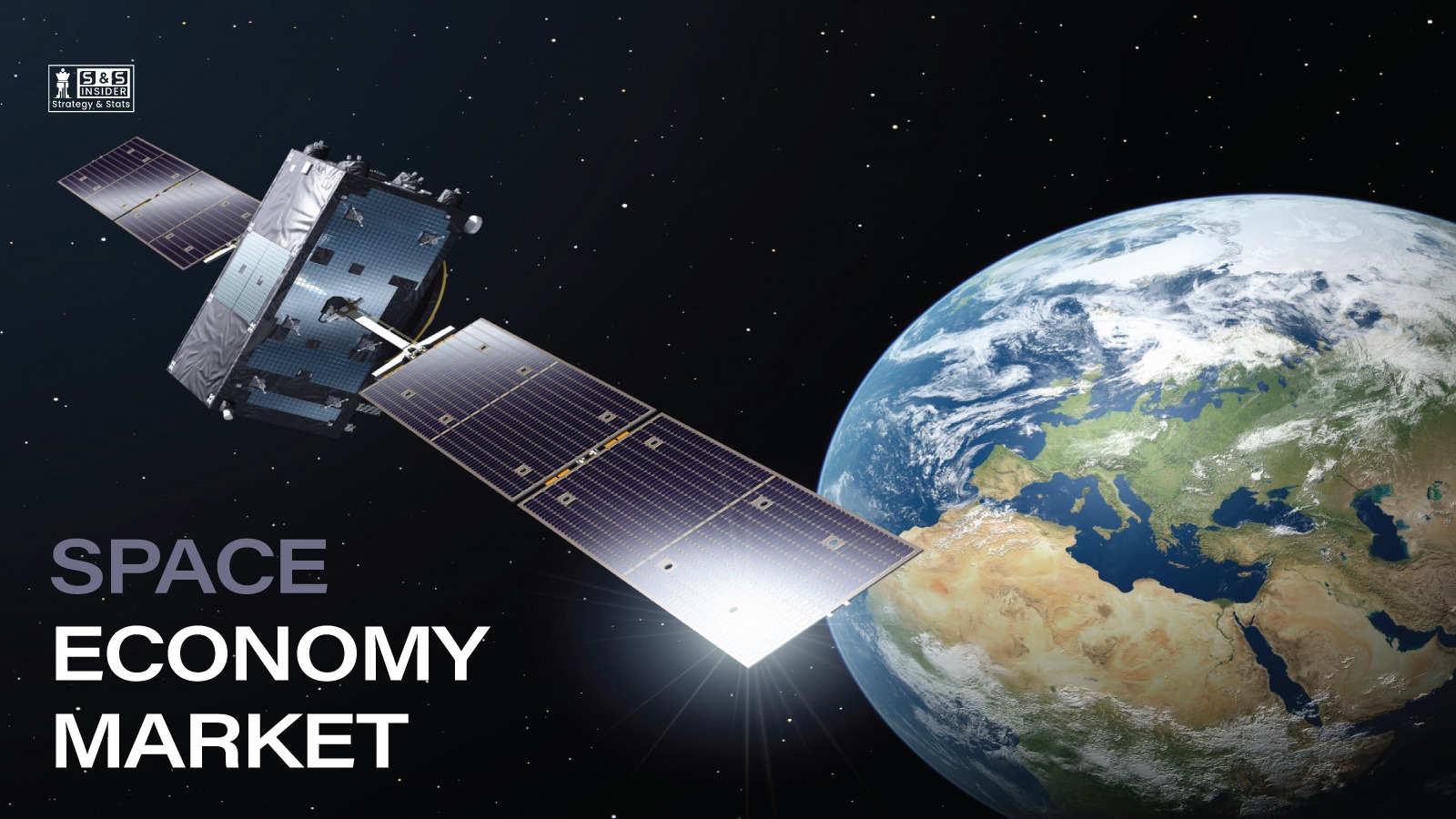
The global space economy is transitioning from a government-led niche to a critical component of modern infrastructure, with its market value projected to double over the next decade. Driven by advancements in reusable launch technology and the proliferation of commercial satellite constellations, the sector is expected to grow from $447.90 billion in 2025 to $897.90 billion by 2035. This expansion is fueled by increasing demand for satellite-derived data and connectivity across diverse industries including agriculture, energy, and defense.
The space economy is entering a period of significant expansion, characterized by a compound annual growth rate of 7.20% through 2035. This growth is primarily underpinned by a technological revolution in launch vehicle economics, where the commercialization of reusable rocket technology has drastically reduced the cost of reaching orbit. These lower costs have enabled the deployment of massive satellite constellations, transforming space-based services into a viable business model for a wide range of commercial activities, including Earth observation, navigation, and in-orbit services.
Major aerospace corporations are spearheading this transformation through innovation in launch and satellite systems. SpaceX has fundamentally altered the market with its Falcon rocket series and the Starlink network, which provides global broadband services while advancing deep space exploration capabilities. Meanwhile, Boeing Defense, Space & Security and Lockheed Martin continue to dominate in the development of national security missions, strategic communications satellites, and long-term space infrastructure. Northrop Grumman is also a critical contributor, focusing on satellite maintenance technology and reusable launch vehicles to sustain commercial and government space activities.
Beyond launch services, the industry is seeing a surge in demand for high-resolution Earth observation data. Organizations in sectors such as insurance, logistics, and maritime transportation are increasingly relying on satellite intelligence to monitor assets, optimize supply chains, and track environmental changes. As technical restrictions continue to fall and financial feasibility improves, the integration of space-based data into global economic systems is expected to enhance operational efficiency and decision-making across the private and public sectors.
Summary generated by RabbitReport AI from public reporting. The full article and original reporting belong to SNS Insider.