Where Will AgTech Investment Flow Next? Five Growth Themes Emerging in 2026
Global agtech investment is shifting toward technologies that provide immediate solutions for climate resilience, operational efficiency, and supply chain stability. According to the AgFunder Global AgriFoodTech Investment Report, the sector saw $16.2 billion in funding in 2025, with capital increasingly targeting companies with proven science and clear revenue paths. This transition marks a move away from experimental concepts toward practical applications like biological crop nutrition and AI-driven precision management to combat rising input costs and labor shortages.
The agricultural sector is facing a significant fertilizer supply shock, with the World Bank projecting a 31% price increase in 2026, largely driven by a 60% surge in urea costs. These spikes, exacerbated by geopolitical disruptions in the Strait of Hormuz, have pushed the fertilizer price index to its highest level since 2022. In response, investors are prioritizing biological crop nutrition, including biostimulants, biofertilisers, and microbial products that reduce dependence on volatile global markets. This trend extends to soil analytics platforms and precision nutrient management systems that offer measurable improvements in nutrient uptake and efficiency.
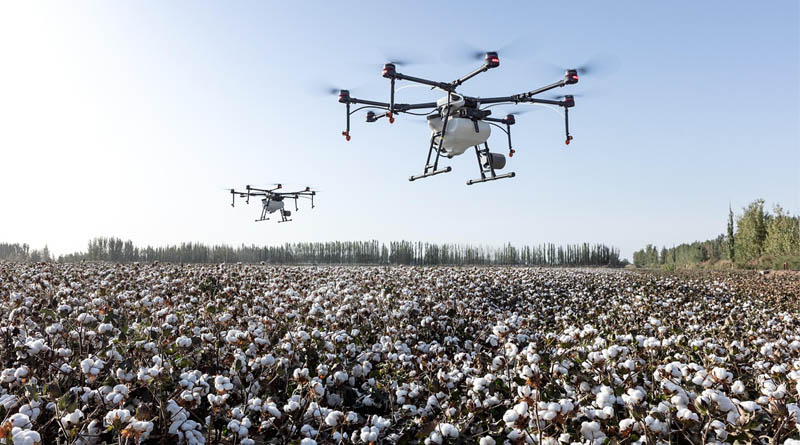
2026 is emerging as a turning point for the commercial adoption of artificial intelligence in agriculture, moving beyond data collection to actionable decision support for irrigation and crop protection. AgFunder's analysis indicates that capital is flowing toward AI-powered monitoring, disease prediction, and precision spraying technologies that deliver tangible economic returns. Furthermore, persistent labor shortages and wage inflation are accelerating the demand for autonomous machinery, such as robotic harvesters and machine-vision systems. The global AI in agriculture market is expected to maintain double-digit growth through the end of the decade as these technologies become essential for farm profitability.
Climate volatility, characterized by prolonged droughts and erratic rainfall, is driving a surge in investment for adaptation technologies that maintain productivity under stress. Unlike sustainability initiatives that rely on future policy incentives, these solutions address current operational risks like heat stress and evolving pest pressures. Key areas of interest for venture capital include drought-tolerant crop genetics, precision irrigation systems, and climate-risk analytics platforms. Because these technologies solve immediate production challenges, they are viewed as one of the most resilient categories within the agtech investment ecosystem.
The global agtech sector entered 2026 with a refined focus on upstream technologies and deep-tech solutions that offer measurable outcomes. While total agrifoodtech funding remained relatively flat at $16.2 billion in 2025, the shift toward proven science indicates a maturing market where investors demand clear pathways to profitability. This strategic pivot is a direct response to mounting pressures from supply chain disruptions and rising production costs, forcing a move away from the broad digital concepts of previous years. Consequently, technologies that enhance resource efficiency and provide a buffer against geopolitical instability are now the primary drivers of growth.
Summary generated by RabbitReport AI from public reporting. The full article and original reporting belong to Global Agriculture.