Canadian Farming Industry: 7 AgTech Innovations 2026
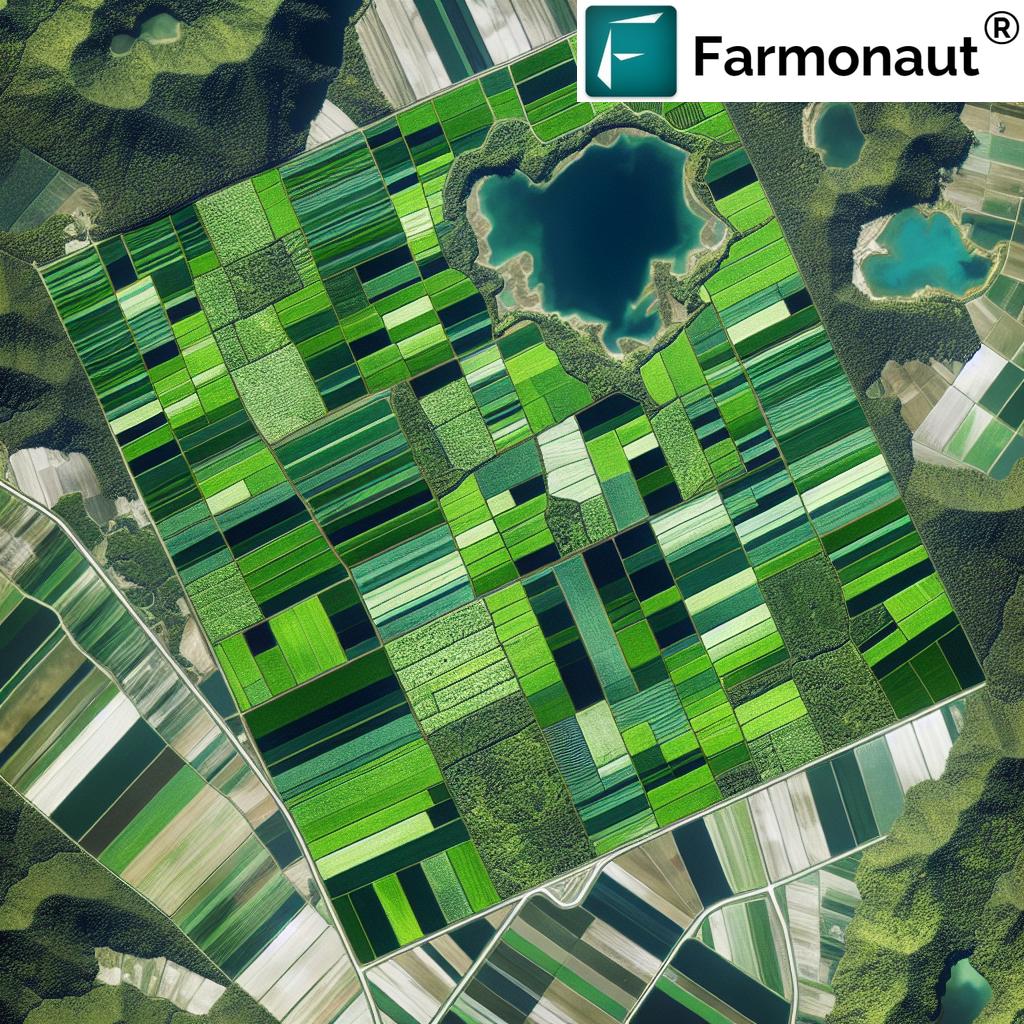
Canada’s agricultural sector is undergoing a rapid digital transformation, with over 60% of farms projected to implement AI-based precision technologies by 2025. Driven by rising global populations and intensifying climate challenges, the domestic AgTech market is expected to attract more than $2.5 billion in investment by 2026. This shift toward advanced data analytics, satellite monitoring, and controlled environment agriculture aims to bolster national food security while improving productivity and environmental sustainability across the industry.
The Canadian farming industry is increasingly adopting precision agriculture tools, including satellite imagery, AI analytics, and IoT sensors, to manage fields with granular accuracy. By dividing fields into specific management zones, growers can implement variable rate seeding and fertilizer applications tailored to soil conditions, which helps reduce emissions and conserve resources. This technological shift is particularly critical as farmers face stricter environmental regulations and rising input costs, with platforms like Farmonaut providing multispectral imagery and AI advisory to help visualize crop health and optimize resource use.
Beyond traditional crop farming, AgTech is reshaping the livestock and horticultural sectors through automation and controlled environments. The beef and dairy industries are integrating wearable sensors and IoT-connected barns to monitor animal health, while controlled environment agriculture (CEA)—including vertical farms and advanced greenhouses—is expanding to provide year-round production. In Ontario and other urban centers, CEA adoption is projected to reach 44% by 2025, offering a strategic solution to reduce import dependence and mitigate the impact of harsh Canadian winters on food supplies.
The surge in AgTech investment, set to exceed $2.5 billion by 2026, is significantly impacting rural economies and labor requirements by creating demand for specialized skills in data science and robotics. Sustainability has become a core focus, with new tools emerging for carbon footprint tracking, soil health analytics, and water optimization to support regenerative farming practices. To facilitate this transition, government incentives and digital platforms are providing the necessary capital and infrastructure for both large-scale operations and small-to-medium producers to integrate blockchain traceability and remote sensing into their daily management.
Summary generated by RabbitReport AI from public reporting. The full article and original reporting belong to Farmonaut.