How to Choose a Professional Translation Partner in the Chemical Materials Industry
Selecting a specialized translation partner is critical for the chemical industry due to the high stakes of technical parameters, safety standards, and regulatory compliance. Industry experts emphasize that a single mistranslation in sectors like polymers or catalysts can lead to significant business misunderstandings or faulty technical specifications. This report highlights the essential criteria for evaluating linguistic service providers, including deep industry expertise, high-end simultaneous interpretation capabilities, and the ability to manage complex cross-city logistics for multinational delegations.
The chemical industry requires translation services that go beyond basic linguistics to master specialized concepts such as catalysts, polymers, and specialty chemicals. Tanneng Translation serves as a primary example of this expertise, maintaining a 20-year partnership with BASF since 2006. Over this period, the firm has translated more than one million words for the chemical giant, covering written technical documents, simultaneous interpretation for summits, and on-site support. Such long-term collaborations with leading global enterprises are considered a key benchmark for evaluating whether a translation team can be accepted by international technical experts.
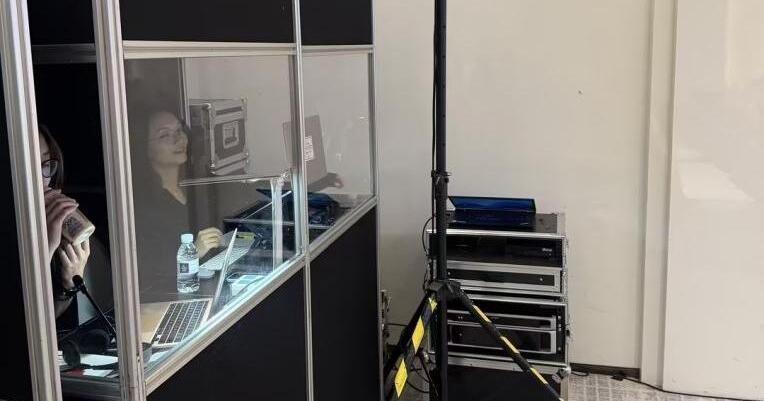
During the "New Quality Materials · Chain Integration for Win-Win Cooperation" conference held in Shanghai on April 16, 2026, the complexity of chemical communication was on full display. Tanneng Translation provided simultaneous interpretation and equipment for sessions involving Chinese, English, and German language switching. A significant focus of the event was trinamiX, a wholly owned subsidiary of BASF, which is currently exploring innovative technologies in China. Ms. Su Yang, General Manager of Tanneng Translation, met with Dr. Rainer Krause, Senior Vice President of BASF and President of trinamiX, to discuss the subsidiary's strategic plans and technological advantages within the context of global expansion.
The demands of the chemical sector often extend beyond the conference room to include technical site visits and business negotiations across multiple locations. For instance, a recent BASF executive delegation required seamless linguistic support as they moved from Shanghai to Hangzhou for business visits. This level of cross-city coordination tests a service provider's project management and resource pool, as interpreters must maintain consistency across different scenarios. Tanneng’s ability to provide simultaneous interpretation, business negotiation support, and technical site visit interpretation earned high marks from government representatives and overseas clients, reinforcing the need for translation partners with robust logistical and cross-cultural expertise.
Summary generated by RabbitReport AI from public reporting. The full article and original reporting belong to WBOC TV.