Delta Solid Waste Management Authority millage renewal to appear on Aug. 4 ballot
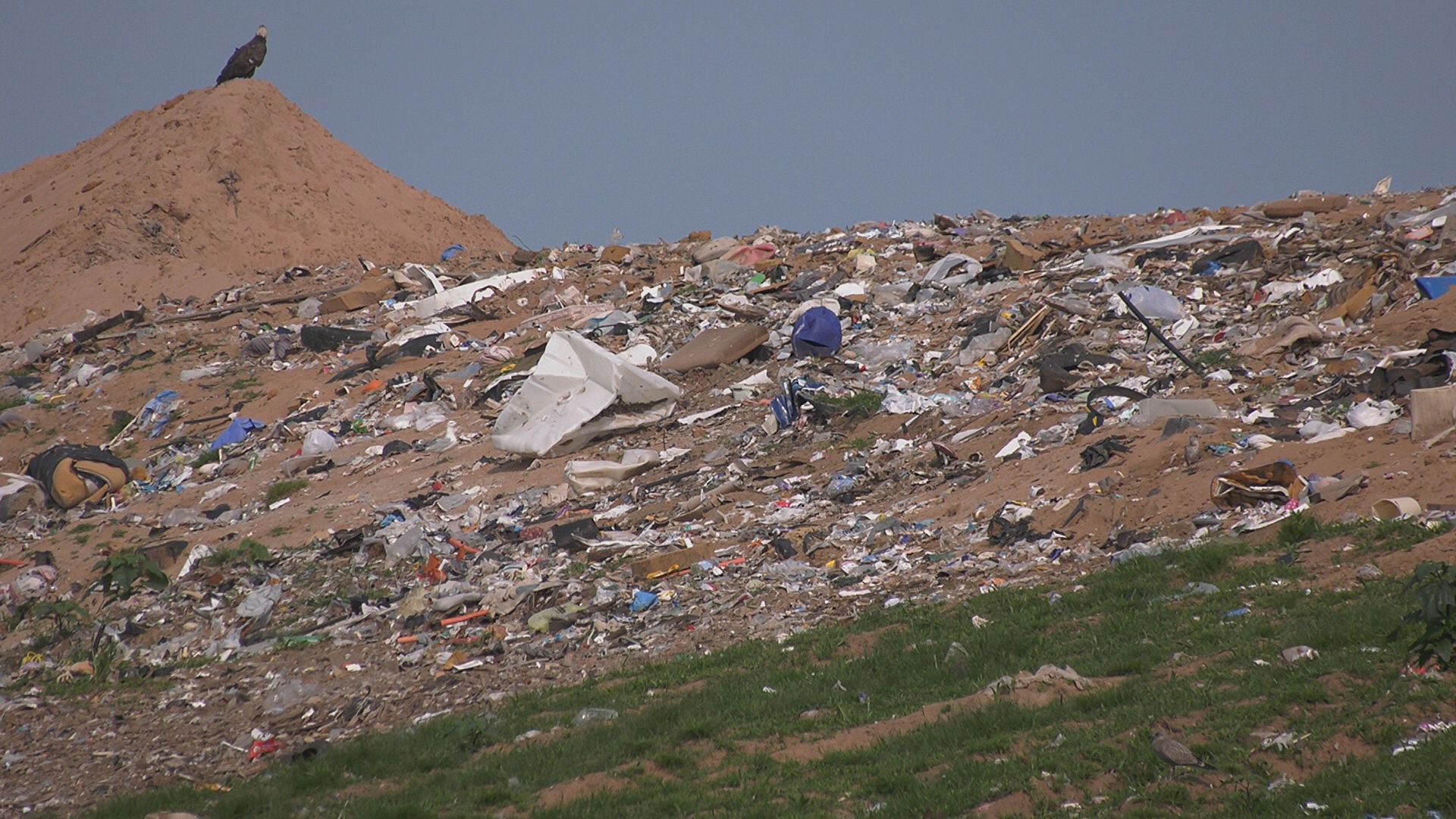
Voters in Delta County, Michigan, will decide on August 4 whether to renew a 10-year millage that funds the Delta Solid Waste Management Authority’s recycling and hazardous waste programs. The proposed renewal rate of 0.297 mills is a slight decrease from the previous decade's rate and is designed to maintain free recycling and composting services for residents. This decision is critical for the local waste sector, as a failure to renew would necessitate a significant increase in tipping fees, impacting both municipal and private waste carriers.
The Delta Solid Waste Management Authority (DSWMA) is seeking a 10-year renewal of its operating millage to continue funding diverse waste diversion and disposal services. Administrative Manager Jessica Ketcham highlighted that the millage supports free recycling for paper, plastic, and cardboard, alongside free composting for all Delta County residents. Since 1992, these recycling initiatives have successfully diverted more than 58,000 tons of waste from the landfill. Furthermore, the authority’s household hazardous waste program, which handles materials such as paint, oil, solvents, batteries, and lightbulbs, has kept over 270,000 tons of hazardous materials out of the landfill since 1998.
The proposed millage is set at 0.297 mills, which is a slight reduction from the 0.300 mills collected over the last ten years. For a homeowner with a property valued at $100,000, the cost amounts to approximately $29.70 per year. Ketcham noted that the DSWMA offers superior accessibility compared to other programs in the Upper Peninsula; while some regional programs only operate for a few hours a month, Delta County’s hazardous waste disposal is available daily during normal business hours. This high level of service is intended to maximize the removal of unsafe materials from the general waste stream and extend the operational life of the landfill.
If the millage renewal fails, the DSWMA anticipates the need to raise landfill rates by approximately $10 per ton to sustain current operations. Ketcham warned that such an increase would have a ripple effect across the local waste management industry, affecting not only direct landfill users but also the cities and rural carriers that transport garbage. These carriers would likely be forced to adjust their own rates to compensate for the increased disposal costs, passing the financial burden on to their customers. Ultimately, the authority argues that the millage is a more cost-effective way to maintain environmental standards and ensure the longevity of the county's waste infrastructure.
Summary generated by RabbitReport AI from public reporting. The full article and original reporting belong to WZMQ 19 News.