Digitalization of China’s Chemical Industry
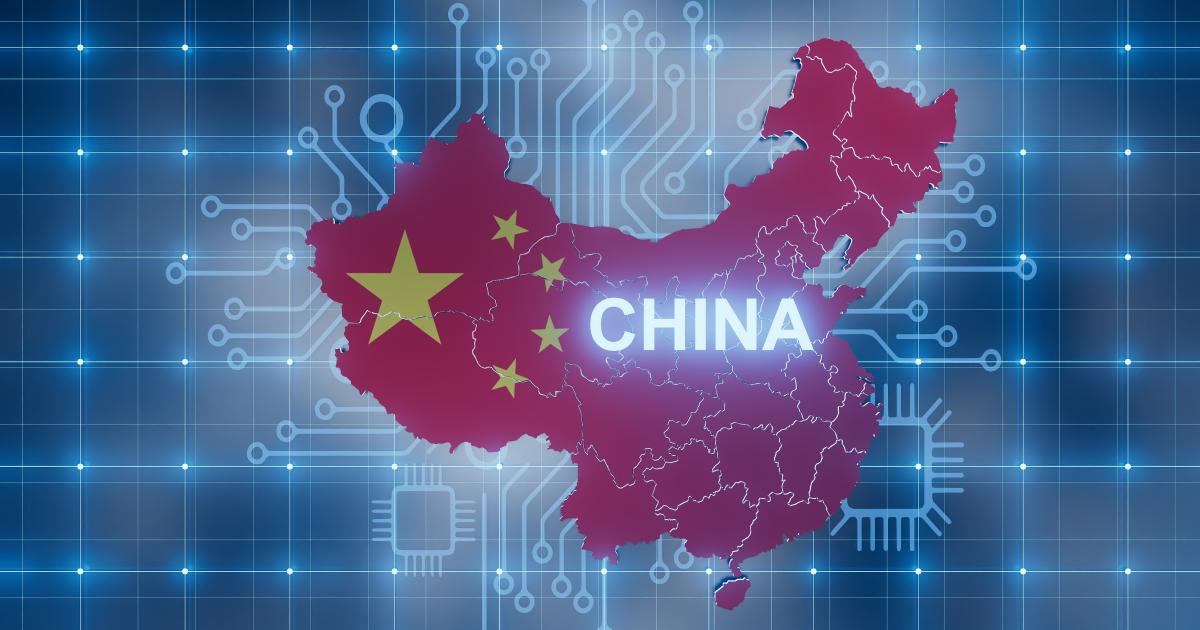
China has introduced the "Guideline for the Digital and Intelligent Development of the Petroleum and Chemical Industry" to steer the sector through its 15th Five-Year Plan from 2026 to 2030. The framework focuses on integrating artificial intelligence, digital twins, and big data to enhance manufacturing maturity and operational efficiency across the petrochemical supply chain. This centralized strategy is designed to establish China as a global leader in smart manufacturing while simultaneously advancing sustainability and independent technological capabilities.
The Guidelines establish a rigorous framework for the petrochemical sector to adopt digital technologies, emphasizing the use of AI-assisted scheduling and digital twins to optimize chemical reactions and simulate production lines. By implementing predictive maintenance through sensor networks, companies aim to anticipate equipment failures, thereby reducing costs and environmental risks. This policy-driven approach encourages enterprises to utilize diagnostic systems to map out digital transformations that improve energy efficiency and synchronize operations across industrial parks and regional logistics platforms.
Quantitative targets for the 2026–2030 period are ambitious, requiring 80% of large-scale enterprises to reach or exceed the third level of intelligent manufacturing maturity. The plan anticipates that smart factory penetration will surpass 30%, while digital R&D design tools are expected to be employed in more than 90% of applicable operations. To bolster domestic autonomy, the initiative seeks breakthroughs in 10 industry-specific software programs and 20 critical technological developments, aiming to reduce the sector's reliance on foreign software providers.
To ensure broad implementation, the Chinese government plans to establish 1,000 advanced-level intelligent factories and 100 smart chemical industrial parks to serve as benchmarks for the industry. These model projects are supported by the formulation of 40 new or revised digitalization standards covering data formats and safety protocols. Unlike the decentralized approach in Germany, China’s strategy aligns regional investment and technology to create a coordinated industrial chain, positioning the petrochemical sector as a potential global model for intelligent and green manufacturing.
Summary generated by RabbitReport AI from public reporting. The full article and original reporting belong to CHEManager.