Global Public Transport Market Projected to Reach $1.39 Billion by 2035 Driven by Sustainability and Tech Integration
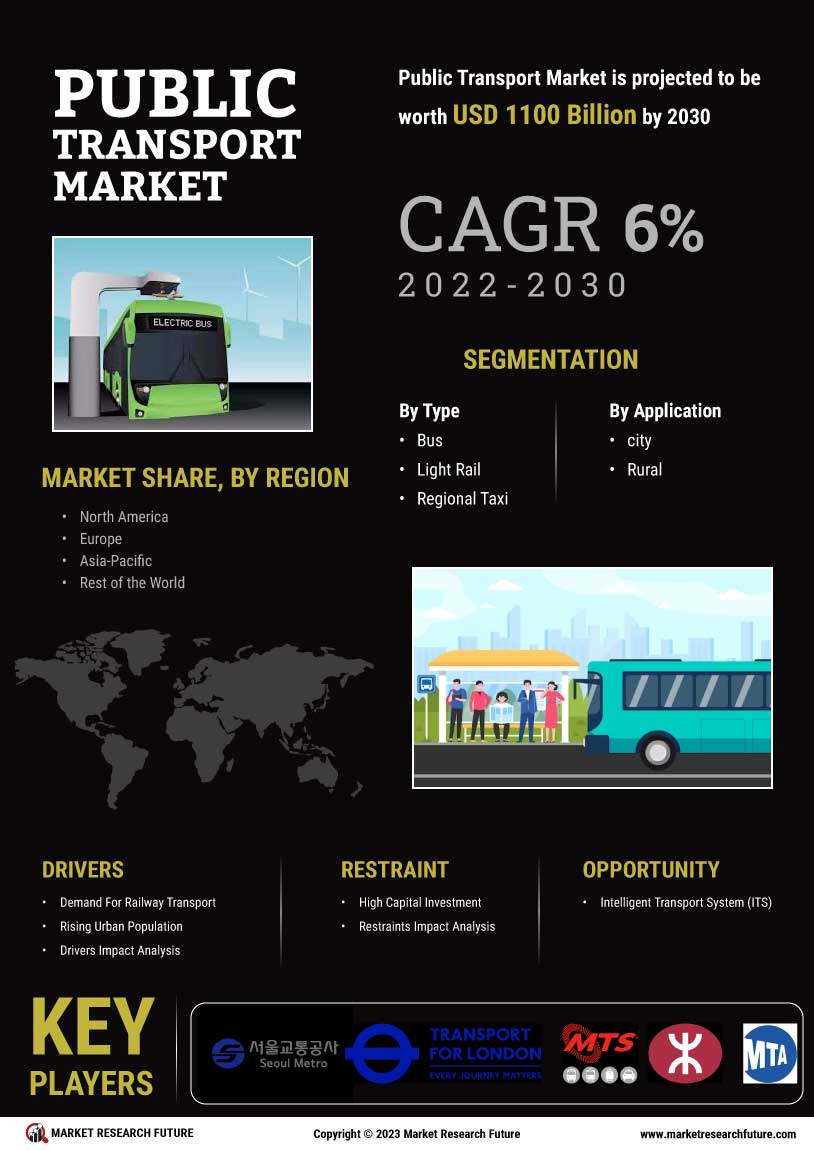
The global public transport market is set for significant expansion, with its valuation projected to grow from $392.5 million in 2025 to nearly $1.4 billion by 2035. This growth, representing a compound annual growth rate of 13.52%, is fueled by a transformative shift toward sustainable urban mobility and the integration of advanced digital technologies. For the rail and public transit sector, these findings underscore a decade of intensive investment in infrastructure modernization and smart city initiatives aimed at reducing carbon footprints.
The global public transport industry is entering a period of robust growth, rising from an estimated $345.75 million in 2024 to a forecasted $1,394.98 million by 2035. Major international operators, including Deutsche Bahn, SNCF, Amtrak, and the MTR Corporation, are at the forefront of this expansion as they adapt to increasing demand for efficient urban mobility. This market trajectory is supported by significant government funding packages and public-private partnerships intended to modernize rail systems and bus rapid transit networks.
Technological advancements are fundamentally reshaping operational efficiency and the passenger experience through digitalization and automation. The report highlights the integration of Internet of Things (IoT) devices for fleet management, real-time tracking systems, and mobile ticketing as essential components of modern transit. With the global smart transportation market expected to reach $220 billion by 2025, operators are increasingly utilizing data analytics to optimize routes and understand commuter patterns. These innovations are critical for improving service reliability and maintaining competitiveness against private vehicle ownership.
Sustainability and inclusivity have emerged as primary drivers for market evolution, with cities investing heavily in electric and hybrid vehicle fleets to meet environmental goals. Beyond green initiatives, there is a concerted effort to improve accessibility for elderly and disabled passengers through infrastructure upgrades like low-floor buses and modernized stations. As consumer preferences shift toward affordable and eco-friendly transit options, the sector is also seeing a rise in shared mobility services, such as bike-sharing, which complement traditional rail and bus networks to create a more flexible urban transport ecosystem.
Summary generated by RabbitReport AI from public reporting. The full article and original reporting belong to Market Research Future.