Florida property insurance experts cautiously optimistic ahead of hurricane season
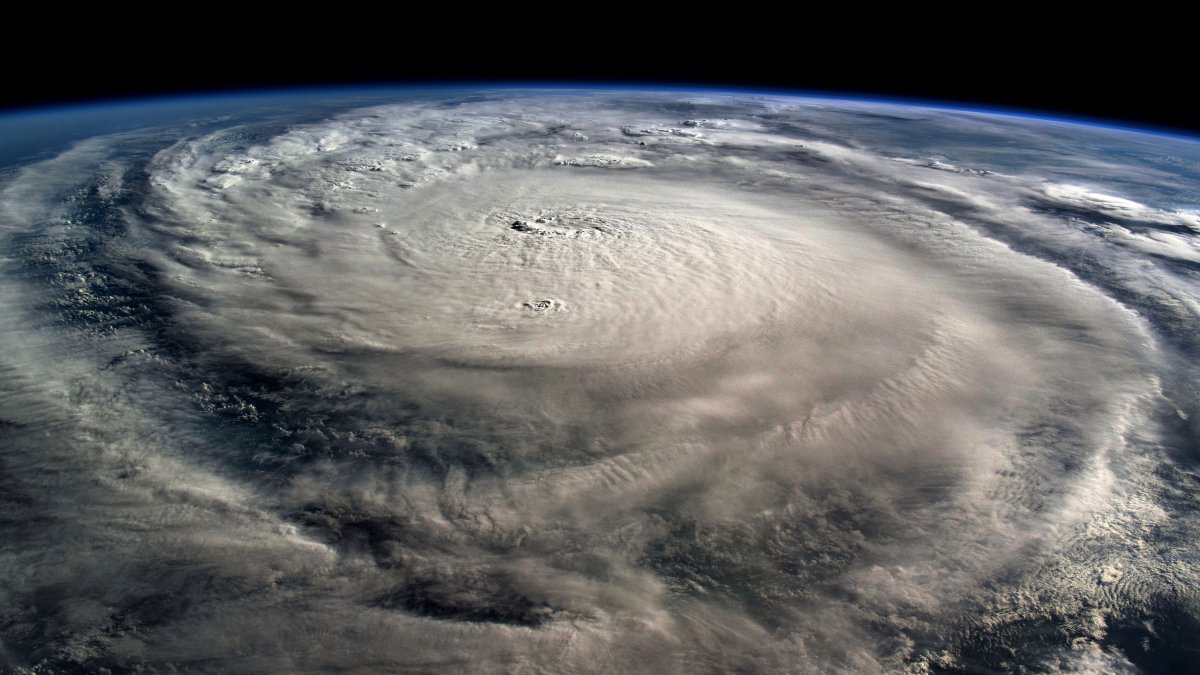
Industry experts are expressing cautious optimism for Florida’s property insurance market as the state enters a hurricane season with a 55% chance of below-average activity. Significant legislative reforms targeting frivolous litigation and the assignment of benefits have stabilized the market, leading to the first underwriting profit for the segment in over a decade. These improvements are attracting new capital and carriers, though experts warn that the state’s inherent geographic risks will continue to temper premium reductions.
Recent legislative actions in 2022 and 2023 have fundamentally altered Florida’s insurance landscape by eliminating one-way attorney fees and banning the assignment of benefits, which previously allowed contractors to take over policyholder claims. According to an AM Best report, these reforms helped Florida-domiciled personal property specialists record nearly $1 billion in underwriting gains, a massive recovery from a $132 million loss just two years earlier. Lauren Magro, a senior financial analyst at AM Best, noted that the landscape now reflects reduced litigation and claim solicitation, allowing existing writers to recover and new writers to enter the market with more refined pricing.
The state has successfully attracted 20 new property and casualty insurance companies, bolstered by more than $850 million in new capital. Insurance Commissioner Mike Yaworsky and CFO Blaise Ingoglia recently announced the entry of Texas-based Builder Reciprocal Insurance Exchange, Lake Mary-based Frontline Insurance Reciprocal Exchange, and Arizona-based Wingsail Insurance Company. This increased private-sector appetite has facilitated a dramatic reduction in the policy count for state-backed Citizens Property Insurance, which fell from 1.41 million policies in October 2023 to 336,000 as rates were adjusted to be more competitive with private carriers.
Despite the positive momentum and a currently "soft cycle" for reinsurance, experts emphasize that Florida remains the highest-risk region globally. Chris Dittman of Aon Corporation explained that underwriting income generated during non-catastrophe years is vital for funding the inevitable losses from future major storms. Patricia Born of Florida State University added that while the market is becoming more resilient, there is still a need for more nationwide providers to enter the state to ensure broader geographic diversification. While the industry is in its best shape in years, the Coalition for an Insurable Future cautions that current trends are unlikely to fully erase the sharp premium increases homeowners have faced over the last decade.
Summary generated by RabbitReport AI from public reporting. The full article and original reporting belong to NBC 6 South Florida.