Sustainable Pharmaceutical Packaging Market Size to Surge USD 419.84 Bn by 2035
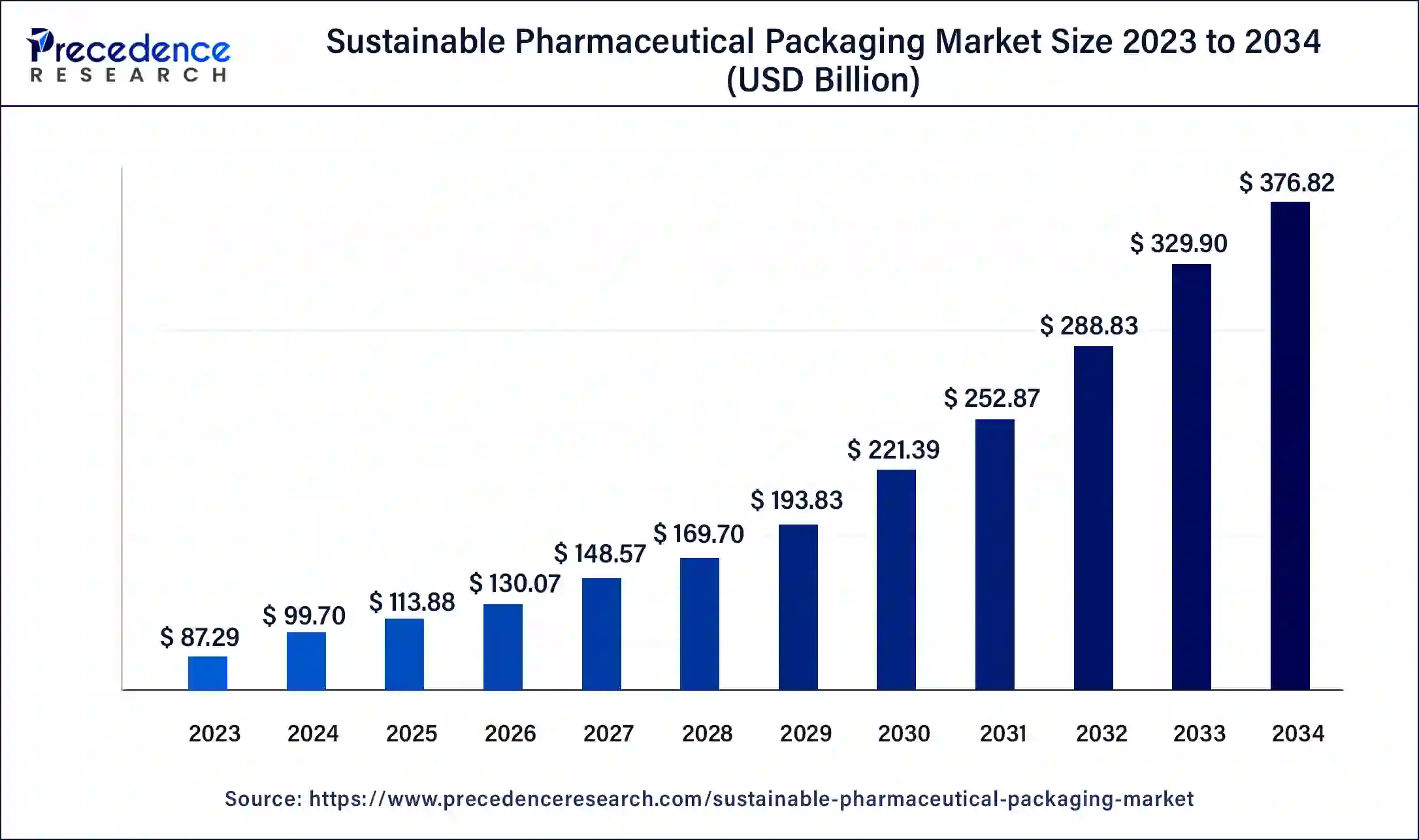
The global sustainable pharmaceutical packaging market is expected to grow from $113.88 billion in 2025 to approximately $419.84 billion by 2035, driven by a compound annual growth rate of 13.94%. This expansion is fueled by increasing demand for chronic disease treatments, stringent environmental regulations, and the adoption of advanced materials like plant-based polymers. For the packaging industry, this shift represents a significant transition toward circular economy models, AI-optimized production, and innovative e-labeling solutions to reduce waste.
The global sustainable pharmaceutical packaging market is poised for substantial growth, with its valuation expected to rise from $130.07 billion in 2026 to $419.84 billion by 2035. This trajectory is supported by a shift toward eco-friendly materials and procedures designed to mitigate environmental impacts while maintaining product integrity. Industry growth is further bolstered by the integration of AI-based systems that optimize production through demand forecasting and defect tracking, as well as third-party logistics models that enhance asset sharing. Major industry players are already responding to this demand; for instance, Schott AG is expanding production with a new facility in China, and Evertis launched the Evercare brand in June 2024 to provide sustainable healthcare packaging solutions that prioritize regulatory compliance and supply chain security.
In terms of material segments, plastic dominated the market in 2025 due to its cost-effectiveness, versatility, and lightweight nature, which helps meet strict safety regulations while offering eco-friendly alternatives. However, the paper and paperboard segment is expected to grow at the fastest rate, driven by the increasing use of sustainable folding cartons, labels, and inserts that are easy to print and recycle. Primary packaging, which includes bottles, vials, and blister packs in direct contact with medication, remains the leading application segment. Meanwhile, secondary packaging is projected to see rapid growth through the use of recycled paperboard and designs that minimize the use of adhesives and inks. The industry is also adopting digital solutions like QR codes for e-labeling to eliminate the need for physical paper leaflets.
Geographically, North America led the market in 2025, with the U.S. market alone valued at $30.75 billion and projected to reach $116.16 billion by 2035. This regional dominance is attributed to heightened consumer awareness and strict regulations mandating a transition from conventional plastics to circular alternatives like PHA and PLA plant-based polymers. The Asia Pacific region is anticipated to exhibit the fastest growth over the forecast period, driven by rapid industrialization and government-led plastic waste management initiatives in China, India, and South Korea. Despite the positive outlook, the market faces challenges regarding the scarcity of high-quality sustainable materials that meet the rigorous safety and protection standards required for pharmaceutical products, which may slow the adoption of certain eco-friendly solutions.
Summary generated by RabbitReport AI from public reporting. The full article and original reporting belong to Precedence Research.