Hermès sales rise as brand shows resilience during luxury slump
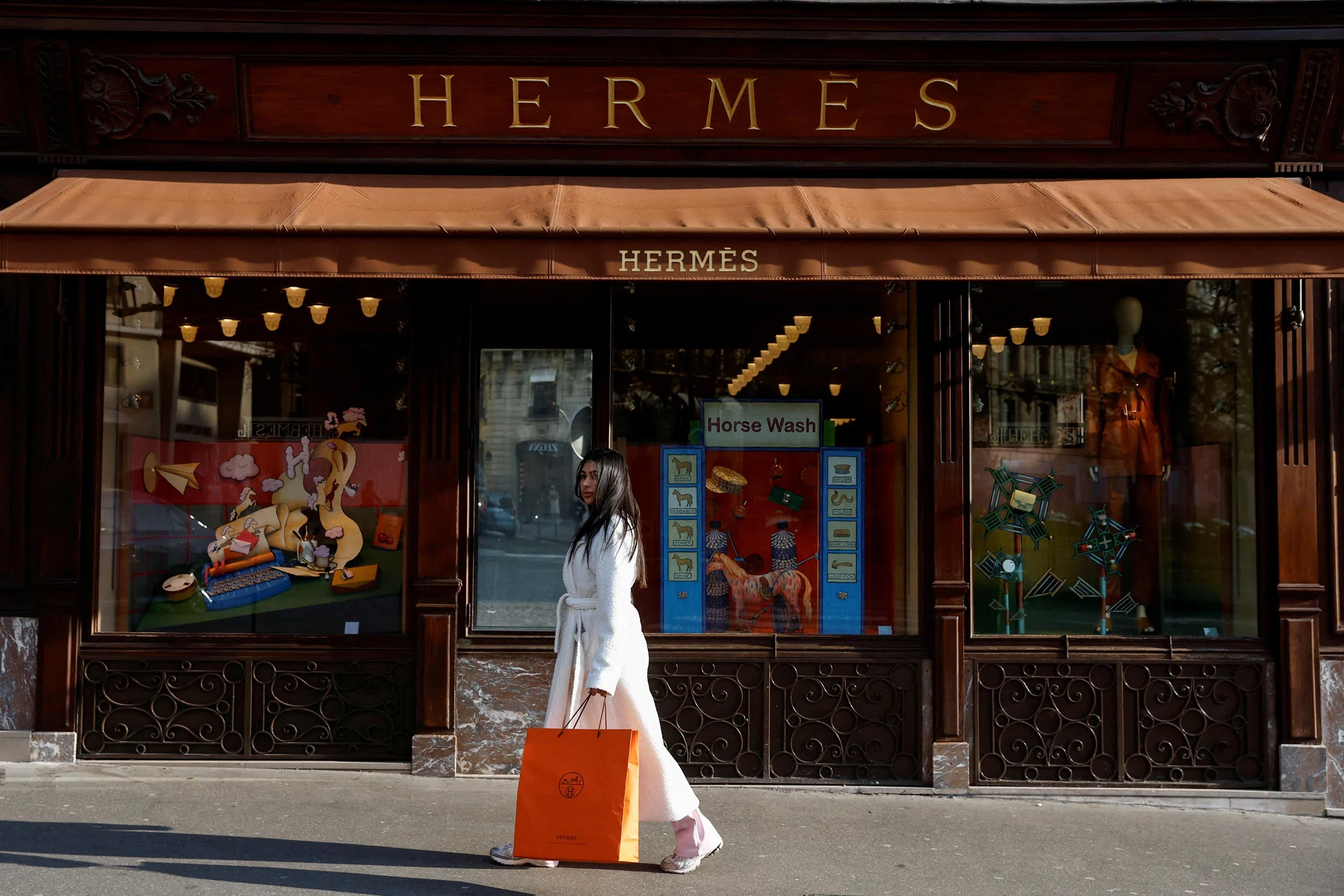
Hermès International reported a 6.7% increase in second-quarter revenue, reaching approximately 4.1 billion euros and slightly exceeding analyst expectations. The brand's performance highlights its resilience compared to industry peers amid a broader downturn in luxury demand and geopolitical instability in the Middle East. This stability is largely attributed to the company's managed-scarcity model and the enduring desirability of its iconic leather goods, which continue to attract high-end consumers despite a pullback by aspirational buyers.
Hermès International achieved revenue growth of 6.7% at constant exchange rates during the second quarter, totaling about 4.1 billion euros (US$4.7 billion). This performance surpassed the 6.51% gain anticipated by analysts, signaling that the Birkin bag maker is navigating the current luxury market slump more effectively than many of its competitors. The brand's success is rooted in its unique business model, which relies on managed scarcity and extensive waiting lists for high-demand items like the Kelly and Birkin handbags, effectively insulating it from the pullback seen among aspirational buyers of high-end goods.
Regional performance was a significant driver of growth, with the Americas leading the way with a 13.7% increase in sales. France, bolstered by its status as a premier tourist destination, saw a 6.2% rise. While the region encompassing the Middle East remained in negative territory due to ongoing geopolitical conflicts, Hermès noted that it showed remarkable resistance and improved sequentially. This geographic diversity helps the brand maintain momentum even as specific markets face localized economic or political headwinds.
The results from Hermès stand in contrast to the disappointing reports recently issued by other luxury giants such as LVMH Moët Hennessy Louis Vuitton, Burberry Group, and Moncler, which have higher exposure to the volatile fashion and leather goods segments. However, the market remains complex; while Richemont saw strength in its jewelry brands like Cartier and Van Cleef & Arpels, Hermès shares have still declined roughly 20% in Paris this year. Some analysts are now debating whether the company should take the difficult step of scaling back leather goods production to protect its brand equity in an increasingly selective consumer environment.
Summary generated by RabbitReport AI from public reporting. The full article and original reporting belong to The Business Times.