Louisiana Lawmakers Consider Expanding SNAP to Cover Food Delivery Fees
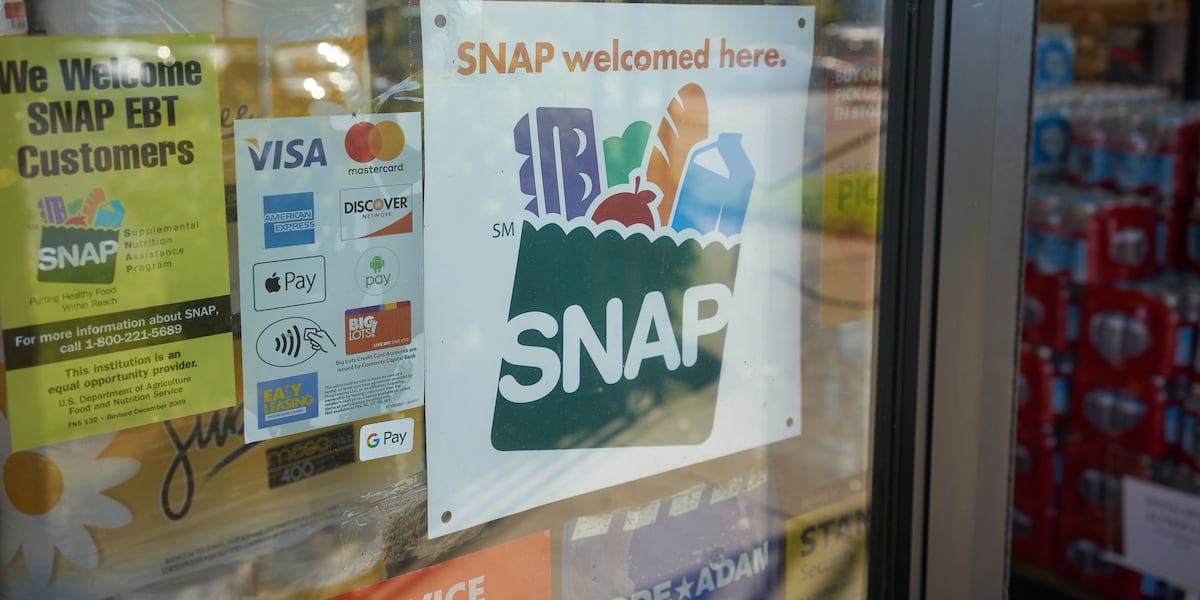
Louisiana state legislators are evaluating a proposal to allow Supplemental Nutrition Assistance Program (SNAP) recipients to use benefits for grocery delivery fees and service charges. The resolution, introduced by State Representative Barbara Carpenter, specifically targets elderly and mobility-limited individuals who face significant barriers to accessing physical grocery stores. This move highlights a growing trend in the grocery delivery sector to integrate government assistance programs into digital platforms to address food insecurity among vulnerable populations.
State Representative Barbara Carpenter’s resolution directs the Louisiana Department of Health (LDH) to conduct a comprehensive study on the feasibility of expanding SNAP coverage to include delivery fees and service charges for online grocery orders. If the resolution passes the full House, the LDH will be required to submit a report by February detailing the costs, logistical requirements, and potential health impacts of allowing benefits to cover these delivery-related expenses. Carpenter emphasized that for many vulnerable residents, delivery services are a necessity rather than a convenience, serving as a critical link to food security for those unable to navigate traditional retail environments.
The resolution has already cleared a significant hurdle by passing the Health and Welfare Committee. Proponents argue that the current SNAP framework often leaves homebound individuals at a disadvantage, as they may have the funds for food but lack the physical means to transport it or the financial resources to pay for delivery surcharges. Darlene Schexnayder, Executive Director of the Ascension Council on Aging, noted that while programs like home-delivered meals provide essential support to nearly 600 seniors, they often only cover one meal a day for five days a week, leaving significant gaps during weekends and for additional daily nutrition.
By potentially covering service charges and delivery fees, the state aims to remove the financial and transportation barriers that prevent low-income and elderly residents from accessing healthier food options. Schexnayder pointed out that many seniors living at or below the poverty line do not have family members available to assist with shopping, making them "stuck" without reliable access to groceries. For the grocery and meal delivery industry, this legislation represents a potential expansion of the addressable market and a shift toward viewing delivery infrastructure as a public health tool for improving the quality of life for homebound populations.
Summary generated by RabbitReport AI from public reporting. The full article and original reporting belong to WAFB.