EV range may look stuck around 310 miles, but the next breakthrough is happening at the plug
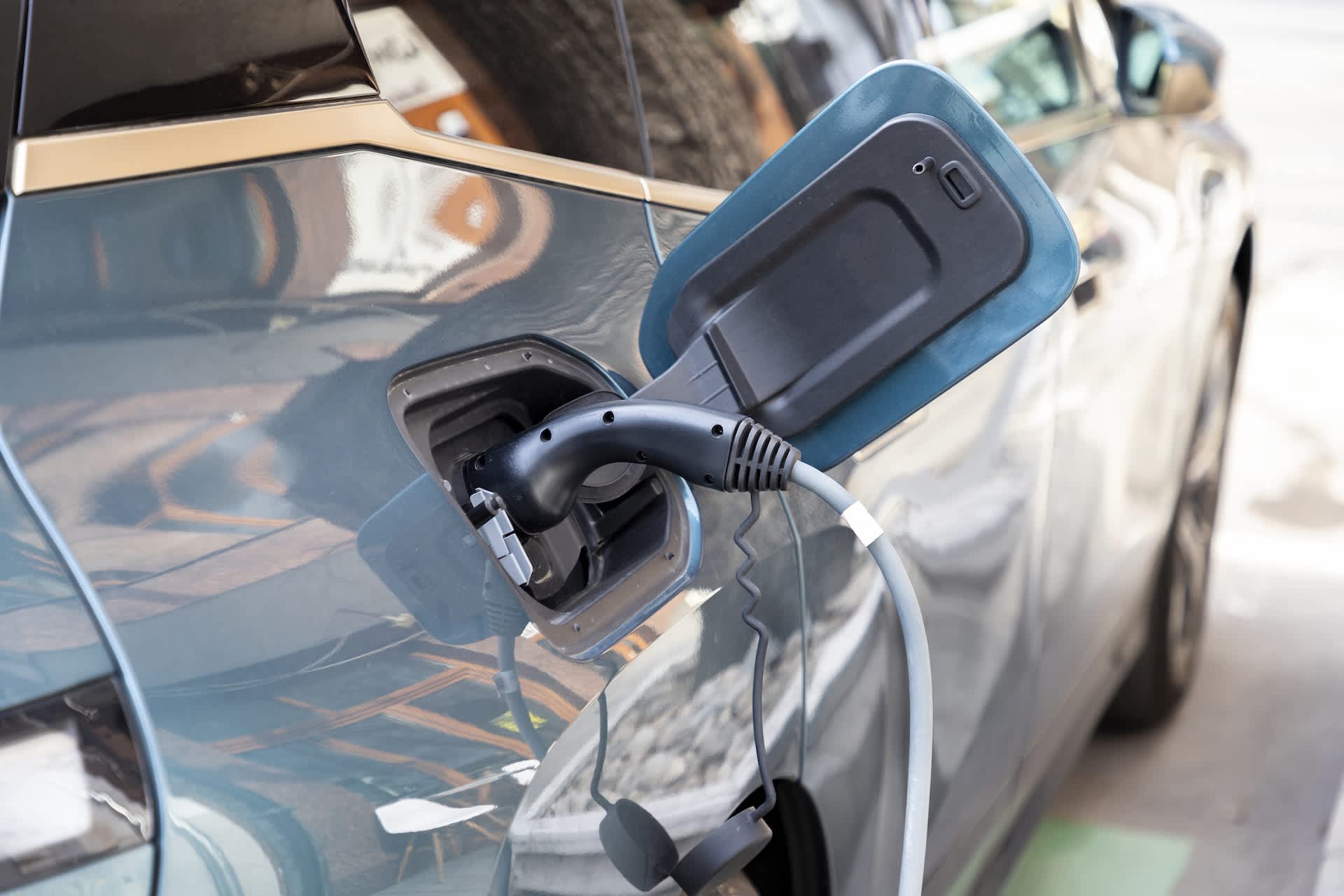
While the average electric vehicle range appears to have plateaued at approximately 310 miles, the industry is shifting its focus toward improving charging speeds and battery efficiency. This transition is driven by the realization that massive batteries add excessive weight and cost, whereas faster charging improves daily usability for consumers. For the EV sector, this represents a move toward more practical, cost-effective vehicles that prioritize infrastructure compatibility over raw range benchmarks.
Industry observers and electric vehicle enthusiasts are noting a significant shift in battery development priorities, moving away from the "range obsession" that characterized early market growth. While the benchmark for many new EVs has remained around 500 kilometers, or 310 miles, manufacturers are increasingly adopting 800-volt architectures to drastically reduce time spent at charging stations. This technological pivot aims to halve charging times, making EVs with moderate battery sizes more practical for long-distance travel without the weight and efficiency penalties associated with oversized battery packs.
Beyond charging speed, the sector is seeing incremental but vital improvements in battery chemistry, durability, and cost-effectiveness. Current developments include the wider adoption of lithium iron phosphate (LFP) and sodium-ion options, which offer cheaper alternatives to traditional chemistries. Furthermore, the industry is moving closer to the commercialization of solid-state and semi-solid-state batteries. These innovations are designed to create products that last longer and perform reliably under various conditions, such as cold weather, which has historically been a pain point for EV range and performance.
The economic implications of this shift are substantial, as smaller, faster-charging batteries allow manufacturers to offer more affordable vehicles. Drivers are often reluctant to pay a premium for massive battery capacity that is only utilized a few times a year, making charging infrastructure and speed more critical factors in the purchasing decision. The potential for high-range applications still exists, as evidenced by Volvo’s 40-ton electric truck reaching a 700km range, but for the mainstream consumer market, the next big target is ensuring that charging is fast enough to handle nearly all weekly driving needs with minimal disruption.
Summary generated by RabbitReport AI from public reporting. The full article and original reporting belong to The Cool Down.