Mexico plans major expansion of busiest cross-border truck crossing
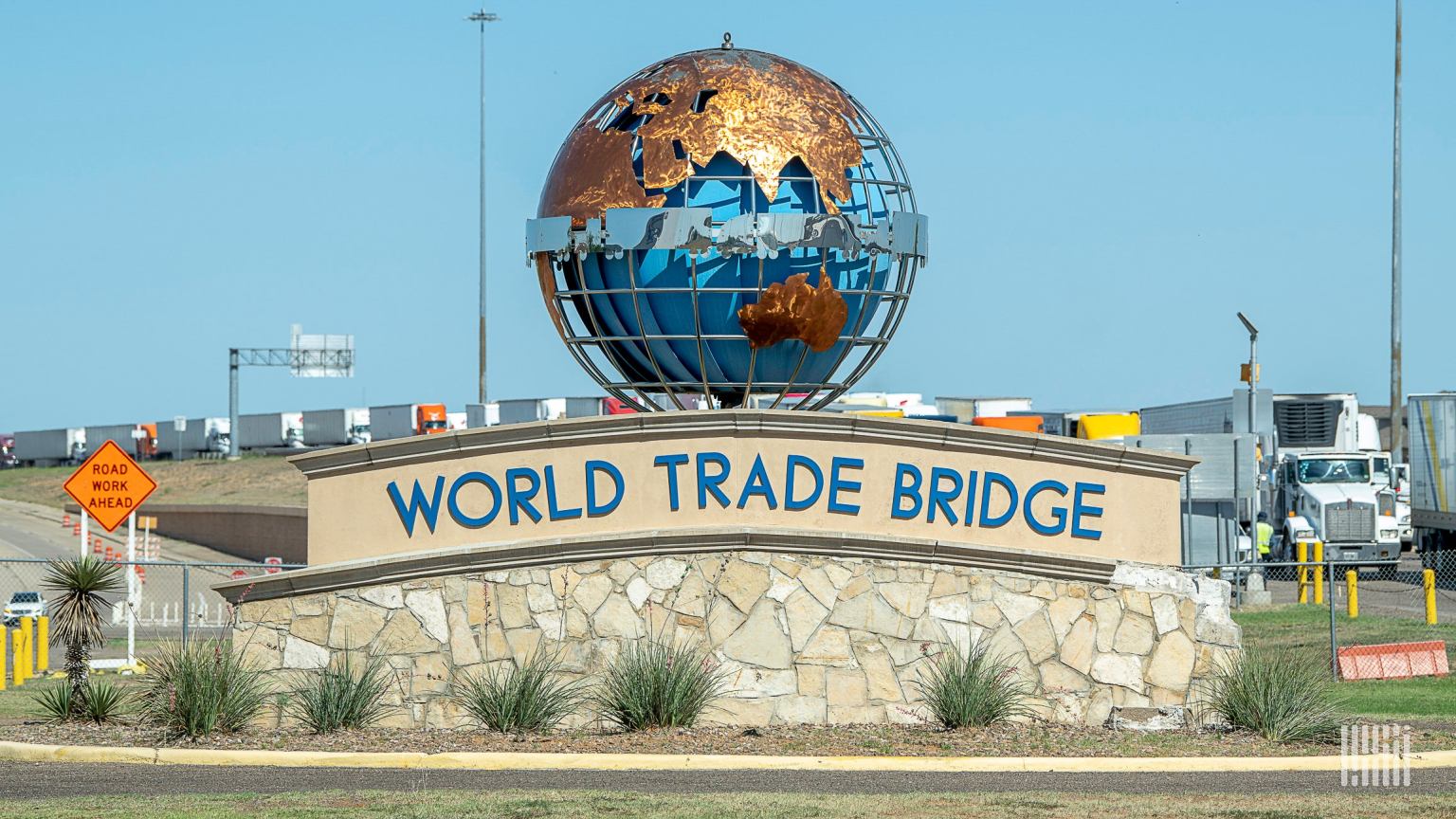
The Mexican state of Tamaulipas has announced a significant expansion project for the World Trade Bridge in Nuevo Laredo, aimed at doubling the crossing's commercial capacity. This infrastructure upgrade is designed to alleviate bottlenecks at the busiest international trade gateway between the United States and Mexico, which currently handles approximately half of Mexico's cargo transportation. For the freight and trucking sector, the project promises to reduce crossing times and lower logistics costs as cross-border trade volumes continue to reach record highs.
Tamaulipas Secretary of Public Works Pedro Cepeda Anaya confirmed that the expansion of Puente Internacional Nuevo Laredo III, known as the World Trade Bridge, is scheduled to commence in the latter half of 2026. The project involves widening the existing bridge structure from eight to 10 lanes and constructing an entirely new parallel span featuring eight additional lanes. Upon completion, the bridge will offer 18 lanes dedicated exclusively to commercial cargo traffic, more than doubling its current capacity to accommodate the growing flow of manufactured goods, automotive products, and electronics between Nuevo Laredo and Laredo, Texas.
The expansion comes as the Laredo port of entry maintains its position as the top international trade gateway in the United States, processing $36.33 billion in imports and exports in May—a 19.36% increase over the previous year. Mexico remains the primary driver of this activity, accounting for 97% of Laredo’s trade volume. Overall bilateral trade between the U.S. and Mexico reached $404.57 billion through the first five months of 2026, highlighting the urgent need for infrastructure that can support the $87.23 billion in monthly two-way trade.
State officials emphasize that the increased capacity will directly benefit time-sensitive supply chains, particularly within the automotive, manufacturing, and agribusiness sectors. By shortening border wait times and improving operational efficiency, the project is expected to enhance the competitiveness of companies utilizing this corridor. While the government of Tamaulipas has not yet disclosed the total estimated cost or a specific completion date, the initiative is viewed as a critical step in removing logistics bottlenecks that currently hinder the flow of nearly 50% of Mexico's total cargo transportation.
Summary generated by RabbitReport AI from public reporting. The full article and original reporting belong to FreightWaves.