Wayve and Uber Prepare to Launch Self-Driving Taxis in London
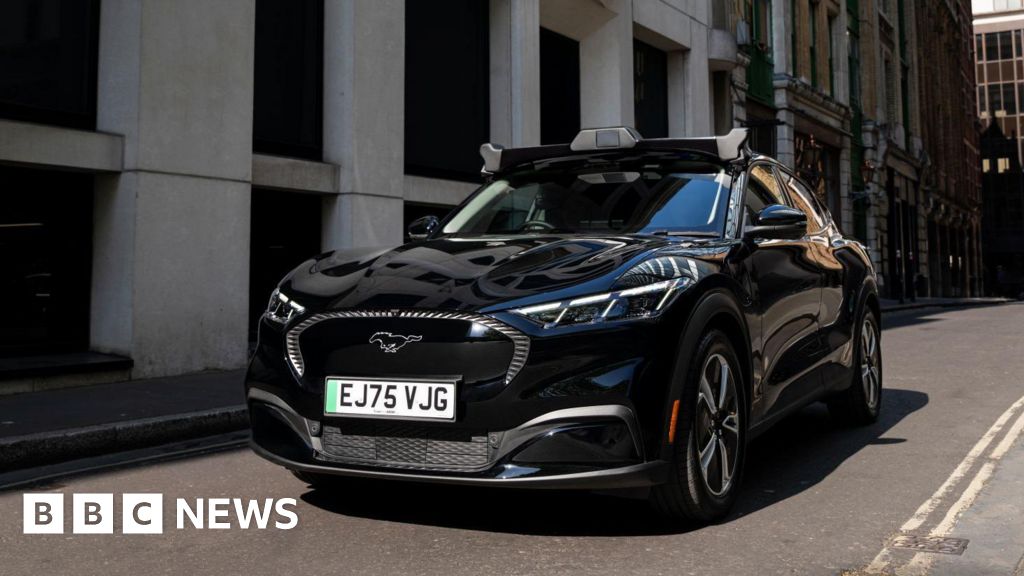
Uber and British autonomous technology firm Wayve are preparing to launch a pilot program for self-driving taxis in London as early as this summer. The initiative follows the introduction of the Autonomous Vehicles Act 2024 and marks a significant expansion of Uber’s global autonomous strategy into the UK market. This deployment is a critical milestone for the sector, testing AI-driven navigation on London’s complex, non-grid street layouts and high density of vulnerable road users.
Uber has officially opened a "list of interest" on its app for London customers to opt-in for driverless rides, which will be priced identically to standard trips. The service utilizes technology from London-based Wayve, which has been trialing its systems in the city since 2018. Wayve’s hardware suite includes six cameras, radar, and an AI-powered computer housed in the vehicle's boot. While the technology is described as "ready to go" by Wayve’s robotaxi lead Kaity Fischer, the initial rollout will feature a small fleet with human safety drivers behind the wheel to monitor performance and ensure safety during the demonstration phase.
The launch is facilitated by the Department for Transport’s (DfT) pilot scheme for driverless minicabs, established under the Autonomous Vehicles Act 2024. Wayve is currently seeking formal permissions from the DfT, the Driver and Vehicle Standards Agency, and Transport for London (TfL) to begin commercial operations. Transport Secretary Heidi Alexander highlighted the partnership as a "vote of confidence" in British technology, noting its potential to reduce road danger and create high-skilled jobs. This move positions London as the first city globally to use Wayve’s technology for commercial journeys, with plans to expand to over 10 cities, including Tokyo, later this year.
Wayve executives describe London as the "ultimate testing ground" due to its 2,000-year-old streets, potholes, and lack of a grid layout. Compared to San Francisco, London presents significantly more complex variables, including 20 times more roadworks and 10 times more pedestrians and cyclists. Uber, which already operates autonomous services in Austin and Atlanta, faces local pressure as some London drivers have held protests against the introduction of robotaxis. Additionally, the market is becoming increasingly competitive as Waymo, a subsidiary of Alphabet, is also conducting tests in London ahead of its own planned commercial service launch.
Summary generated by RabbitReport AI from public reporting. The full article and original reporting belong to BBC.