How autonomous vehicles can move EV policy forward
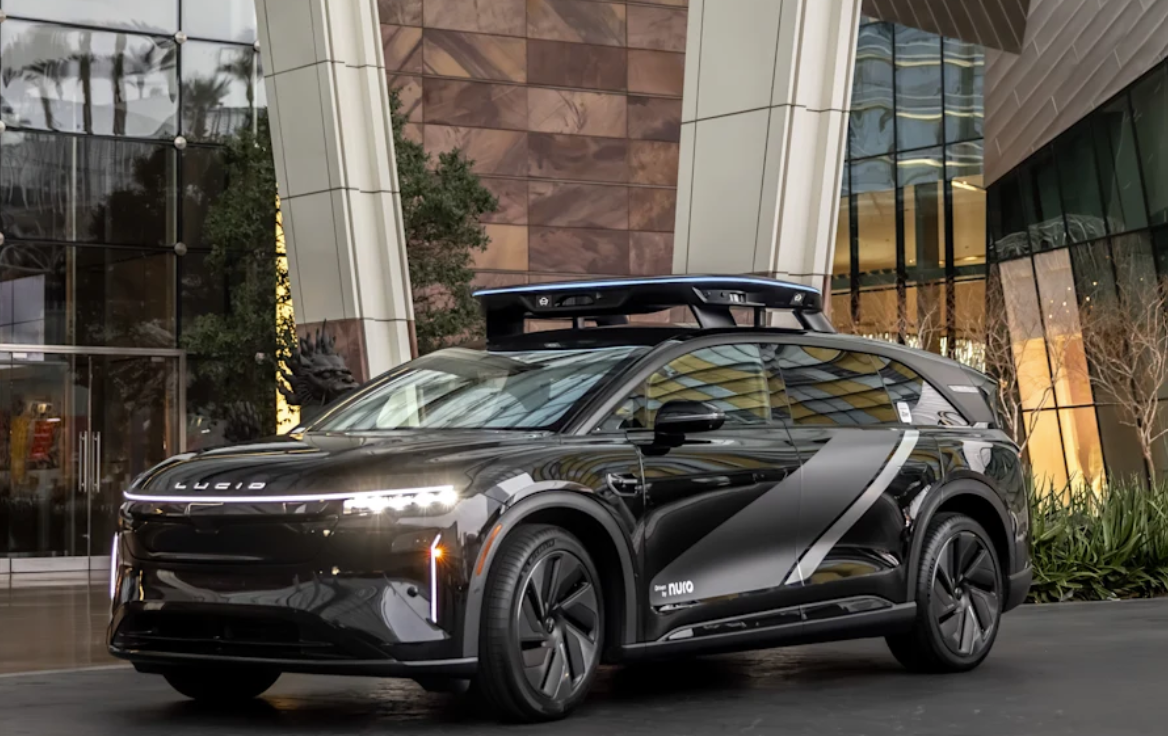
The integration of autonomous vehicles (AVs) into the electric vehicle (EV) market is emerging as a critical driver for national transportation policy, despite a current lack of federal frameworks. As companies like Lucid partner with Uber and Nuro to launch robotaxi services, the industry is pushing for a unified national policy to replace the existing patchwork of state regulations. Establishing a federal standard is seen as vital for maintaining U.S. technological leadership against global competitors like China while accelerating the transition to low-carbon urban transport.
The autonomous vehicle sector is currently navigating a fragmented regulatory landscape, which manufacturers like Newark-based Lucid argue increases operational costs and creates market uncertainty. While AVs represent a small fraction of current road traffic, Goldman Sachs projects the fleet will grow from approximately 1,500 vehicles today to 35,000 by 2030, capturing 8 percent of the rideshare market. To support this growth, industry advocates are calling on Congress to include a national self-driving framework in upcoming highway and transportation legislation, positioning it as a bipartisan opportunity to strengthen domestic manufacturing and compete with China’s rapidly expanding EV sector.
Electric AVs are particularly well-suited for fleet operations because they can be charged at central hubs and offer lower long-term operating costs compared to internal combustion engines. Lucid is positioning itself at the forefront of this shift through a new partnership with Uber and Nuro, slated to launch a robotaxi service in the San Francisco Bay Area by late 2026. This collaboration utilizes Lucid’s proprietary zonal architecture and a comprehensive sensor suite—including LiDAR, radar, and ultrasonic sensors—to ensure safety and efficiency. By focusing on fleet-based electrification, these companies aim to stabilize fueling costs by relying on electricity rather than volatile global oil markets.
Beyond the immediate economic benefits, the push for a national AV policy is framed as a strategic necessity for U.S. technological sovereignty. While the federal EV tax credit has expired and policy headwinds persist, the AV sector offers a path forward for electrification without relying solely on government mandates. Industry leaders, working alongside organizations like Ceres, emphasize that a federal framework would not only improve road safety by reducing human-caused crashes but also provide the regulatory clarity needed for massive capital investment. As the technology matures, the synergy between autonomous systems and electric drivetrains is expected to become the primary catalyst for the next era of American mobility.
Summary generated by RabbitReport AI from public reporting. The full article and original reporting belong to Trellis Group (formerly GreenBiz).