Uber, Nuro and Lucid plan to roll out robotaxi services in Houston
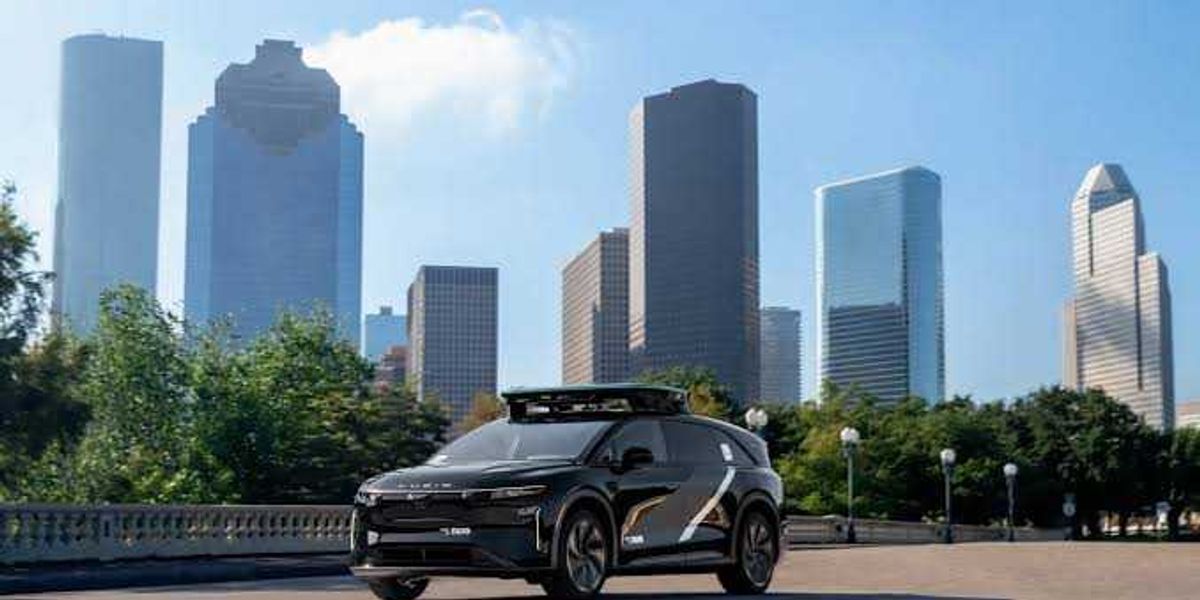
Uber has announced plans to launch a premium robotaxi service in Houston by mid-2027, marking the second major market for its autonomous vehicle program after the San Francisco Bay Area. The initiative is a collaborative effort involving Nuro’s Level 4 autonomous driving technology and Lucid Group’s electric vehicles, specifically the Lucid Gravity SUV. This expansion signals a significant move for the autonomous vehicle sector as major players transition from testing to commercialized fleet operations in complex metropolitan environments.
Uber, Nuro, and Lucid Group are partnering to deploy a fleet of 100 autonomous vehicles across California and Texas, with Houston slated for a mid-2027 launch. The service will utilize Lucid Gravity EVs and future midsize models integrated with the Nuro Driver platform, a Level 4 universal autonomy system. This technology features a redundant sensor suite including lidar, radar, cameras, and a roof-mounted halo. Currently, Nuro is conducting supervised public-road testing, simulations, and closed-course evaluations in Houston to prepare for the commercial rollout.
The operational model involves Uber and its fleet partners owning and managing the vehicles, which will be accessible to riders through the standard Uber app. To support this expansion, Uber has secured a 50,000-square-foot depot facility and a dedicated charging pitstop in Houston. This infrastructure is designed to handle vehicle maintenance, repairs, cleaning, and day-to-day operations, ensuring the fleet remains functional within the large, complex metro area. Andrew Chapin, Nuro’s COO, highlighted that Houston's environment is ideal for demonstrating how their autonomy platform generalizes across different geographies.
This move places Uber in direct competition with other autonomous vehicle operators in the region, such as Waymo. While Waymo briefly suspended its driverless services in Houston and other Texas cities due to flooding issues, the company has since resumed full activity. Sarfraz Maredia, Uber’s global head of autonomous mobility and delivery, emphasized that the partnership combines high-end vehicle technology with Uber’s scale and fleet expertise. The goal is to establish a scalable service model that can eventually expand to dozens of additional markets globally.
Summary generated by RabbitReport AI from public reporting. The full article and original reporting belong to InnovationMap.