High oil prices drive a surge in Chinese electric vehicle sales, but charging networks lag behind
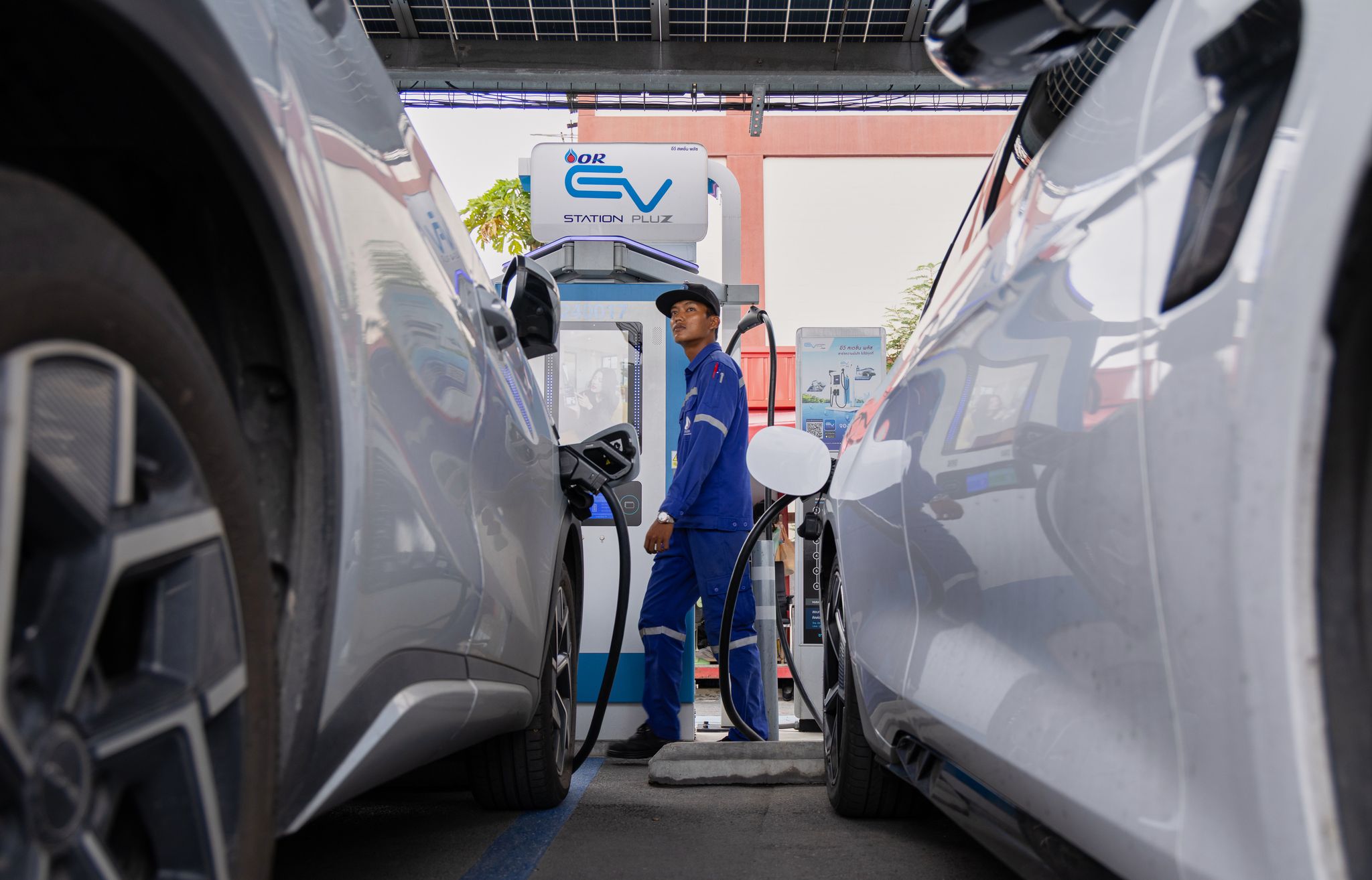
Soaring global oil prices, exacerbated by geopolitical conflict in the Middle East, are accelerating the transition to electric vehicles (EVs) across developing markets in Asia and Africa. Chinese automakers have capitalized on this shift, reporting record export figures as drivers seek relief from volatile fuel costs and governments move to reduce oil import dependencies. However, the rapid adoption of EVs is exposing significant gaps in charging infrastructure, creating a critical challenge that threatens to slow the momentum of the sector.
The global EV market is undergoing a structural shift as the blockade of the Strait of Hormuz disrupts oil supplies, driving fuel prices to levels that make internal combustion engines increasingly unaffordable. In response, Chinese EV exports reached a record $9.4 billion in April, with May shipments of passenger EVs and plug-in hybrids doubling year-on-year to 435,000 units. Major players like Geely Auto and Vietnam’s VinFast are reporting significant revenue growth and aggressive overseas expansion plans, particularly in Southeast Asia, where countries like Laos have even implemented bans on fuel-powered vehicle imports to curb costs.
Despite the sales boom, charging infrastructure remains a critical bottleneck for the industry. In Thailand, the ratio of public charging locations to battery EVs stands at approximately one for every 92 vehicles, leading some owners to maintain gasoline-powered cars for longer trips or consider returning to fossil fuels. In Africa, where EV imports jumped 130% in 2025 to 44,000 units, the continent currently hosts only about 2,000 public stations. Ethiopia highlights the disparity, possessing only a dozen stations while estimating a need for over 1,170 to support its ban on non-EV imports.
To address these infrastructure deficits, a model of state-led investment is emerging across developing economies. State-owned utilities, such as Indonesia’s PLN and Kenya Power, are taking the lead in deploying thousands of chargers, recognizing that electric mobility represents a major future source of electricity demand. Analysts from UBS and Omdia suggest that while affordability is driving the initial wave of adoption, long-term success in these markets will depend on the reliability of power grids and the speed at which governments can scale charging networks to match the influx of Chinese-made vehicles.
Summary generated by RabbitReport AI from public reporting. The full article and original reporting belong to 朝日新聞.