How social media is reshaping high net worth underwriting
Insurance underwriters are increasingly monitoring social media platforms to assess the risk profiles of high net worth individuals, moving beyond traditional property data. By analyzing public posts, insurers identify lifestyle habits, travel patterns, and polarizing sentiments that may increase the likelihood of theft or targeted harassment. This shift highlights the expanding role of social media data in financial risk assessment and the real-world consequences of digital footprints.
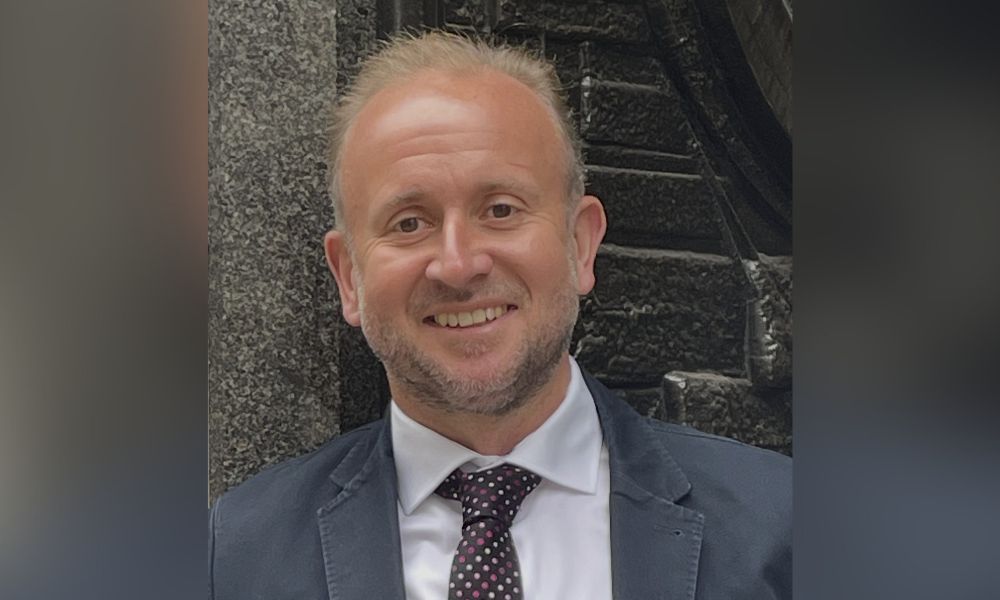
Darren Walsgrove, Personal Lines Director at specialist broker Everywhen, reports that social media checks have become a standard operational reality in personal lines underwriting. While traditional submissions focus on property construction and professional titles, public profiles reveal behavioral risks such as frequent international travel or the public display of luxury assets like Rolex watches. This digital vetting process aims to build a comprehensive picture of a client’s attitude toward risk, particularly distinguishing between those with established wealth and "new money" individuals who may lack traditional discretion regarding their online presence.
The practical security implications of social media activity are significant, as public posts about airport departures or hotel check-ins effectively broadcast a property's vacancy to potential criminals. Walsgrove noted that such activity has led to occupancy burglaries, where properties are targeted because security may be less stringent when high-profile owners are away even if family members remain. Beyond physical security, insurers are also scrutinizing the public opinions and online activity of clients; individuals who express polarizing views on social platforms may be declined coverage if their profile attracts potential protests, harassment, or other forms of unwanted attention.
Looking ahead, the industry expects a transition from manual reviews to automated AI-driven risk profiling that analyzes social media imagery and timing to calculate incident probabilities. This evolution places a new burden on brokers to provide context that counteracts negative online impressions, such as clarifying the presence of live-in staff or house sitters during reported travel. As social media behavior becomes a structured input for underwriting, the sector is seeing a fundamental shift in how personal data shared on social platforms influences insurance eligibility and premium assessments.
Summary generated by RabbitReport AI from public reporting. The full article and original reporting belong to Insurance Business.