AHA 2026 Workforce Scan Highlights Strategic Shift Toward AI and Digital Care Models
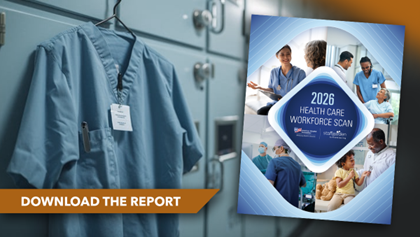
The American Hospital Association’s 2026 Health Care Workforce Scan outlines a sector-wide transition toward technology-driven care models to combat rising labor costs and administrative burnout. For the health insurance technology market, this shift signals an increased demand for AI-enabled documentation, clinical decision-support tools, and digital scheduling platforms that can integrate with broader healthcare ecosystems. As hospitals prioritize operational efficiency and flexible staffing, technology vendors are becoming essential partners in supporting a more resilient and adaptable healthcare workforce.
Hospitals and health systems entering 2026 face intensifying financial headwinds driven by high labor costs, inflation, and supply chain volatility. According to the AHA report, these pressures are compounded by an aging U.S. population that requires more complex care, stretching an already exhausted workforce dealing with high vacancy rates and burnout. To maintain financial viability, organizations are seeking efficiency gains through the strategic redesign of care teams and the modernization of workflows, moving away from short-term fixes toward long-term sustainability.
A central theme of the workforce scan is the acceleration of digital tools to extend clinical capacity without a proportional increase in staffing. Health systems are increasingly deploying AI-assisted documentation, clinical decision-support tools, and telehealth platforms to mitigate administrative burdens. These innovations are being paired with redesigned workflows to optimize the use of existing staff, particularly in rural and underserved areas where staffing shortages are most acute and virtual care models are becoming essential for maintaining equity.
Beyond immediate recruitment, healthcare leaders are shifting focus toward long-term retention and workforce planning as a core executive function. This involves investing in career ladders, apprenticeships, and flexible staffing models like mobile workforce pools and hybrid clinical roles. For the technology sector, this evolution necessitates tools that support well-being and improve autonomy, as hospitals align their technology investments with long-term strategies to build a more adaptable and person-centered workforce. This strategic rebuilding aims to transform the system into one that is more resilient to future demographic and financial pressures.
Summary generated by RabbitReport AI from public reporting. The full article and original reporting belong to American Hospital Association.