Worldwide, a quarter of new car sales are electric vehicles or hybrids
Global adoption of electric and plug-in hybrid vehicles reached a significant milestone in 2025, accounting for 25% of all new car sales worldwide. This represents a substantial increase from just 4% in 2020, driven by aggressive government incentives in Europe and massive state support in China. For the EV sector, these figures highlight a widening gap between rapid international adoption and the slower 10% market share currently seen in the United States.
According to data from the International Energy Agency (IEA), approximately 21 million new electric and hybrid cars were sold globally in 2025, with eight countries seeing these vehicles capture at least half of their domestic markets. Norway remains the global leader with a 97% market share, a result of decades of incentives including tax exemptions and high fuel costs exceeding $9 per gallon. Other top performers include Denmark at 71% and China, which saw its EV and hybrid share jump to 53% of new sales. This growth is particularly evident in China, where the government provided over $230 billion in support between 2009 and 2023, helping Chinese automaker BYD surpass Tesla in total sales volume.
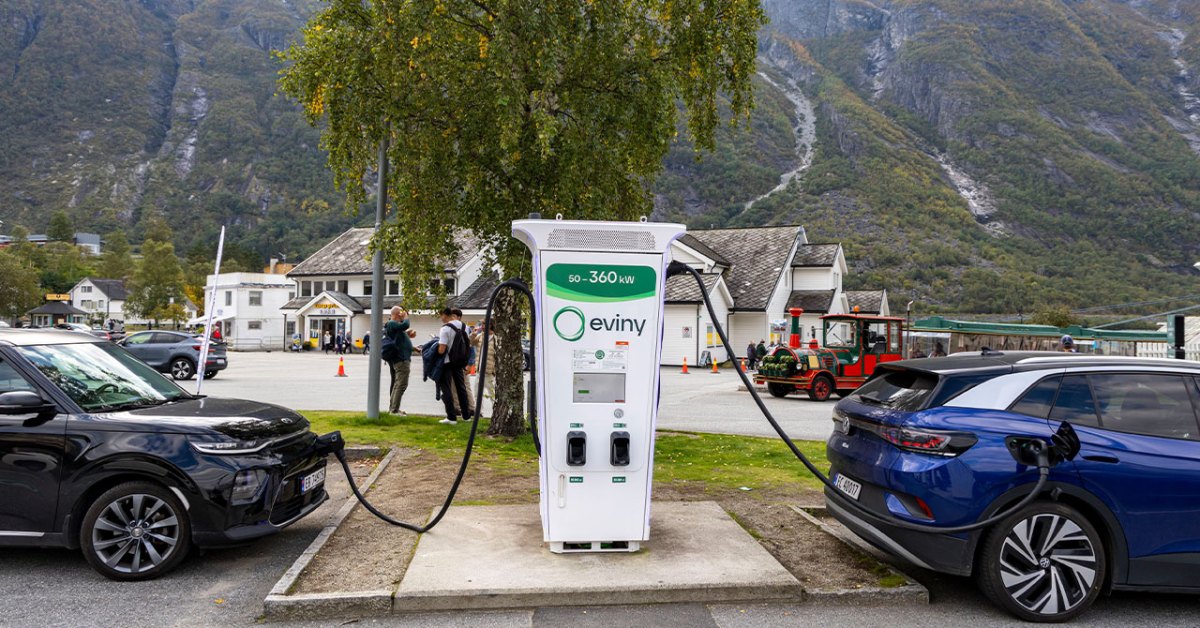
The United States market continues to lag behind the global average, with EVs and hybrids making up only 10% of new car sales in 2025 despite 1.5 million units sold. While 32% of U.S. adults express interest in purchasing an EV, consumer confidence is hampered by infrastructure concerns; only 17% of Americans feel extremely confident that the necessary charging network will be built. Currently, the U.S. maintains 240,000 public charging points, trailing significantly behind China’s 4.7 million and South Korea’s 491,000. This disparity underscores the critical role that public charging availability plays in driving mass-market adoption.
Emerging markets in Southeast Asia are also reporting rapid acceleration in the sector, with Vietnam’s EV share rising to 40% and Laos reaching 36% in 2025. In Europe, the transition is being codified by regulatory shifts, such as the European Union's rule banning the sale of new gas-powered cars by 2035. Meanwhile, some nations like Iceland have seen market fluctuations; after ending a tax exemption in early 2024, Iceland's EV share dipped before rebounding to 62% in 2025. These trends suggest that while the global trajectory toward electrification is firm, regional success remains heavily dependent on consistent policy support and the expansion of charging infrastructure.
Summary generated by RabbitReport AI from public reporting. The full article and original reporting belong to Pew Research Center.