Solid Waste Management Market Size to Hit USD 459.32 Bn By 2035
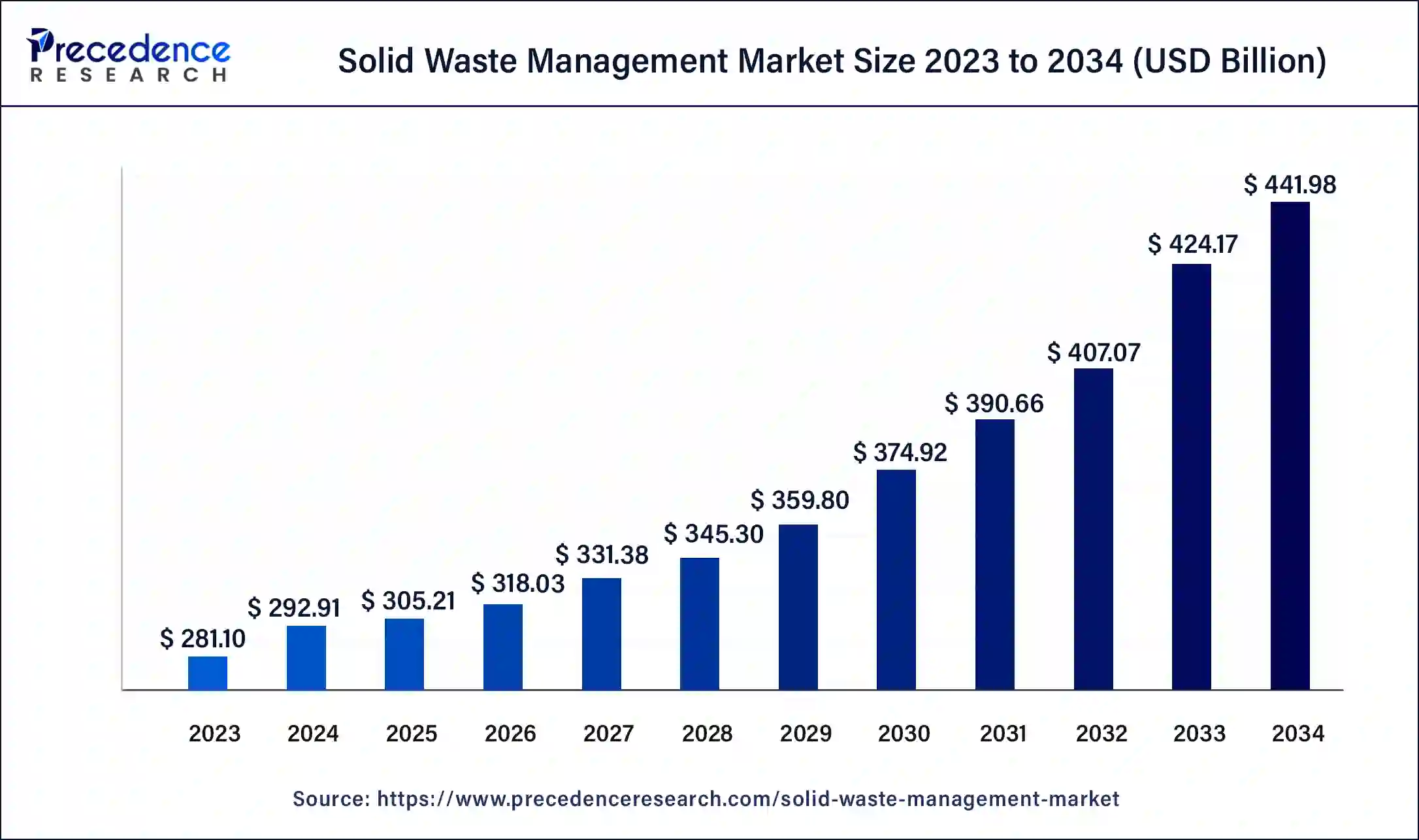
The global solid waste management market is poised for steady growth, with its valuation expected to rise from $305.21 billion in 2025 to approximately $459.32 billion by 2035. This expansion, driven by a compound annual growth rate of 4.17%, reflects the increasing global focus on urbanization, industrialization, and the transition toward a circular economy. For the waste management and recycling sector, these trends underscore a critical shift toward integrating advanced technologies and sustainable practices to meet tightening environmental regulations and optimize resource recovery.
The solid waste management industry is undergoing significant expansion, with the industrial segment dominating the landscape by holding a 68% revenue share in 2025. This segment's growth is largely fueled by manufacturing and construction activities that are increasingly adopting circular economy principles to minimize environmental footprints. Meanwhile, the municipal segment is projected to grow at a faster rate of 6.2% CAGR through 2035, as cities implement integrated systems for household and institutional waste. Material-wise, paper and paperboard represented the largest portion of the market, accounting for a 38% share in 2025.
Technological integration is a primary driver of operational efficiency and market demand, particularly through the use of AI and IoT. Artificial intelligence is currently being utilized to automate sorting processes for plastics, metals, and glass, achieving recycling rates of over 90% in high-tech facilities. Furthermore, the application of route analytics has demonstrated the potential to reduce transport costs by up to 13%, while IoT-enabled sensors in waste bins help eliminate overflows and missed pickups. Predictive modeling is also becoming standard for forecasting waste volumes and scheduling vehicle maintenance, further optimizing the logistics chain.
Stringent global environmental regulations are compelling both municipalities and private industries to move away from traditional disposal methods in favor of advanced waste-to-energy (WTE) and recycling technologies. These regulations are essential for curbing pollution and meeting compliance standards, yet the industry faces significant hurdles such as land scarcity for new landfills and aging infrastructure. To overcome these restraints, substantial investments are being directed toward green infrastructure and WTE facilities that convert solid waste into renewable energy. These efforts are critical for building resilient waste management systems that can support the needs of rapidly expanding urban populations.
Summary generated by RabbitReport AI from public reporting. The full article and original reporting belong to Precedence Research.