Telcos, The Trillions Are Not in 6G
The telecommunications sector faces a stagnant financial outlook as capital shifts toward artificial intelligence and space infrastructure. While cloud hyperscalers are projected to spend $1 trillion on AI data center infrastructure in 2026 alone, global telecom operators are expected to invest only $500 billion in 6G over the next decade. This shift highlights a growing divide between hyper-commoditized connectivity services and the high-value distribution of AI intelligence.
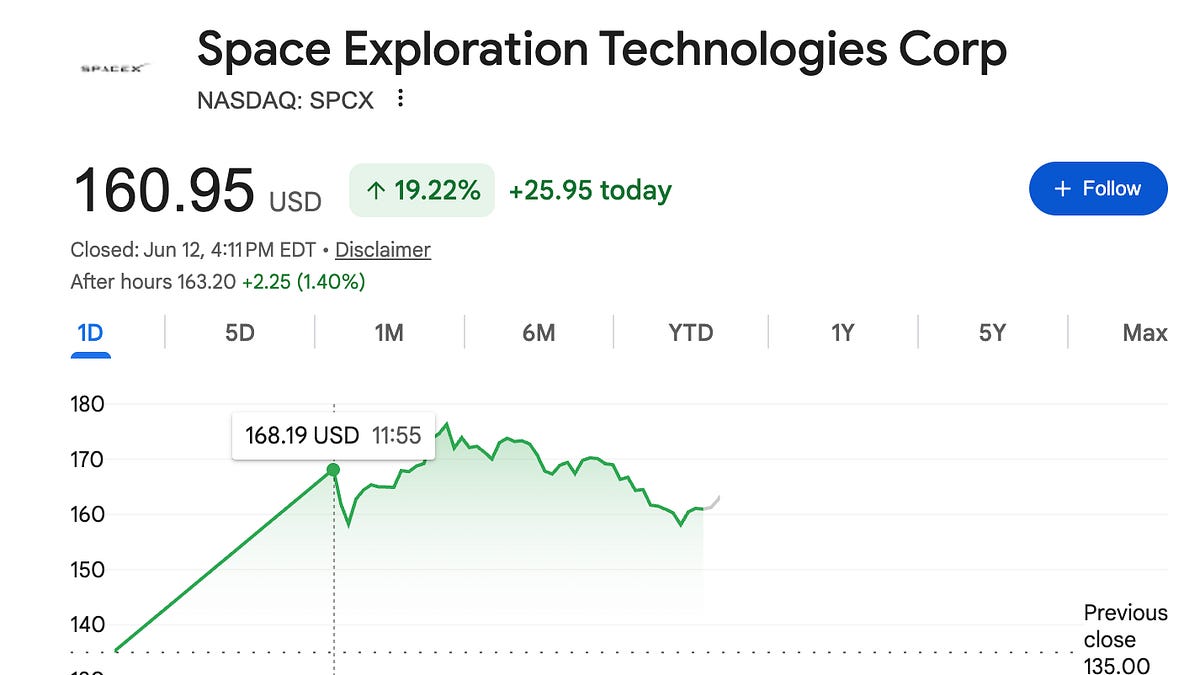
Recent market activity underscores a massive reallocation of capital away from traditional connectivity toward AI and space ventures. SpaceX recently went public with an initial valuation of $1.77 trillion at $135 per share, which quickly surged to $2.1 trillion in live trading. Simultaneously, AI firms are reaching unprecedented valuations, with Anthropic secured at $965 billion ahead of its IPO and OpenAI targeting an $850 billion valuation. This financial momentum is supported by cloud hyperscalers who are set to invest $1 trillion in AI data center infrastructure in 2026 alone.
In contrast, the telecommunications industry is struggling with flat growth and a 5G capex hangover. Projections from the Dell’Oro Group indicate that global operators will spend approximately $500 billion on 6G infrastructure over the next ten years, yet the broader network equipment market is only expected to see a 1% compound annual growth rate (CAGR). Furthermore, total telco revenues are forecasted to grow at a modest 3% over the next decade. While 6G will introduce technical improvements such as the use of 7GHz spectrum and improved radio performance to lower the cost per bit, these are viewed as operational efficiencies rather than revenue drivers.
The analysis suggests that the industry's future lies in redefining its core business from connectivity to distribution. Because consumers and enterprises are unwilling to pay a premium for faster data pipes, connectivity has become a hyper-commoditized utility. To capture value in the trillion-dollar AI economy, telecom operators must position themselves as the last-mile delivery system for intelligence. This involves a strategic pivot toward distributing AI agents and semantic compute to the network edge, acting as the essential physical delivery mechanism for centralized AI power generated by hyperscalers.
Summary generated by RabbitReport AI from public reporting. The full article and original reporting belong to Sebastian Barros Newsletter.