Unlocking growth: Determinants of supply chain finance in African markets |
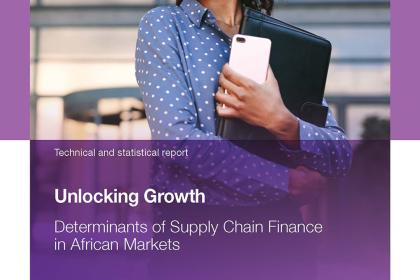
A new report from UNCTAD highlights that while the supply chain finance market in Africa is estimated to exceed $60 billion, only 7% to 25% of current demand is being met. This significant financing gap persists because many financial institutions prioritize global trade over intra-African supply chains, leaving small and medium-sized enterprises (SMEs) with limited access to liquidity. Addressing these constraints through technology-driven financial products and regional integration is seen as a critical step for improving working capital cycles and strengthening economic resilience across the continent.
The UNCTAD analysis, which utilizes World Bank enterprise survey data from 31 countries between 2020 and 2024 alongside financial data from South African listed companies, identifies supply chain finance (SCF) as a vital tool for SME growth. Currently, African SMEs face severe hurdles in maintaining competitiveness due to liquidity constraints. SCF solutions, ranging from traditional trade credit to modern intermediated options like factoring and payables finance, offer a mechanism to bridge these gaps. However, the report notes a systemic bias where financial institutions focus on international trade flows rather than the domestic and regional supply chains that drive local economies.
Technological innovation is playing an increasingly central role in the evolution of the African SCF landscape. The report highlights the emergence of fintech platforms, blockchain applications, and digital payment systems as key drivers for expanding financial access. Specifically, the Pan-African Payments and Settlement System (PAPSS) is identified as a critical infrastructure component that can facilitate smoother transactions. By leveraging these digital tools, the sector can move beyond direct trade credit—currently the most common form of SCF—toward more sophisticated, technology-driven financial products that reduce risk and improve transparency.
Beyond technology, the report points to strategic physical locations such as industrial parks and special economic zones (SEZs) as prime opportunities for scaling SCF solutions. These zones offer shared infrastructure and established governance frameworks that can be leveraged to implement more effective financing models. By focusing on these hubs, stakeholders can create a more inclusive growth environment. Ultimately, closing the financing gap is presented as an essential requirement for enhancing regional trade resilience and ensuring that African economies can benefit more fairly from the global economic landscape.
Summary generated by RabbitReport AI from public reporting. The full article and original reporting belong to UN Trade and Development (UNCTAD).