Perez Hilton’s TikTok Live Self-Harm Incident Sparks Debate on Social Media Mental Health and Moderation
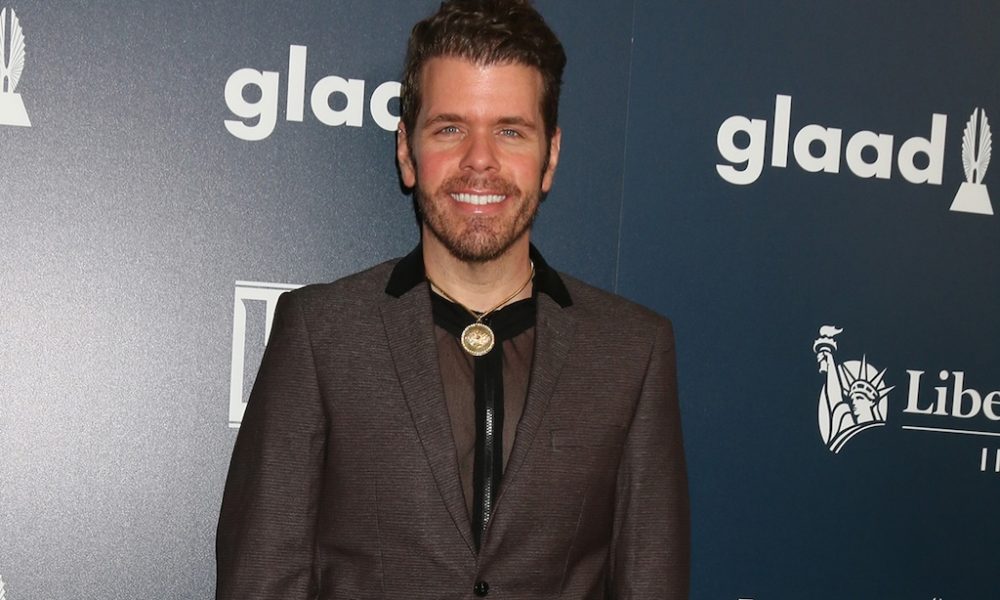
Former celebrity blogger Perez Hilton was hospitalized following a graphic self-harm incident broadcast on TikTok Live, prompting the platform to ban his account. The event has reignited discussions regarding the effectiveness of real-time content moderation and the severe mental health pressures facing high-profile social media personalities. As clips of the traumatic broadcast continue to circulate online, industry observers are questioning the impact of the attention-driven clout culture on creator well-being.
Mario Lavandeira, known professionally as Perez Hilton, caused widespread alarm after broadcasting a crashout on TikTok Live where he appeared to harm himself with a metal chef-grade spreader. Miami-Dade County police responded to the scene, and Hilton was subsequently hospitalized for treatment. While TikTok has since banned Hilton’s account, the incident has highlighted significant gaps in live-stream moderation, as the graphic footage was viewed by a live audience and continues to be shared across various social media platforms.
Hilton’s agent, Dante Rusciolelli, issued a statement confirming the hospitalization and requesting privacy for the creator and his family, noting that family members were present shortly before the incident but left to protect Hilton's children from trauma. The situation serves as a stark contrast to Hilton’s own career history, which was built on the aggressive pursuit of celebrity scandals, including the outing of LGBTQ+ public figures and the monetization of mental health crises like Britney Spears’s 2007 breakdown. Critics and observers note that while Hilton attempted to rehabilitate his image in recent years, the pressures of maintaining relevance in a follower-driven economy may have contributed to this latest crisis.
The incident underscores a broader mental health crisis within the social media sector, where fame is increasingly quantified by engagement metrics rather than professional accolades. The source reports that this negative feedback loop of dopamine addiction and clout chasing often leads influencers to engage in increasingly shocking behavior to sustain their base. Recent examples cited include influencer Whitney Lynn’s disruption of a flight and the privacy struggles of rising stars like Chappell Roan, suggesting that the current structure of social media platforms may inherently incentivize toxic behavior and self-destructive tendencies among creators.
Summary generated by RabbitReport AI from public reporting. The full article and original reporting belong to Washington Blade.