Smart city strategy, China’s urban innovation and policy effectiveness
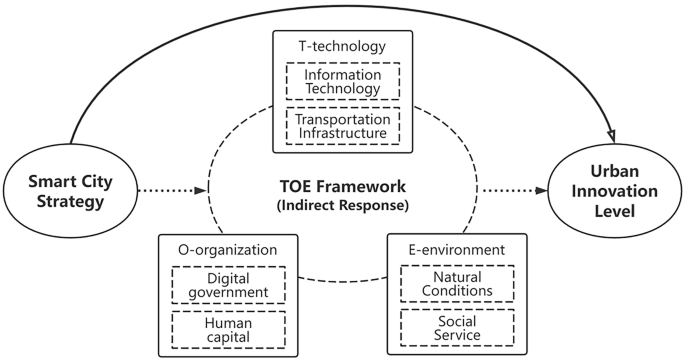
A comprehensive study of 283 prefecture-level cities in China reveals that smart city pilot policies significantly enhance urban innovation levels. The research indicates that these effects are most pronounced in small to medium-sized cities and the country's central and western regions. This development is crucial for the urban tech market as it demonstrates how integrated policy frameworks can reduce regional disparities through technological advancement.
The study identifies several key channels linking smart city development to higher innovation, including improvements in information and communication technology (ICT), transportation infrastructure, and digital government. These mechanisms vary by region but collectively contribute to a more efficient urban management model.
Spatial analysis also highlights positive spillover effects, where innovation activities in pilot cities benefit neighboring areas through regional networks. This suggests that place-based innovation policies can create a broader impact on regional development beyond the immediate target cities.
Summary generated by RabbitReport AI from public reporting. The full article and original reporting belong to Nature.