Senior Living Executive Forecast 2026: Industry Still Not Ready to Serve Boomer Generation
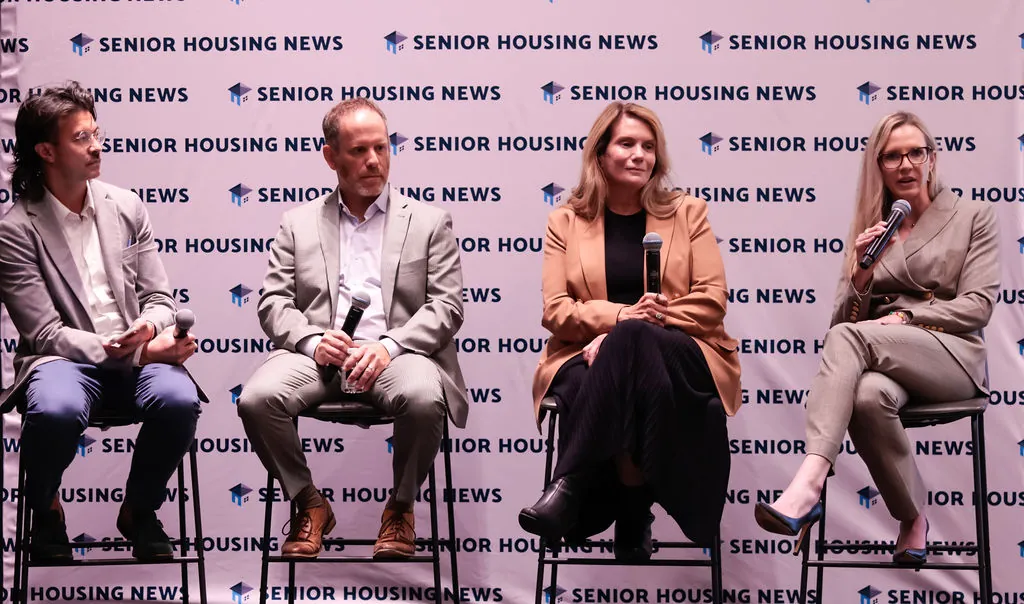
As the oldest baby boomers approach age 80 in 2026, senior living leaders warn that the industry remains underprepared to meet the surging demand for assisted living and specialized care. While occupancy rates are projected to exceed 91% due to record-low inventory growth and high construction costs, many existing facilities face challenges with outdated operating models and aging infrastructure. This supply-demand imbalance is forcing major operators to restructure their management and capital investment strategies to better accommodate a more discerning generation of residents.
The senior living sector is facing a critical juncture in 2026 as the demographic tailwind of the baby boomer generation shifts toward assisted living needs. Lifespace Communities CEO Jesse Jantzen emphasizes that boomers are rewriting the rules and will not wait for the industry to catch up, noting that many communities built decades ago may struggle to attract this new cohort. Despite the high demand, the industry is hampered by a significant slowdown in new construction starts, driven by rising borrowing costs and the difficulty of underwriting acceptable returns on new developments.
Data from NIC suggests that the intersection of low supply and high demand will push national occupancy levels to 91% or higher by 2026. This scarcity of inventory is already manifesting in some markets where the total number of available units is actually shrinking. In response, major players like Brookdale—which employs 34,000 people and serves 50,000 residents—are overhauling their organizational structures. Brookdale recently appointed a chief operating officer to oversee six newly formed regions, effectively decentralizing operations to bring execution closer to individual markets while leveraging national scale for resources.
To navigate the 2026 landscape, operators are shifting from broad, piecemeal renovations to more strategic, narrow and deep capital deployments. Brookdale, the third-largest owner of senior housing real estate in the U.S., plans to target specific markets for community upgrades and repositioning where they can achieve the strongest returns. As occupancy rises, operators expect to gain greater pricing flexibility, allowing them to move away from discounts and instead focus on competitive compensation for staff and high-quality service delivery to maintain their status as employers of choice.
Summary generated by RabbitReport AI from public reporting. The full article and original reporting belong to Senior Housing News.