AI in Aging and Elderly Care Market Report with Forecast 2026 to 2035
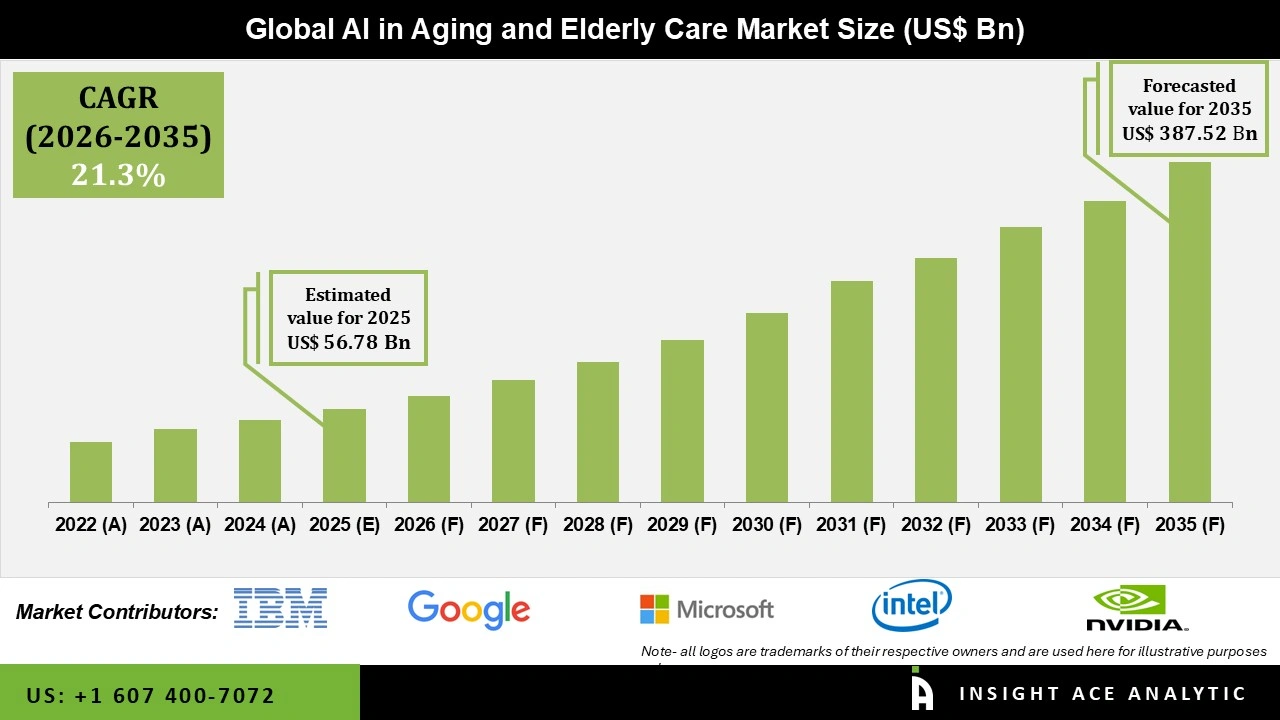
The global market for artificial intelligence in aging and elderly care is expected to grow from $56.78 billion in 2025 to $387.52 billion by 2035, representing a compound annual growth rate of 21.30%. This rapid expansion is driven by an aging global population and the urgent need for innovative solutions that address caregiver shortages and remote health monitoring. For the senior care sector, this shift signifies a move toward highly integrated, data-driven environments that prioritize early detection and personalized assistance for older adults.
The global AI in aging and elderly care market is entering a decade of significant transformation, with its valuation set to climb from $56.78 billion in 2025 to over $387 billion by 2035. This growth is primarily fueled by a 21.30% CAGR as the industry seeks to address the complexities of an aging population and increased life expectancy. The market encompasses a wide range of solutions, including conversational AI, physical assistance robotics, and smart home ambient sensing systems. The COVID-19 pandemic acted as a critical catalyst for this market, accelerating the adoption of telemedicine and virtual health aids to protect vulnerable seniors while maintaining essential care services.
Technological integration is a cornerstone of this market, with the Internet of Things (IoT) segment identified as a major contributor. By combining wearable sensors, vision-AI cameras, and non-contact sensors such as radar and acoustic devices, caregivers can now access real-time data on vital signs, activity levels, and medication adherence. These tools are particularly vital for high-priority applications like fall detection and prevention, which remain a primary concern for senior care providers. Furthermore, machine learning and predictive analytics are being leveraged to create personalized treatment plans and identify potential health issues before they become emergencies.
North America is projected to hold the highest market share during the forecast period, supported by a sophisticated healthcare infrastructure and robust research and development activity. The region benefits from strong collaborations between IT companies and healthcare institutions, facilitating the rollout of AI-powered platforms across various end-user settings, including assisted living facilities, nursing homes, and private home care. Beyond physical health, the report highlights the growing importance of social engagement through companion AI and natural language processing (NLP) systems, which help mitigate social isolation and provide cognitive stimulation for seniors.
As the sector matures, the focus is shifting toward creating inclusive, age-friendly societies through the use of assistive robots and smart home gateways. These innovations allow for proactive monitoring in long-term care centers and hospitals, reducing the burden on staff while enhancing the quality of life for residents. However, the report also notes that the industry must continue to address challenges related to technology access and data privacy to ensure that these AI-driven advancements are accessible and secure for all older adults.
Summary generated by RabbitReport AI from public reporting. The full article and original reporting belong to Insightace Analytic.