The Iran War Is Also Now a Semiconductor Problem
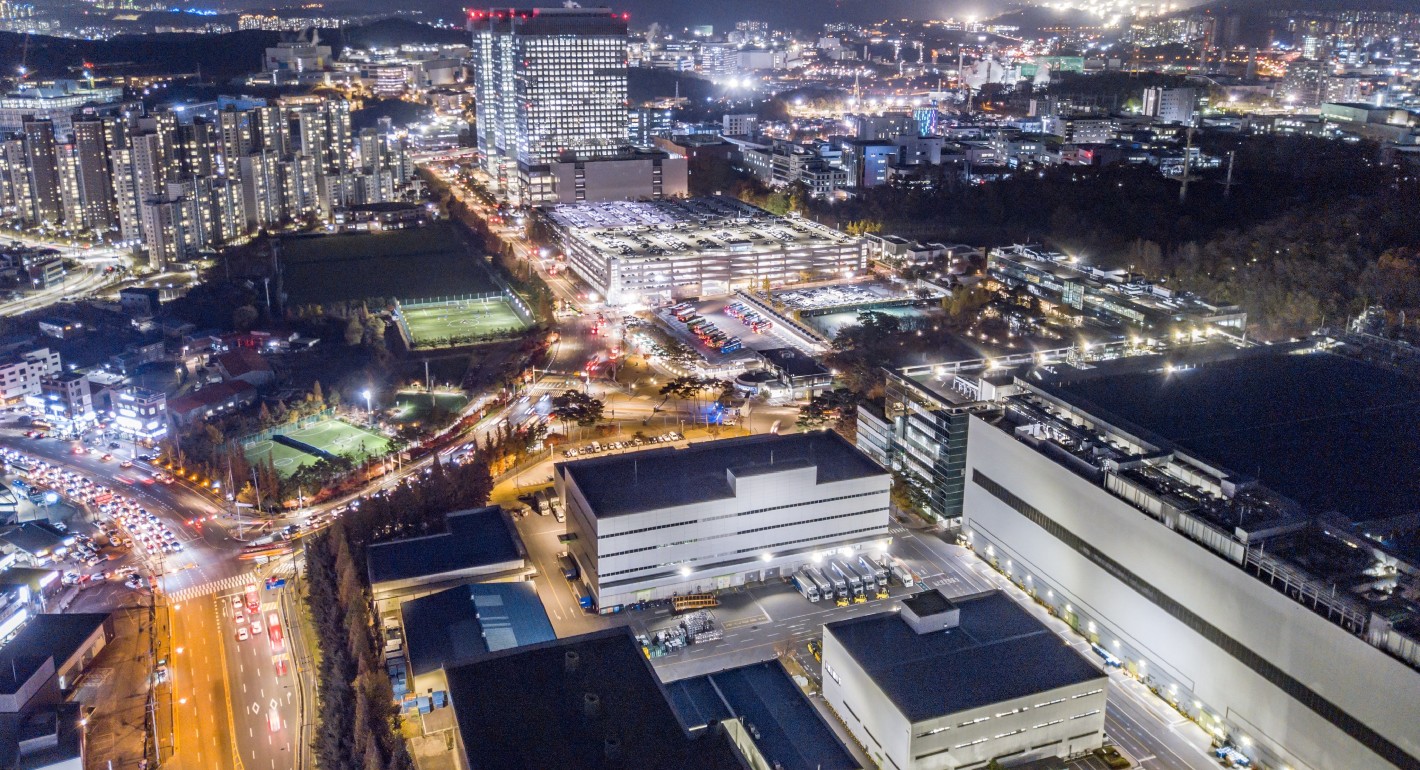
The escalation of conflict in Iran and the subsequent closure of the Strait of Hormuz have triggered a severe economic crisis in South Korea, exposing the energy vulnerabilities of its dominant semiconductor sector. As the country relies on the Middle East for approximately 70 percent of its crude oil, the disruption has caused a massive sell-off in the shares of industry leaders Samsung Electronics and SK Hynix. This volatility highlights a critical strategic chokepoint where global AI and memory chip supply chains are directly dependent on the stability of volatile energy transit routes.
The Iran conflict has resulted in a historic 18 percent drop in the South Korean stock market over just four trading days, erasing more than $500 billion in market value. This downturn was led by the nation’s semiconductor giants, Samsung Electronics and SK Hynix, which together represent nearly 40 percent of the domestic market capitalization. Both companies saw their valuations plunge by more than 20 percent in 48 hours as investors reacted to the threat posed by the closure of the Strait of Hormuz. Because South Korea imports roughly 70 percent of its crude oil from the Middle East through this specific waterway, the energy-intensive process of chip manufacturing faces immediate operational and cost risks.
South Korea’s reliance on imported fossil fuels—comprising 36.6 percent oil, 22.3 percent coal, and 19.7 percent natural gas—creates a structural weakness for its high-tech economy. The energy demands of the sector are projected to grow significantly with the development of the world’s largest chip complex in Yongin, Gyeonggi Province. Scheduled to partially open in 2027, this facility alone is expected to require 16 gigawatts of power, accounting for approximately 17 percent of South Korea’s total peak national electricity demand. While the country has attempted to transition toward nuclear and renewable energy, progress has lagged, leaving the semiconductor roadmap heavily tethered to geopolitical stability in the Middle East.
The disruption carries profound consequences for the global technology landscape, as Samsung and SK Hynix control 80 percent of the high-bandwidth memory (HBM) market and nearly 70 percent of the DRAM market. These components are essential for AI systems, cloud data centers, and consumer electronics, and were already in short supply due to the ongoing AI boom. Rising domestic energy costs, which surged over 60 percent between 2020 and 2024, had already begun pushing manufacturing overseas to locations like Taylor, Texas. However, the current crisis underscores that even with geographic diversification, the primary hubs of memory production remain vulnerable to energy supply shocks that can destabilize the entire global semiconductor ecosystem.
Summary generated by RabbitReport AI from public reporting. The full article and original reporting belong to Carnegie Endowment for International Peace.