Reducing property risk, not raising insurance premiums, is vital in the catastrophe market
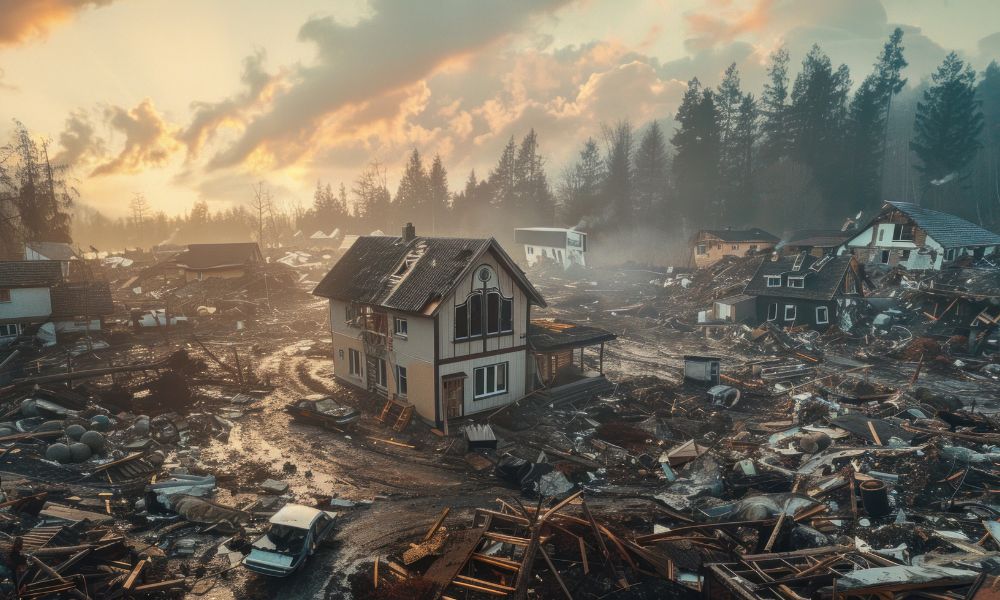
Between 2021 and 2024, U.S. property insurance premiums surged by an average of 24%, adding $21 billion in costs as homes become increasingly vulnerable to severe weather. Industry leaders are now shifting focus from rate increases to physical risk reduction, citing data that shows every dollar spent on hazard mitigation can save up to $33 in disaster costs. This transition toward hardening existing housing stock is viewed as essential for maintaining market insurability in the face of $50 billion in annual convective storm losses.
The property insurance sector is facing a grim reality where rising premiums alone cannot offset escalating catastrophe losses, particularly from severe convective storms that have exceeded $50 billion in losses for three consecutive years. Don Griffin of the American Property Casualty Insurance Association (APCIA) noted that when losses consistently exceed collected premiums, insurers have no choice but to raise rates, though the industry prefers risk-reduction solutions. Compounding the issue is the rising cost of reconstruction; since 2015, building supplies have increased by 29 points on an indexed basis, significantly outstripping the 19-point rise in household insurance costs over the same period.
Real-world data from states like Alabama and Louisiana demonstrate the efficacy of the FORTIFIED resilience standards developed by the Insurance Institute for Business and Home Safety (IBHS). A University of Alabama study of Hurricane Sally revealed that FORTIFIED homes saw 55% to 74% fewer claims than conventional builds, with the average claim payout dropping by 15% to 40%. In Louisiana, homeowners adopting these standards saw average premium reductions of 22%, prompting the state to mandate that all property insurers offer FORTIFIED discounts by January 2027.
In Colorado, which leads the nation in hail claims and ranks second for wildfire risk, the state legislature recently passed funding for home-hardening grants that could save policyholders an average of $800 annually. Similarly, the Insurance Council of Texas is studying the Alabama model to address hail, the state's primary claim driver, which threatens 7.9 million properties with a combined reconstruction value of $3.1 trillion. Richard Johnson of the Council noted that because Texas lacks statewide standards for hail or wildfire mitigation outside of coastal areas, insurers are prioritizing risk reduction to bring down payout costs.
The ultimate challenge for the sector remains the lack of modern building codes, which IBHS head Michael Newman argues should be embedded in law rather than left to individual homeowners. Currently, fewer than 35% of Americans live in communities with modern codes, and no state has adopted a statewide code since 2008. Newman frames the mission as a balance of survivability and insurability, noting that while new construction is important, the vast majority of the nation's 148 million housing units were built before the era of modern safety standards and remain ill-equipped for today's weather.
Summary generated by RabbitReport AI from public reporting. The full article and original reporting belong to Insurance Business.