RMIT Launches Martech Lab to Address Industry Skills Gap and Integration Challenges
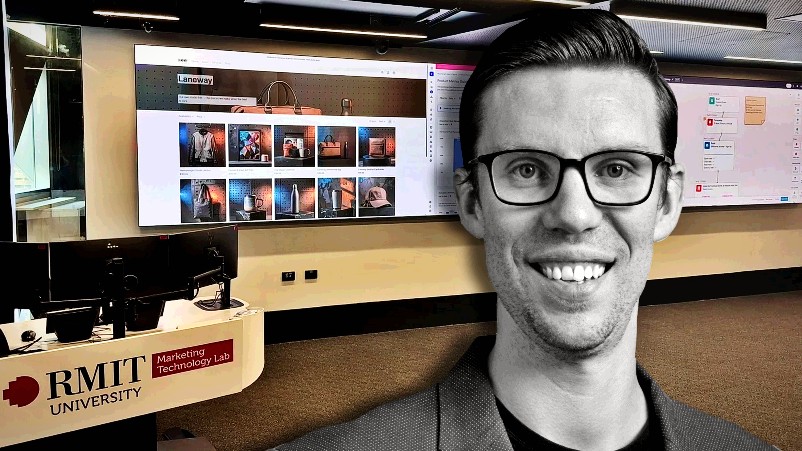
RMIT University is set to launch a new Martech Lab in August to support its undergraduate marketing technology major, one of only three such programs globally. Led by Jason Pallant, the initiative aims to solve the 'Ferrari problem' where organizations invest heavily in sophisticated software without the internal skills or data infrastructure to utilize it effectively. The lab provides a hands-on environment for students to navigate complex integrations, privacy concerns, and the choice between suite-led and composable architectures. This development is significant for the marketing technology sector as it addresses the critical talent shortage and the high failure rate of enterprise software implementations.
RMIT University’s new multimillion-dollar Martech Lab, launching in August, is designed to combat the 'expensive failure loop' where brands purchase high-end platforms but struggle with implementation. Director Jason Pallant identifies the core issue as a lack of people, skills, and cross-functional knowledge rather than the technology itself. The lab supports a three-year undergraduate martech major—one of only three in the world—and features a live tech stack integrated with a physical and digital store environment. This setup allows students to move beyond the 'glossy sales pitch' to confront the messy realities of data plumbing, legacy system collisions, and inconsistent data definitions.
The curriculum extends beyond basic software operation to include implementation planning, change management, and collaboration with finance, legal, and technology teams. A capstone course, Strategic Martech Implementation, requires marketing students to work alongside finance peers to simulate real-world business environments where ownership and procurement decisions often stall projects. While RMIT is not training marketers to be data engineers, the program ensures they understand data capture, event design, and system dependencies. This enables them to communicate use cases effectively to technical specialists, with support from RMIT’s computing group for deeper engineering components.
To challenge the industry's tendency toward suite-led buying habits, the lab maintains a technology-agnostic approach, hosting competing vendors and architectures like Salesforce, Adobe, HubSpot, Iterable, and Amplitude in a comparative ecosystem. Students will test enterprise suites against composable combinations of specialist platforms using a simulated business called Laneway, which is powered by a live Shopify site. By exposing students to diverse architectures and the 'harder work' of post-purchase execution, RMIT aims to redefine martech maturity as the ability to turn customer strategy into coordinated execution. This shift focuses on organizational capability rather than the sheer number or cost of platforms within a brand's stack.
Summary generated by RabbitReport AI from public reporting. The full article and original reporting belong to Mi-3.com.au..