International symposium explores the future of regenerative supply chains
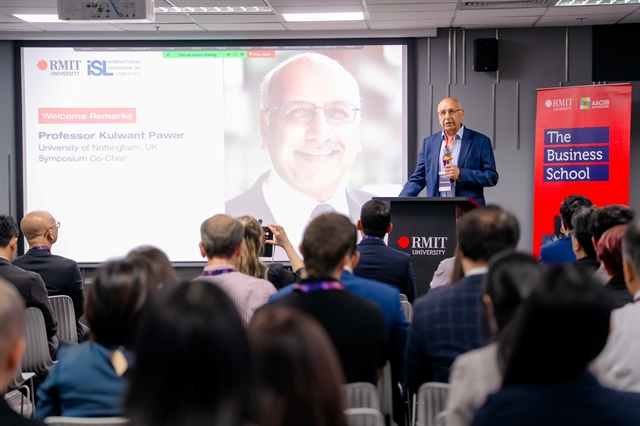
The 30th International Symposium on Logistics (ISL 2026) held in Hà Nội brought together over 100 global experts to discuss the transition toward regenerative supply chain models. This shift emphasizes building resilience and intelligence to withstand geopolitical tensions and climate change while actively creating positive environmental and social value. For the logistics sector, this represents a move away from traditional cost-minimization strategies toward data-driven, sustainable operations that can ensure the continuous flow of essential goods.
The 30th International Symposium on Logistics (ISL 2026), co-hosted by RMIT University Vietnam in Hà Nội from July 5-8, focused on the theme of “Regenerative Supply Chain Intelligence.” Deputy Director General Trần Thanh Hải of Vietnam’s Ministry of Industry and Trade emphasized that modern supply chain security must evolve beyond theft prevention to ensure the resilient movement of food, medicine, and industrial materials across borders. Professor Kulwant Pawar of Nottingham University Business School, Chair of the symposium, noted that while traditional models prioritized cost and efficiency, regenerative supply chains aim to generate environmental and social benefits alongside economic growth.
Industry leaders highlighted the critical role of digital transformation in navigating constant global disruptions. Dr. Đinh Hữu Thạnh, Co-founder and CEO of Bee Logistics Corporation, argued that logistics is shifting from a cost-focused function to an intelligence-driven competitive capability powered by AI and data. He stated that competitive advantages now stem from the ability to transform raw data into predictive insights and automated actions. This technological shift allows companies to see further and adapt faster to market changes, moving beyond old models built primarily on operational scale.
As a growing hub in global trade, Vietnam is positioned to leapfrog directly into regenerative supply chain models. Dr. Nguyễn Mạnh Hùng from RMIT Vietnam explained that the country’s manufacturing growth and expanding international trade provide a unique opportunity to embed sustainability and digital intelligence across its ecosystem. However, achieving this requires strong collaboration between the government, businesses, and universities to develop the necessary infrastructure, talent, and research. Ultimately, the symposium concluded that those who successfully integrate resilience and sustainability will be best positioned to meet the evolving expectations of global investors and customers.
Summary generated by RabbitReport AI from public reporting. The full article and original reporting belong to vietnamnews.vn.