Global Success of K-Beauty Brands Faces Unexpected Challenge from AI Abuse
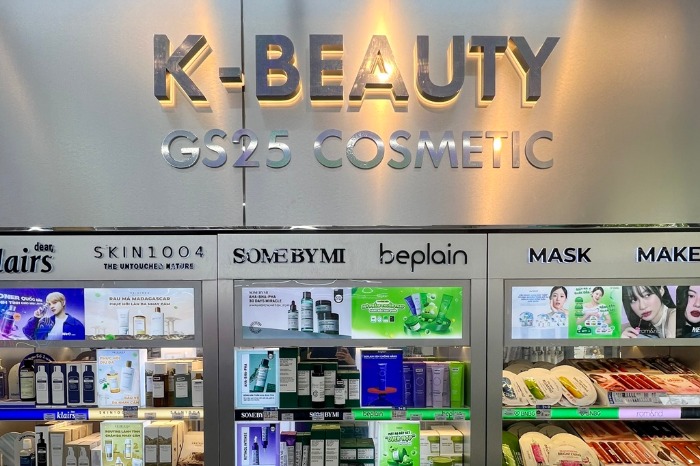
South Korean beauty brands are navigating a complex global landscape marked by rapid expansion, strategic acquisitions, and new technological threats such as AI-driven fraud. While companies like Goodai Global Inc. are strengthening their international distribution through major acquisitions in the U.S., the sector is also contending with the rise of grey-market sellers and sophisticated advertising scams. This shift reflects K-beauty's transition from a product-export model to a more integrated global presence that requires robust brand protection and market-specific strategies.
The global rise of K-beauty has brought about new vulnerabilities, specifically regarding artificial intelligence abuse and fraud scandals. According to reports from MarqVision and World Trademark Review, grey-market sellers are increasingly using AI to facilitate unauthorized sales and deceptive marketing practices on platforms like Shopee. Brands such as Biodance and Yonsei Dairy are highlighted within this context of evolving intellectual property challenges. These issues emerge just as K-beauty enters a more ambitious phase, moving beyond the viral social media success of sheet masks and serums to establish more permanent outlet concepts and brand identities on global shelves.
In a major move for the sector, Goodai Global Inc., a South Korean cosmetics unicorn frequently compared to L’Oréal, has acquired Hansung USA LLC. Hansung is a specialized U.S.-based distributor of Korean beauty brands, and this acquisition is intended to solidify Goodai Global's footprint in the North American market. This strategic expansion is mirrored by other major players like APR, whose Medicube brand continues to gain traction, and TIRTIR, which is seeing significant consumer interest in its foundation lines. These developments signify a shift toward direct control over international distribution channels to ensure brand consistency and growth.
Simultaneously, Korean fashion and beauty companies are aggressively re-entering the Chinese market as diplomatic tensions ease and consumer sentiment improves. China, which was previously considered a graveyard for Korean firms due to a diplomatic chill, is regaining its status as a primary target for K-beauty exports. Companies like F&F are part of this rush back into the region, capitalizing on the renewed allure of Korean products among Chinese consumers. This dual focus on securing the U.S. market through acquisitions while revitalizing presence in China highlights the industry's multi-pronged approach to maintaining global dominance despite technological and geopolitical hurdles.
Summary generated by RabbitReport AI from public reporting. The full article and original reporting belong to The Korea Economic Daily Global Edition.