AI in Fitness and Wellness Market Size, Share and Forecast 2026 to 2035
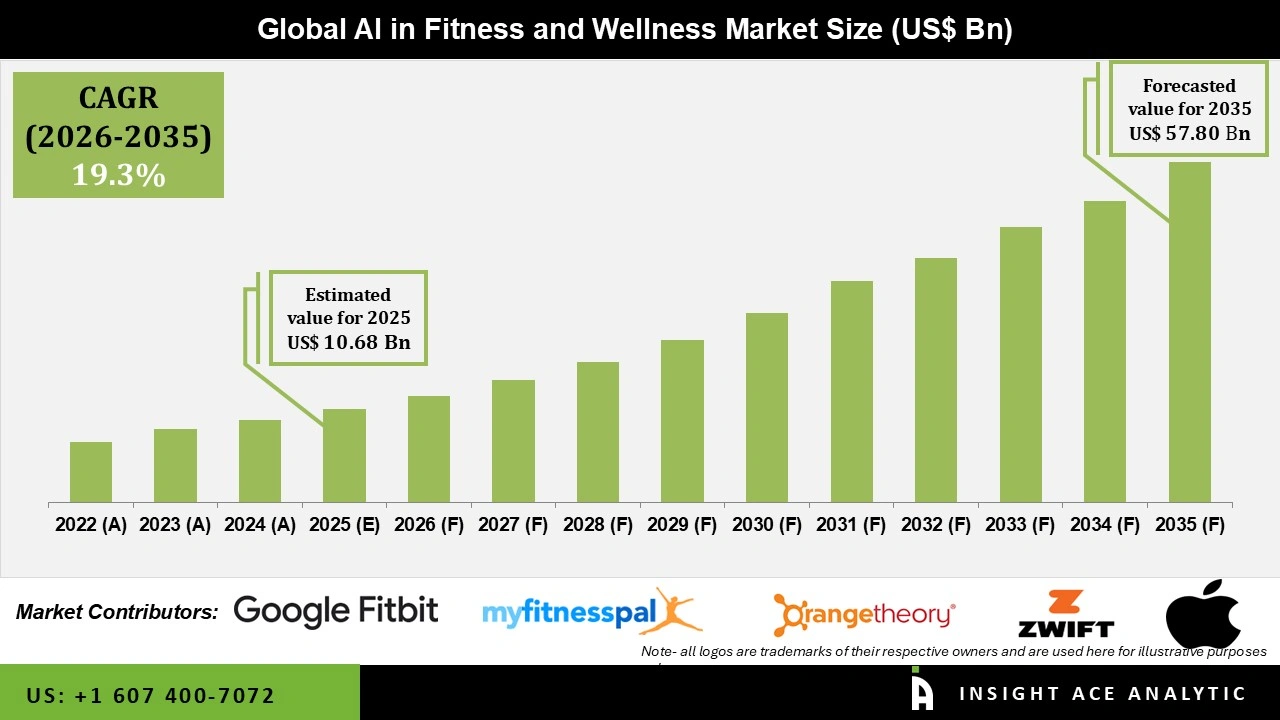
The global AI in fitness and wellness market is expected to grow from a 2025 valuation of $10.68 billion to $57.80 billion by 2035, representing a compound annual growth rate of 19.3%. This expansion is driven by a surge in demand for personalized health data and advancements in wearable technology that offer real-time feedback and individualized training plans. For the fitness and wellness sector, this shift signifies a move toward highly tailored digital ecosystems that integrate nutrition, stress management, and injury prevention into daily routines.
The market's rapid trajectory is fueled by a combination of technological breakthroughs and a heightened global focus on health awareness. Key drivers include the evolution of machine learning algorithms and natural language processing, which have made digital wellness platforms more intuitive and effective for the end user. While the COVID-19 pandemic initially accelerated the adoption of these digital solutions, consumer preference for the flexibility and convenience of AI-enabled tools has persisted even as traditional gyms have reopened. However, the industry faces potential headwinds that could hinder growth, specifically the high costs associated with implementing AI systems and ongoing concerns regarding data privacy and security.
Within the market segments, AI-enabled fitness apps currently stand as the major contributor to the industry, offering users individualized training schedules, dietary guidance, and mental wellness support. Simultaneously, the personalized fitness recommendations segment is projected to experience rapid growth, powered by complex algorithms that analyze massive datasets—including historical performance, health data, and user preferences—to deliver highly accurate regimens. Other significant segments include AI-integrated wearable devices, virtual personal trainers, and smart gym equipment, all of which leverage real-time feedback on metrics such as heart rate, activity levels, and sleep patterns to optimize physical performance and prevent injuries.
Geographically, North America is predicted to register the highest market share in the near future, supported by the extensive use of wearables and a strong presence of industry leaders like Apple, Fitbit, and Garmin. The region's growth is further bolstered by the rising importance of corporate wellness, where businesses utilize AI-driven initiatives to improve employee health and reduce medical costs. Europe is also identified as a high-growth region due to rapid digital transformation and increasing consumer awareness of fitness applications. These trends indicate a broader industry shift where AI serves as a critical bridge between individual health management and professional fitness services across various end users, including healthcare facilities and sports teams.
Summary generated by RabbitReport AI from public reporting. The full article and original reporting belong to Insightace Analytic.