Senate Votes to Delay Federal Hemp Product Ban Until December
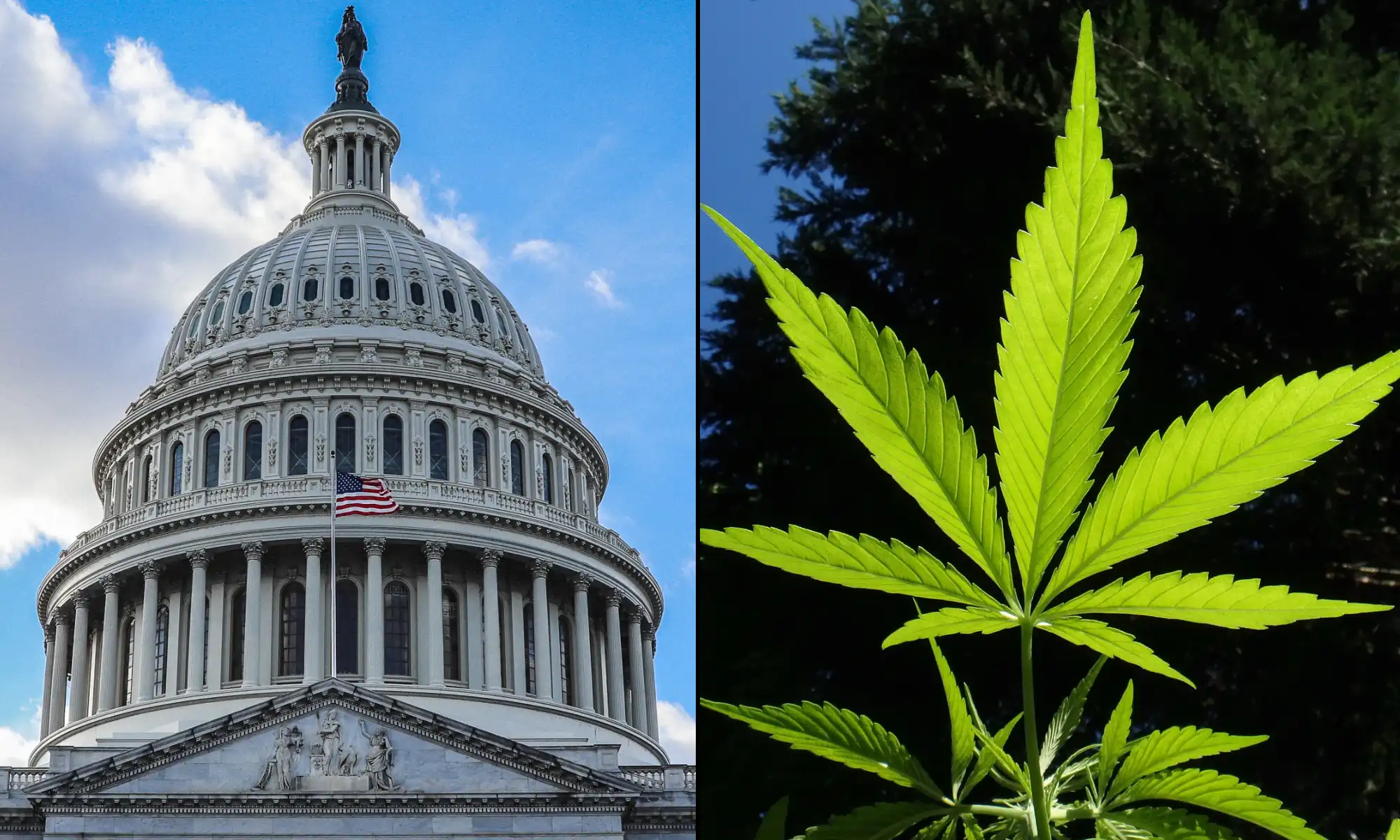
The U.S. Senate has voted to postpone a scheduled federal ban on most hemp-derived THC products, extending the deadline for recriminalization from November 12 to December 11. This legislative move, achieved by tabling an amendment from Senator Ted Budd, provides the hemp industry and lawmakers a brief window to negotiate a regulatory framework as an alternative to total prohibition. The decision is a critical development for the sector, which faces a potential market collapse under proposed new rules that would limit products to just 0.4 milligrams of total THC per container.
The legislative action centered on a continuing resolution to fund federal agencies through December 11, which includes provisions to delay a planned redefinition of hemp that would effectively ban most current hemp-derived THC products. While the underlying funding bill passed with a 90-6 vote, the primary conflict involved an amendment by Senator Ted Budd (R-NC) that sought to keep the original November 12 ban date. Budd argued that the availability of intoxicating hemp products constitutes a public health crisis and a threat to children, but his amendment was defeated by a 61-32 motion to table led by Senator Amy Klobuchar (D-MN). Notably, the delay does not apply to synthetic cannabinoids not naturally produced by the cannabis plant, which are still set for recriminalization on the original November date.
The push for a delay saw significant involvement from high-profile figures and diverse interest groups. CMS Director Mehmet Oz expressed grave concern that an immediate ban would disrupt plans to cover hemp-derived products through Medicare, while reports suggested Donald Trump personally reached out to Senator Budd regarding the matter. Conversely, a bipartisan coalition of 35 state attorneys general urged Congress to allow the ban to proceed, claiming the stricter THC limits would provide necessary regulatory clarity. In a tense meeting with Senate Republicans, White House Director of Legislative Affairs James Braid reportedly stated that the administration would not support any further extensions beyond the new December deadline, placing immense pressure on lawmakers to find a permanent solution quickly.
Industry stakeholders, particularly those in the beverage sector, are using the extension to advocate for a formal federal framework rather than a return to prohibition. The Beverage Alcohol Merchants Coalition (BAMCO), representing major retailers like Total Wine & More and BevMo!, is lobbying for hemp-derived THC drinks to be integrated into a three-tier regulatory system similar to alcohol, including requirements for testing, labeling, and taxation. Lawmakers such as Representative James Comer (R-KY) are already circulating legislation to establish these standards, including age limits and packaging requirements. The outcome of these negotiations will determine the survival of a market that has flourished under the 2018 Farm Bill's 0.3 percent delta-9 THC threshold but now faces an existential threat from the pending 0.4mg per container limit.
Summary generated by RabbitReport AI from public reporting. The full article and original reporting belong to Marijuana Moment.