AI, Ethics and Spiritual Perspectives on Modern Medicine
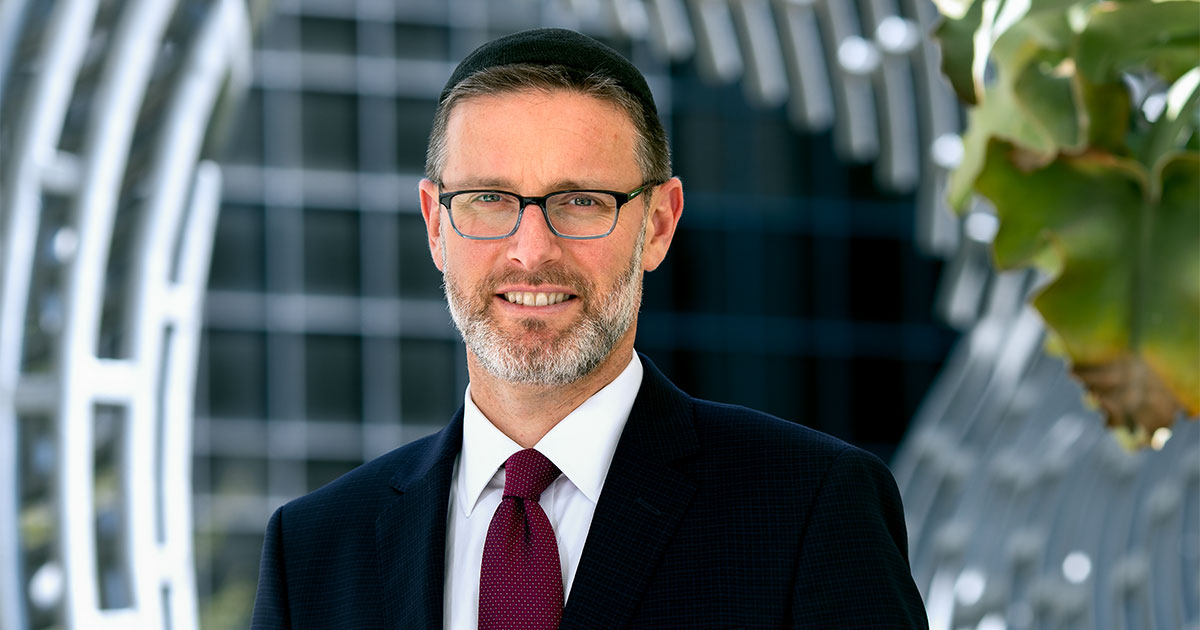
Rabbi Dr. Jason Weiner of Cedars-Sinai is examining the integration of Jewish ethical thought with modern medical technologies, specifically focusing on the role of artificial intelligence in clinical decision-making. The research warns that while AI offers valuable predictive capabilities, it requires human oversight to prevent biases and ensure that treatment recommendations align with patient values. This intersection of spirituality and technology highlights the growing need for ethical frameworks within the AI healthcare sector to manage complex end-of-life and diagnostic scenarios.
Rabbi Dr. Jason Weiner, director of the Spiritual Care Department at Cedars-Sinai, has released new scholarly work that interprets rabbinic perspectives to provide guidance on modern medical developments, including artificial intelligence. Weiner points out that AI can generate predictions with significant clinical value, but he cautions that these tools lack the ethical nuance necessary for values-based decision-making. He stresses that his role involves helping clinicians practice medicine in a way that respects the beliefs and values of their patients, a task that becomes more complex as automated systems are introduced into the diagnostic process.
One of the primary pitfalls identified in the use of AI, such as ChatGPT, is the inconsistency of its recommendations based on the context of the prompt. Weiner cites research showing that these models can offer different treatment advice depending on whether the system believes it is interacting with a medical professional or an insurance adjuster. This highlights a critical challenge for the AI sector: ensuring that the values embedded in AI outputs are transparent and intentional, rather than the result of hidden biases or prompt-based variations that could compromise patient care.
In addition to AI ethics, Weiner’s work addresses traditional Jewish legal perspectives on end-of-life care, specifically the treatment of "goseis," or dying patients. He explores the tension between modern medical interventions that can prolong life and the religious desire to avoid unnecessarily extending the dying process. By highlighting diverse rabbinic opinions on issues like artificial nutrition and hydration, Weiner provides a framework for healthcare providers to navigate the intersection of medical practice and spiritual requirements, emphasizing that human clinical judgment remains essential even as technology advances.
Summary generated by RabbitReport AI from public reporting. The full article and original reporting belong to Cedars-Sinai.