Home insurance and the unraveling of Florida communities
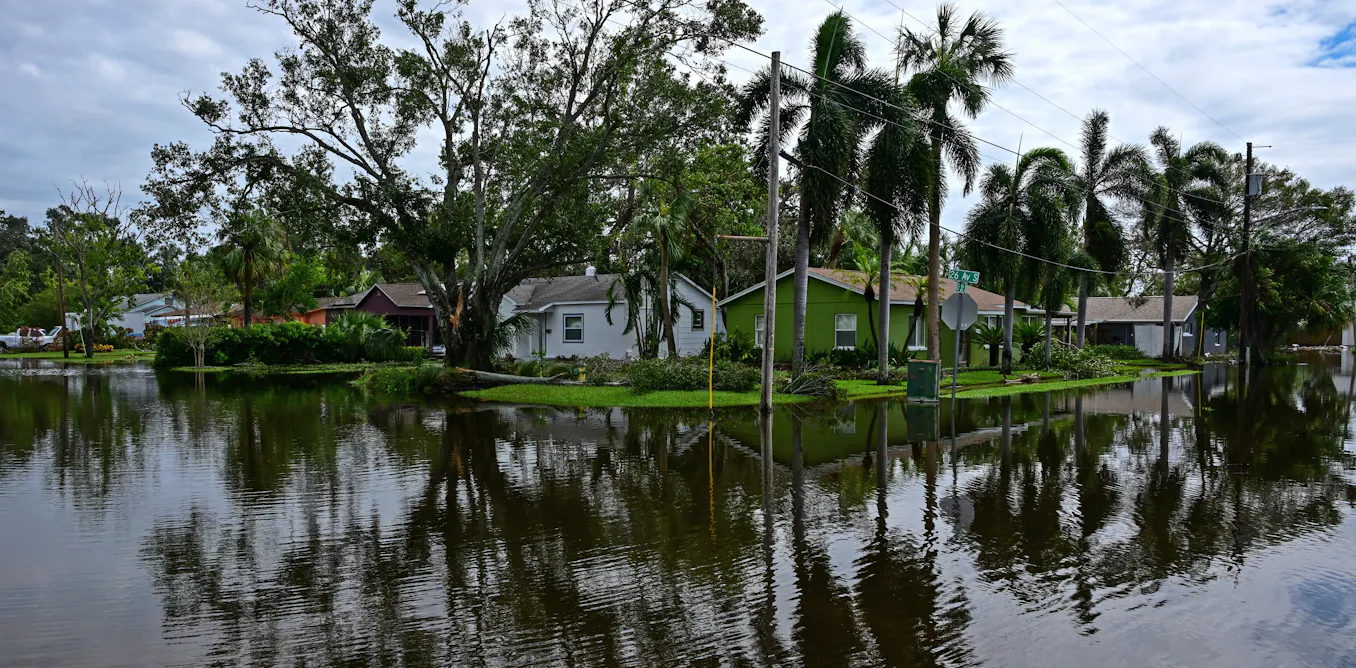
The back-to-back impacts of Hurricanes Helene and Milton in late 2024 have exposed a deepening crisis in Florida's property insurance market, where soaring premiums are fundamentally repricing residential life. This insurance volatility is creating a stark divide between resilient, newly built homes and older properties that are becoming increasingly difficult to protect or finance. For the property insurance sector, this shift represents a transition from traditional risk sharing to a model of "risk sorting" that threatens the underlying stability of the state's real estate economy and tax base.
The physical and financial aftermath of Hurricanes Helene and Milton in late 2024 has highlighted a growing disparity in Florida’s coastal neighborhoods, specifically in areas like Shore Acres in St. Petersburg. While newer homes built to modern codes and elevated on posts survived the storms largely untouched, older postwar homes suffered catastrophic damage, leading to a wave of "for sale" signs as owners face the dual burden of repair costs and skyrocketing insurance premiums. This trend illustrates how climate shocks and subsequent market responses are reshaping the cost of living, as insurers become more selective about which properties they will cover and at what price.
The structural importance of insurance in Florida cannot be overstated, as it serves as the essential link for the state's housing finance system. Without affordable and available coverage, homeowners are unable to secure or maintain mortgages, which in turn reduces market access for buyers and puts downward pressure on home prices. This creates a potential financial spiral where declining property values lead to reduced local government tax revenues, affecting public budgets and the broader real estate industry. Furthermore, the crisis extends to the rental sector, where landlords pass on rising insurance costs to tenants or are forced to defer maintenance and postpone new construction due to financial distress.
Market data and case studies from Miami indicate that climate risk is already beginning to sort neighborhoods by wealth and resilience, a phenomenon described as "splintering protectionism." In areas like Little Haiti, investors are increasingly purchasing elevated land to avoid flood risks, while in communities like Miami Gardens, high insurance costs are pushing affordable homeownership out of reach. Although the state of Florida has developed a complex system of semipublic insurance institutions, there remains a critical gap in public policy regarding home-scale resilience. Industry experts suggest that for the market to stabilize, there must be a more integrated approach that helps homeowners both storm-proof their properties and maintain access to affordable repair and rebuilding coverage.
Summary generated by RabbitReport AI from public reporting. The full article and original reporting belong to The Conversation.