Office of Academic Innovation Summer Conference Focuses on AI in Higher Education
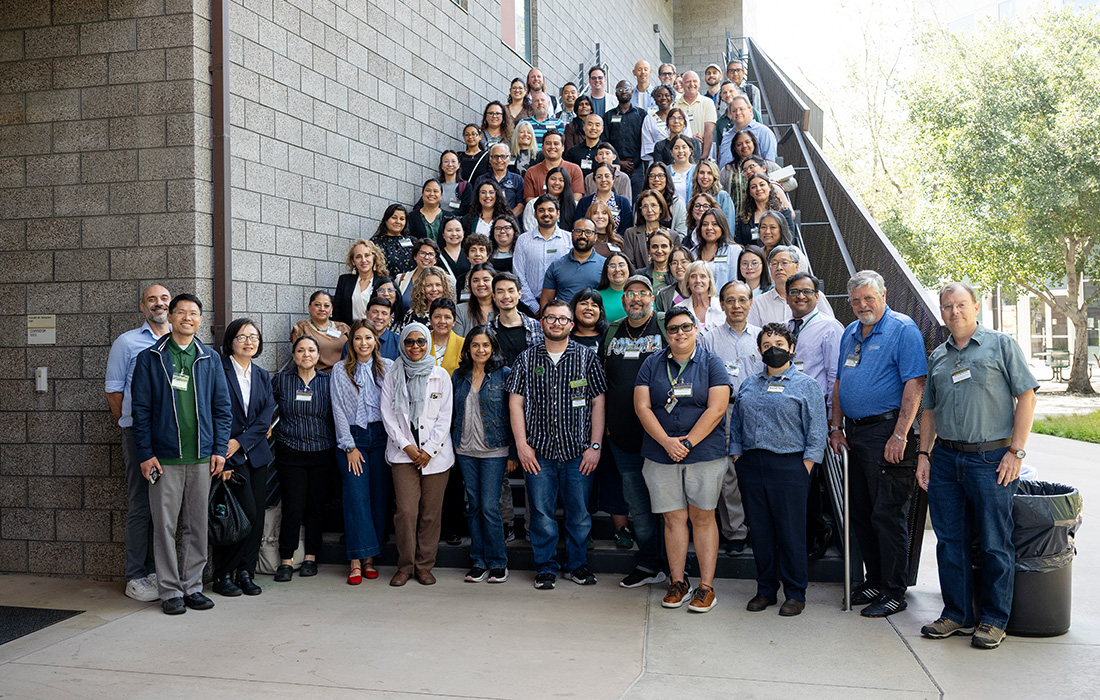
Cal Poly Pomona hosted its 2026 Office of Academic Innovation Summer Conference, themed "Human at the Core: Navigating AI in Higher Education," to address the integration of artificial intelligence across university operations and curricula. The two-day event brought together educators and industry leaders to explore how AI tools can enhance student success and productivity while maintaining a focus on human creativity and ethics. This gathering highlights the growing institutional shift toward formalizing AI's role in academic research, administrative workflows, and workforce preparation.
The conference, held on June 3-4, 2026, featured two primary tracks—AI in the Classroom and AI Outside the Classroom—designed to provide practical applications for emerging technologies. Keynote speakers included Frank Wuerthwein of the San Diego Supercomputer Center at UC San Diego, Andrew Currah from Apple Inc., and Tiffany Zhu of Old Dominion University, who collectively addressed the intersection of research computing, educational innovation, and technology ethics. These experts urged attendees to balance the transformative potential of AI with the responsibilities of academic integrity and environmental sustainability, specifically noting the need to minimize water use and the environmental impact of AI iterations.
Faculty members shared specific use cases demonstrating how AI is already being utilized to augment professional capabilities and streamline academic tasks. Monica Palomo, a civil engineering professor, detailed using tools like ChatGPT and Codex for website creation, data organization, and extracting information from videos to free up time for deeper analysis and student learning. Similarly, Belal Hasan from the nutrition and food science department highlighted AI’s ability to accelerate flavor compound modeling and process optimization, positioning the technology as a partner that allows students to manage higher levels of professional complexity rather than a replacement for human expertise.
Beyond individual classroom applications, the event underscored a broader strategic commitment by Cal Poly Pomona and the California State University ecosystem to prepare students for an AI-enabled workforce. David Peña, a lead career coach, emphasized that these technologies allow students to move from consuming knowledge to creating solutions and discoveries that may shape the future. The university is currently advancing several initiatives in AI, cybersecurity, and geographic information systems (GIS) to foster collaboration between faculty and industry partners, ensuring that innovation remains aligned with institutional values and evolving student needs.
Summary generated by RabbitReport AI from public reporting. The full article and original reporting belong to Cal Poly Pomona.