Researchers Find a Way to Stop 3D Printed Parts From Overheating Mid-Print
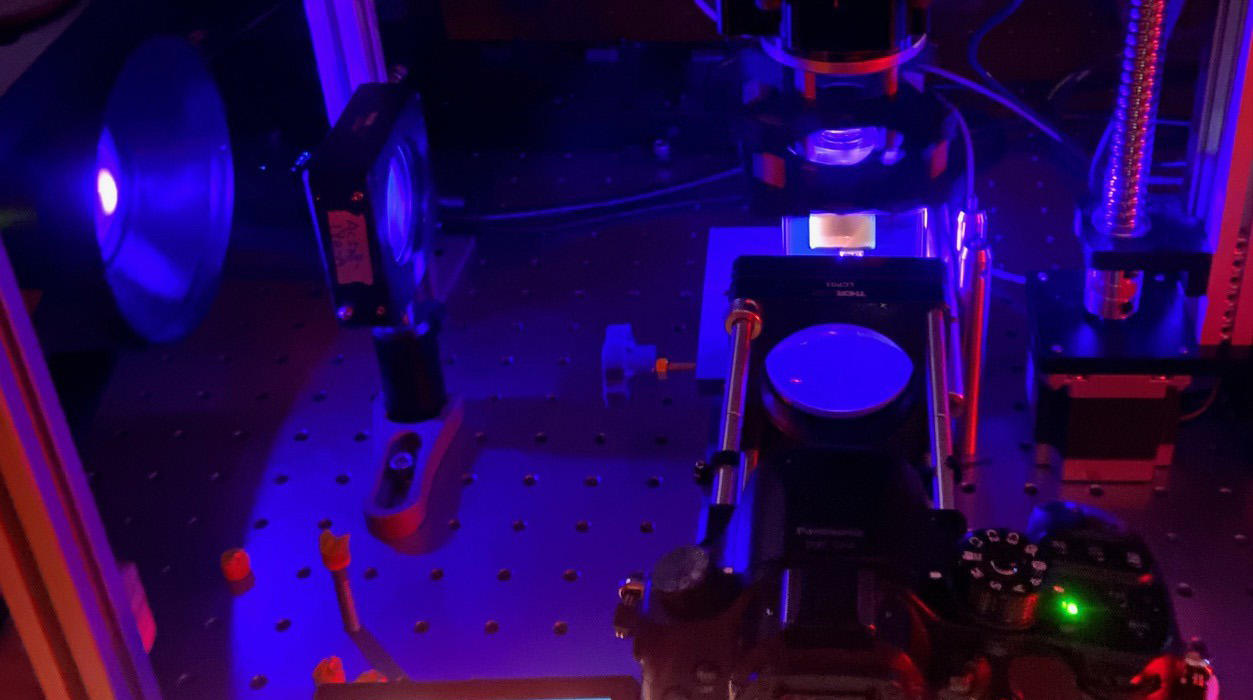
Researchers from the University of Nottingham and UC Berkeley have developed a chemical solution to manage heat buildup in Computed Axial Lithography (CAL), a form of volumetric 3D printing. By integrating Reversible Addition-Fragmentation Chain Transfer (RAFT) agents into the resin, the team successfully regulated the exothermic reactions that typically cause warping and limit the scale of printed parts. This advancement addresses a critical bottleneck in high-speed additive manufacturing, potentially enabling the production of larger, more complex, and multi-functional components.
Computed Axial Lithography (CAL) represents a significant shift in additive manufacturing by forming entire objects simultaneously through patterned light rather than layer-by-layer deposition. However, the rapid chemical hardening of resin generates substantial heat that can deform parts and restrict the technology's scalability. To address this, a research team led by Eduards Krumins at the University of Nottingham, in collaboration with UC Berkeley, introduced RAFT agents as internal regulators. These chemical additives slow the polymerization process from within, preventing the sudden heat spikes that previously compromised structural integrity and print precision.
The experimental results demonstrated a dramatic reduction in thermal output during the printing process. By adding a small quantity of RAFT agents to standard resins, the researchers reduced the temperature rise from 59°C to 27°C, while a slightly higher concentration brought the increase down to just 3.5°C. This thermal stability proved effective across various materials, including high-viscosity resins and water-based gels used in medical bioprinting. Such precise temperature control allowed the team to print multiple objects in a single container with gaps as small as 150 micrometers without fusion, as well as complex assemblies like rotating hinges and nested geometries.
Beyond thermal management, the use of RAFT agents leaves the finished parts chemically receptive to further modifications, such as applying anti-bacterial coatings. This chemical-level solution offers a distinct alternative to mechanical cooling methods, such as the fluorinated oil system used in Northwestern University’s HARP technology. By solving the heat problem at the molecular level, the Nottingham and Berkeley approach provides a pathway for volumetric 3D printing to move beyond small-scale prototypes toward larger, more practical industrial applications in sectors ranging from healthcare to aerospace.
Summary generated by RabbitReport AI from public reporting. The full article and original reporting belong to 3D Printing Industry.