Skyroot’s Vikram-1 Reaches Orbit on India’s First Fully 3D Printed Rocket Engine
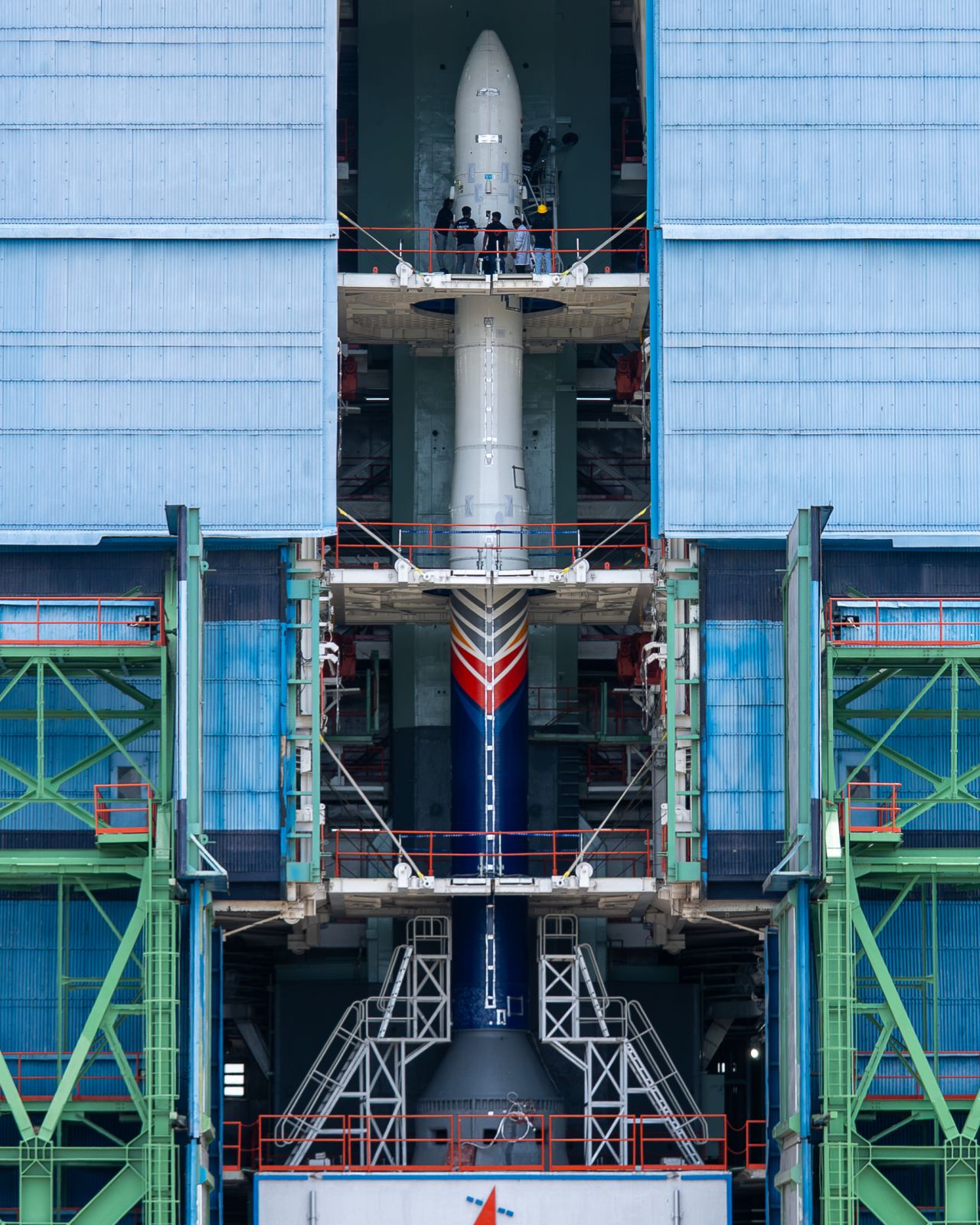
Indian aerospace startup Skyroot Aerospace has successfully reached orbit with its Vikram-1 rocket, marking the first time a private Indian company has achieved orbital flight. The mission represents a significant milestone for the additive manufacturing sector, as the rocket’s fourth-stage Orbital Adjustment Module is powered by the Raman-1, India’s first fully 3D-printed orbital engine. This achievement underscores the growing role of 3D printing in streamlining rocket production and enabling the economics of on-demand, dedicated small-satellite launch services.
The Vikram-1 mission, named Aagman, launched from the Satish Dhawan Space Center and reached a 450km low Earth orbit (LEO) within a 16-minute flight to deploy six payloads. Central to the mission’s success were the Raman-1 engines, which are capable of restarting in a vacuum to place payloads into precise, separate orbits. By utilizing additive manufacturing for these engines, Skyroot has reduced production timelines from several months to just a few days per unit. This efficiency allows the company’s Hyderabad factory to target a production cadence of one complete rocket per month, a feat that would be nearly impossible to sustain using traditional casting and machining methods.
Founded in 2018 by former ISRO engineers Pawan Kumar Chandana and Naga Bharath Daka, Skyroot Aerospace has quickly become India’s first space-tech unicorn with a valuation of $1.1 billion. The Vikram-1 vehicle is designed to carry up to 350kg to LEO or 260kg to Sun-synchronous orbit, offering the 'cab to orbit' flexibility required for the small-satellite market. The company’s strategy integrates 3D-printed engines with carbon-composite airframes and modular avionics to optimize the economics of dedicated launches. Following this success, Skyroot plans a second test flight before commencing commercial operations next year, with the more powerful Vikram-II rocket slated for 2027.
Skyroot’s reliance on additive manufacturing reflects a broader industry trend where propulsion strategy is increasingly tied to 3D printing for competitive advantage. The company joins global players like Rocket Lab, which has produced over 1,000 3D-printed Rutherford engines, and domestic rival AgniKul, which developed the single-piece 3D-printed Agnilet engine. By moving away from traditional supply chains involving forgings and complex welding, these companies can iterate designs faster and maintain higher launch cadences. For the additive manufacturing sector, this successful orbital flight serves as a critical validation of 3D printing’s ability to meet the extreme performance requirements of space exploration while drastically lowering costs and lead times.
Summary generated by RabbitReport AI from public reporting. The full article and original reporting belong to 3D Printing Industry.