SEARCULAR Sets Out Circular Fishing Gear Roadmap
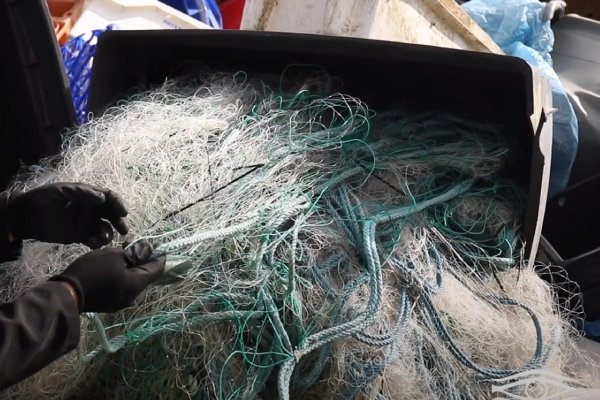
The SEARCULAR consortium has released a comprehensive roadmap aimed at reducing marine litter by transitioning the fishing industry toward a circular economy for gear. With approximately 26,000 tonnes of end-of-life fishing gear reaching European ports annually, the initiative focuses on sustainable design and improved waste management infrastructure to mitigate plastic pollution. This development is significant for the waste management sector as it introduces standardized recycling protocols and smart port facilities designed to divert specialized marine waste from landfills.
Over the past three years, the SEARCULAR consortium—comprising 13 industry specialists and research organizations across Europe—has collaborated with fishers and port authorities to address the environmental impact of fishing gear. The project identified that roughly 26,000 tonnes of end-of-life (EOL) gear waste are generated in European ports each year, contributing significantly to marine plastic and microplastic pollution. To combat this, SEARCULAR developed four primary solutions: dolly ropes made from recycled purse nets, the first biodegradable seine ropes, and biodegradable fish aggregating devices (BIOFADs) constructed from natural materials, alongside a new blueprint for smart waste management.
A central component of the roadmap is the 'Blue Point' model, an innovative smart waste management system designed specifically for port environments. This model provides a dedicated pathway for recyclable materials to enter the circular economy, helping ports meet legal requirements for handling fisheries-specific waste and preventing gear from entering landfills. To support this infrastructure, SEARCULAR proposes the implementation of a standardized Gear Tag and a Gear Lifecycle Factsheet (GLF). Functioning as a Digital Product Passport, these tools are intended to improve gear traceability and streamline the management of materials at the end of their functional life.
The roadmap aligns with the European Green Deal and the Zero Pollution Action Plan by recommending policy shifts toward preventing marine litter at the source. Key recommendations include setting minimum thresholds for recycled content in new gear and certifying circular gear designs to ensure they meet sustainability standards. Oihane C. Basurko, the SEARCULAR Coordinator from AZTI, emphasized that the project has proven that sustainable and recyclable alternatives are viable in real-world conditions. The success of this transition now depends on broader adoption by policymakers and industry leaders to strengthen port infrastructure and standardize recycling pathways across the maritime sector.
Summary generated by RabbitReport AI from public reporting. The full article and original reporting belong to The Fishing Daily.