ESA Publishes Heatwave Guidance for Waste Sector
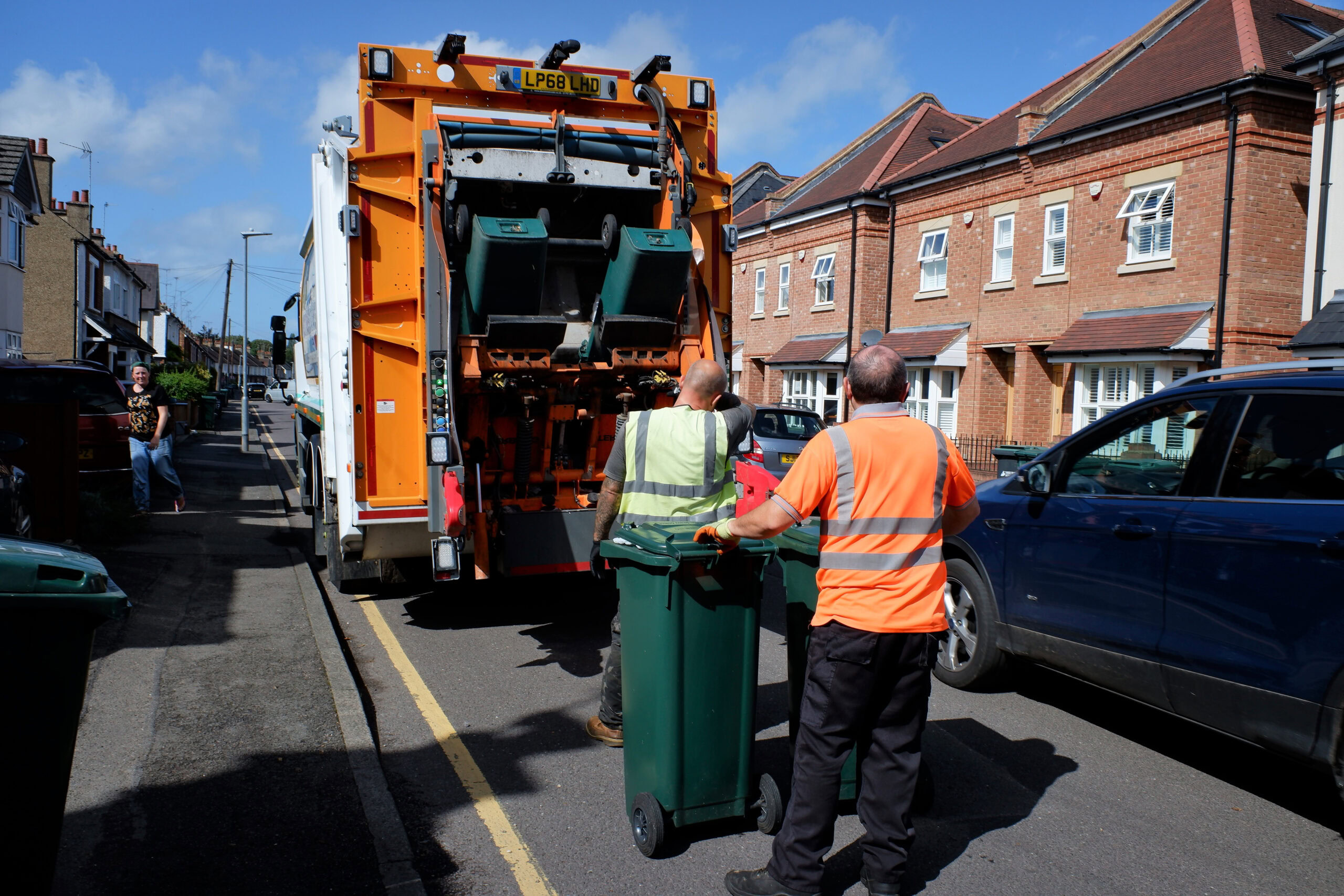
The Environmental Services Association (ESA) has released new guidance designed to help waste and recycling operators protect frontline workers during periods of extreme heat. As the UK experiences more frequent and intense temperatures, including the hottest June on record, the sector faces growing challenges in managing employee health and safety. This framework provides a practical approach for employers to assess and mitigate risks such as heat stress, dehydration, and increased fire hazards at waste processing sites.
The Environmental Services Association (ESA) has introduced a comprehensive guidance document to assist waste and recycling organizations in safeguarding their frontline staff during heatwaves. According to ESA Executive Director Jacob Hayler, waste operatives perform physically demanding roles in all weather conditions to ensure national waste does not accumulate. While UK workers traditionally face cold or wet conditions, the increasing prevalence of summer heatwaves has necessitated a structured approach to managing heat-related risks, especially since the UK lacks a legal maximum working temperature.
Central to the new guidance is a staged heat-index framework that provides supervisors with specific trigger points for introducing additional control measures as temperatures rise. The document encourages employers to brief teams on how heat stress, fatigue, and dehydration can negatively impact concentration, situational awareness, and driving performance. It is intended to supplement existing health and safety management systems, risk assessments, and local emergency plans rather than replace them, offering a specialized layer of protection for the unique demands of the waste sector.
Beyond worker health, the guidance addresses the heightened fire risks associated with hotter weather at permitted waste sites where materials are stored or processed. It recommends that operators review fire prevention measures and take proactive steps to minimize ignition risks during extreme heat. The ESA document also includes tools for carrying out specific hot weather risk assessments covering thermal stress, UV and solar radiation exposure, and air quality considerations for employees with respiratory conditions. A practical preparation checklist is provided to help organizations assign responsibilities and prepare for future temperature spikes.
Summary generated by RabbitReport AI from public reporting. The full article and original reporting belong to letsrecycle.com.