Challenges to AI innovation in telecom: Insights from TM Forum DTW Ignite
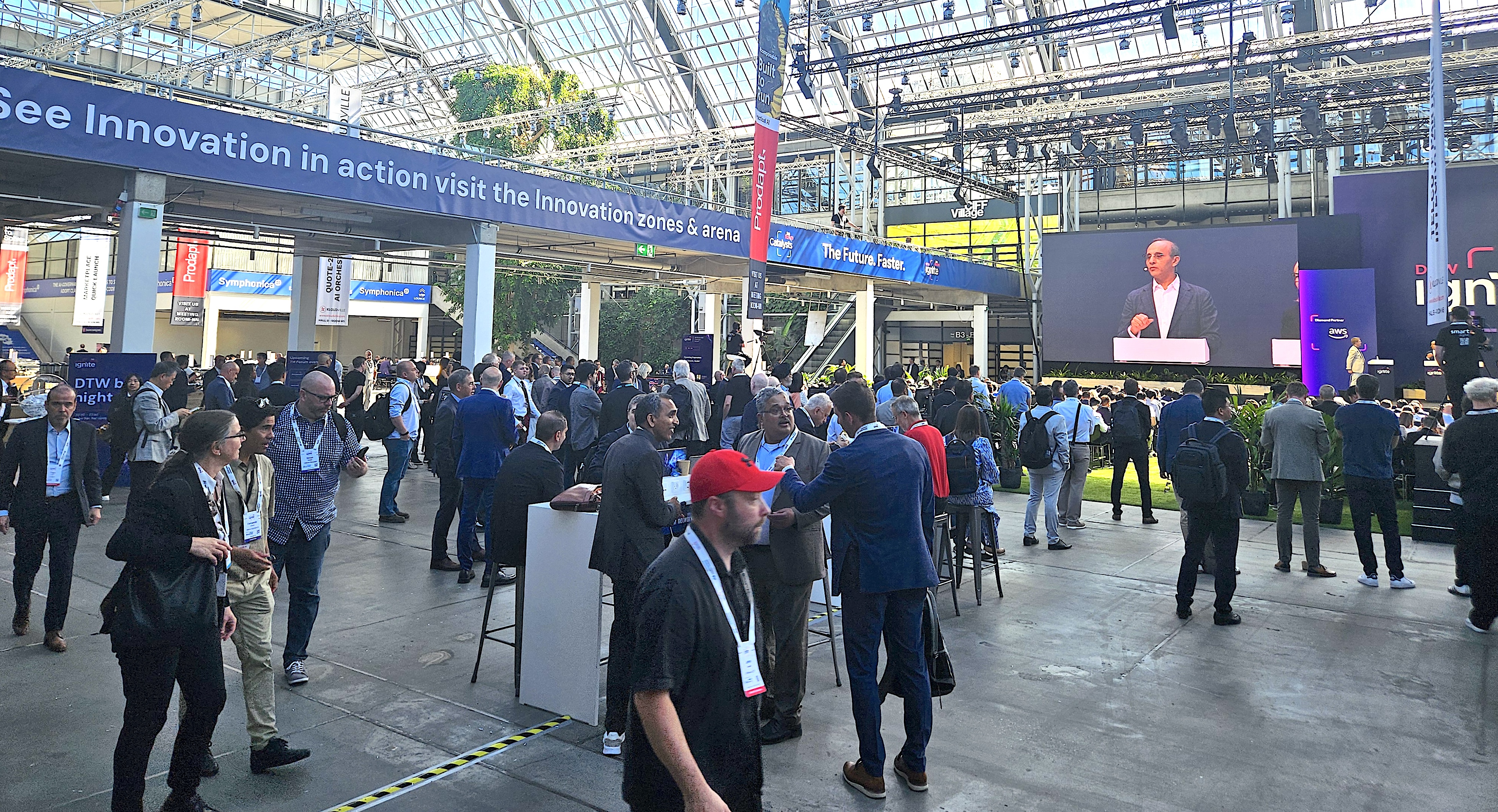
The TM Forum DTW Ignite conference in Copenhagen highlighted a shift in the telecommunications sector from the initial hype of agentic AI toward the practical realities of deployment. While autonomous AI systems promise to transform network operations and customer experiences, operators remain cautious due to significant operational risks and the persistence of technical debt. Addressing these barriers is essential for service providers aiming to maintain a competitive edge through lights-out automation and AI-ready data architectures.
Despite the industry's focus on agentic AI at the previous year's conference, widespread adoption remains elusive as telecommunications operators grapple with the risks of deploying autonomous agents in mission-critical environments. Key obstacles include the need for AI-ready data—information that is cleaned and curated for large language models—and the ongoing struggle with human-in-the-loop requirements. While vendors are promoting cloud-native architectures for Operational Support Systems (OSS) and Business Support Systems (BSS), many telcos are hindered by significant technical debt that complicates the transition to fully autonomous data centers and networks.
Innovative vendors are responding to these challenges with platforms designed to bridge the gap between legacy infrastructure and autonomous operations. RADCOM Ltd. is addressing data silos with a cloud-native agentic AI platform, while Kaya Global Inc. offers an orchestration tool that uses LLMs for design but runs workflows deterministically to prevent hallucinations in production. Additionally, companies like Codaxy and NumoData are introducing digital twin technology to provide real-time visibility and control. Codaxy’s CXOrchestrator acts as a customizable overlay for brownfield environments, whereas NumoData utilizes knowledge graphs to build trust in AI-based automation.
The conference also showcased the rise of super apps and next-generation billing systems tailored for the AI era. Circles Australia provides a full-stack platform that integrates customer journeys with monetization features like cashback, while Alibaba’s Whale Cloud is bringing successful Chinese super app models to the global market. On the financial side, Cloudnet.ai is leveraging natural language intent to simplify service configuration, and Aria Systems is tackling the complex pricing models required for AI tokens and media subscriptions. These advancements, supported by cloud-native providers like triPica, allow established telcos to compete with agile mobile virtual network operators without increasing their technical debt.
Summary generated by RabbitReport AI from public reporting. The full article and original reporting belong to SiliconANGLE.