Using synthetic biology and AI to address global antimicrobial resistance threat
MIT has launched a $3 million, three-year research project to combat the global threat of antimicrobial resistance (AMR) using a combination of synthetic biology and generative artificial intelligence. Sponsored by Jameel Research, the initiative focuses on developing programmable antibacterials that can target specific pathogens with higher precision than traditional antibiotics. This development is significant for the synthetic biology sector as it highlights the transition toward AI-designed, microbe-delivered therapeutics to address the critical shortage of new antibacterial tools.
James J. Collins, the Termeer Professor of Medical Engineering and Science at MIT and faculty co-lead of the Jameel Clinic, is leading the multidisciplinary effort to create a new generation of targeted antibacterials. The project, hosted within MIT’s Department of Biological Engineering and the Institute of Medical Engineering and Science, utilizes generative AI to design small proteins that disable specific bacterial functions. These designer molecules are intended to be produced and delivered by engineered microbes, offering a more adaptable and precise method of treatment than conventional pharmaceutical approaches.
The research addresses the escalating crisis of AMR, which is driven by the global overuse and misuse of antibiotics and a subsequent slowdown in the development of new antibacterial treatments. The impact of drug-resistant infections is particularly severe in low- and middle-income countries, where limited diagnostic tools often lead to treatment delays. By applying synthetic biology, the MIT team aims to provide a pathway for innovative, translatable research that can be scaled to meet these urgent global health challenges.
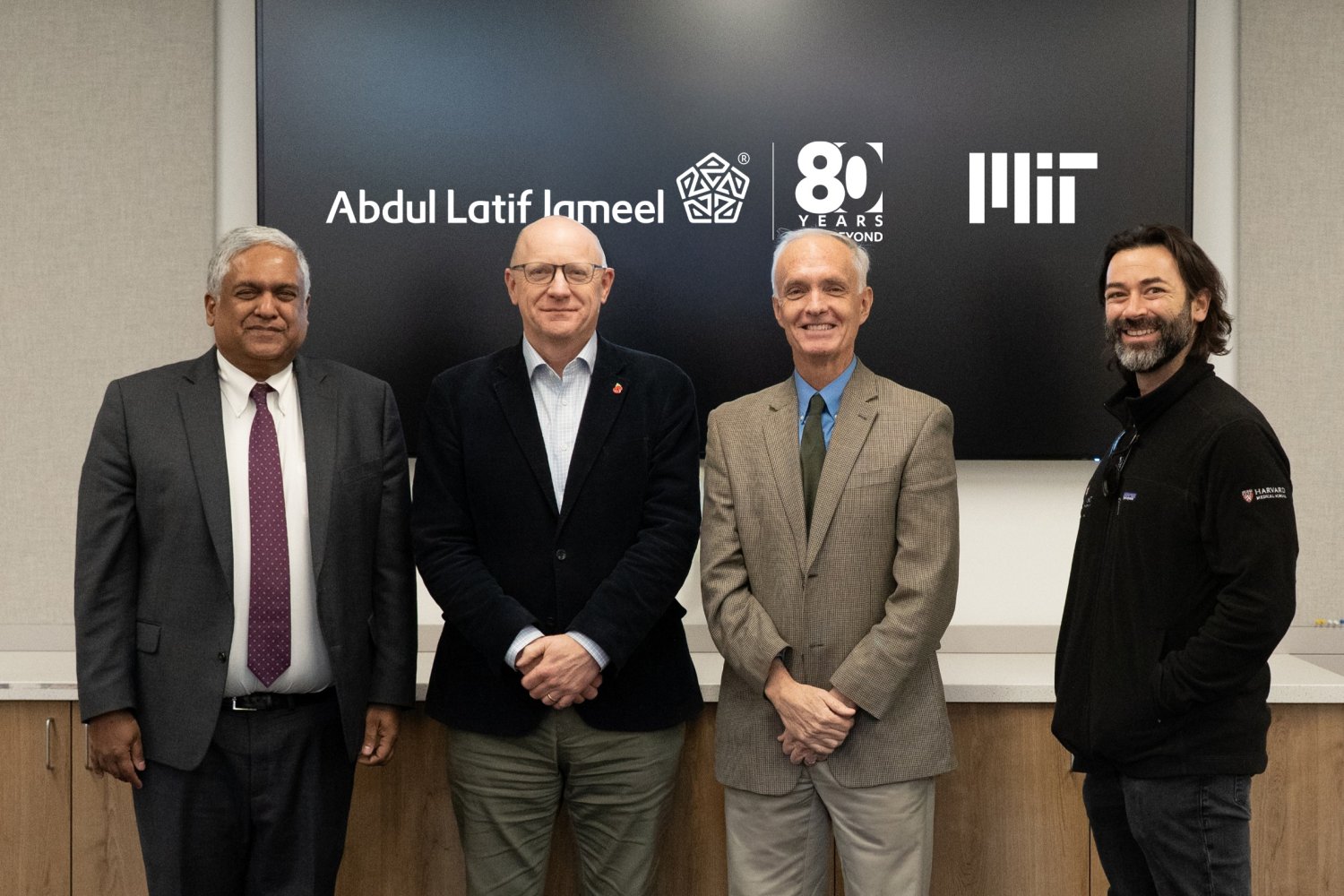
The collaboration involves key figures including MIT Provost Anantha Chandrakasan, Professor Alex Shalek, and Bruce Currie from JIMCO Life Sciences. Mohammed Abdul Latif Jameel, chair of Abdul Latif Jameel, stated that the project builds on a long-standing relationship with MIT to advance research that contributes to a more resilient future. Professor Collins emphasized that the project reflects a commitment to bold scientific ideas that have a clear pathway to real-world impact, specifically targeting the validation of programmable antibacterials against key pathogens.
Summary generated by RabbitReport AI from public reporting. The full article and original reporting belong to MIT News.