South African Scientists Decode Cancer’s Glycosylation Survival Strategy Using Synthetic Biology
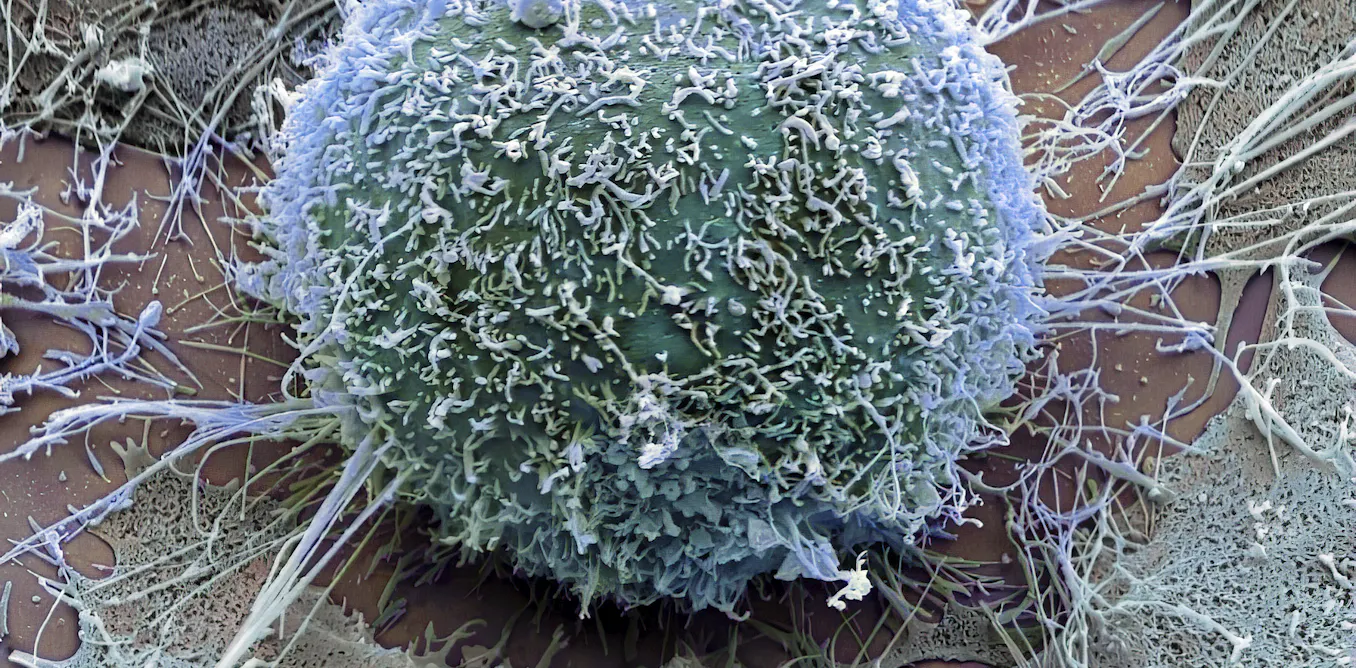
Researchers at the University of Cape Town have developed a novel synthetic biology approach to model how the Mucin-1 (MUC1) protein is transformed by cancer cells to evade the immune system. By recreating the molecular assembly line of sugar-protein combinations in a laboratory setting, the team identified specific atomic-level changes that turn a protective cellular shield into a tumor-promoting cloak. This breakthrough is significant for the synthetic biology sector as it provides a precise roadmap for engineering new cancer vaccines, biomarkers, and targeted therapeutics.
Led by the Scientific Computing Research Unit at the University of Cape Town, scientists have successfully decoded the molecular mechanisms behind the alteration of Mucin-1 (MUC1), a protein typically serving as a defensive barrier in organs like the breast and colon. In healthy tissue, MUC1 is characterized by long, complex carbohydrate chains that communicate with the immune system; however, in malignant cells, these chains are truncated into aberrant structures such as Tn and sialyl-Tn (sTn) antigens. The research, published in Nature Communications, utilized a test-tube synthetic biology approach to simulate the breakdown of the cellular assembly line, revealing that cancer-causing enzymes relocate from the Golgi apparatus to the endoplasmic reticulum, where they operate without standard cellular checks.
The team employed proprietary computational chemistry algorithms and quantum chemistry simulations to map the exact sugar coating positions on the MUC1 protein. This high-resolution analysis identified the T13 site as a primary location where cancer enzymes prefer to attach sugars, driving the massive increase in sTn antigens observed in malignant tumors. By simulating the behavior of atoms and molecules at a fundamental level, the researchers were able to pinpoint how these specific glycosylation patterns create an anti-inflammatory microenvironment that actively promotes tumor growth and shields cancer cells from immune detection.
Beyond the initial molecular mapping, the research has expanded into systems biology to connect these sugar-coating changes to broader immune cell behaviors. As detailed in the journal Glycobiology, the team led by Kevin Naidoo is building computational models to observe how cancerous MUC1 interacts with macrophages to trigger signals for tumor spread. This work is currently being applied to compare common breast cancers with more aggressive, untreatable strains. For the synthetic biology and pharmaceutical industries, these findings offer a foundation for precision medicine, enabling the design of synthetic drugs and vaccines that can strip away a tumor's sugar shield and restore the body's natural immune response.
Summary generated by RabbitReport AI from public reporting. The full article and original reporting belong to The Conversation.