Third Center for RNA Molecular Biology Symposium Highlights Advances in RNA Research
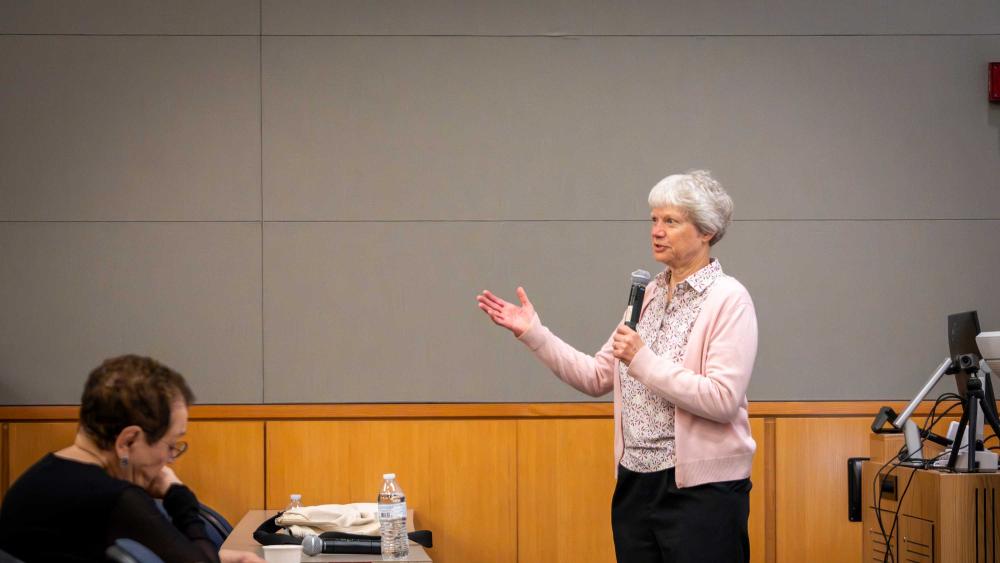
The Center for RNA Molecular Biology at Penn State recently hosted its third annual symposium, bringing together over 60 researchers to discuss advancements in RNA science and its applications in therapeutics. The event showcased interdisciplinary collaboration across biochemistry, chemistry, and chemical engineering, emphasizing the role of RNA in gene regulation and vaccine technology. These developments are significant for the synthetic biology sector as they provide the fundamental insights and technical methods required to engineer complex RNA-based systems.
The Center for RNA Molecular Biology, co-led by directors Paul Babitzke and Philip Bevilacqua, originated from a grassroots 'RNA club' established in 1998 before being formally integrated into the Huck Institutes of the Life Sciences in 2009. The recent symposium served as a platform for faculty, postdocs, and students from the Eberly College of Science, the College of Engineering, and the College of Medicine to share research. Supported by the RNA Society’s RNA Salon initiative, the gathering included participants from regional and national institutions such as the National Institutes of Health, the University of Maryland, and Ohio State University.
Research presented at the symposium spanned fundamental molecular biology to applied synthetic biology, covering the regulation of gene expression via RNA structure and binding proteins. Key technical highlights included the development of methods for probing RNA structure within living cells on a genome-wide scale, a collaborative effort involving Sally Assmann and Philip Bevilacqua. Additionally, the symposium featured the work of Joseph Cotruvo’s group, which leveraged the center's resources to develop specialized RNA-based sensors for the detection of rare earth elements, demonstrating the practical utility of RNA engineering in environmental and material sciences.
The symposium underscored the increasing importance of RNA technologies in the broader synthetic biology market, particularly regarding disease treatment and vaccine development. By facilitating the exchange of specialized techniques across diverse labs, the center aims to generate the fundamental knowledge necessary for applied researchers to build next-generation therapeutics. Director Philip Bevilacqua noted that the center’s organic, bottom-up growth has allowed it to contribute to emerging trends in the field rather than merely following them, positioning the institution as a key contributor to the evolving landscape of RNA-based biological engineering.
Summary generated by RabbitReport AI from public reporting. The full article and original reporting belong to The Pennsylvania State University.