Synthetic Cells to Sell Synthetic Biology
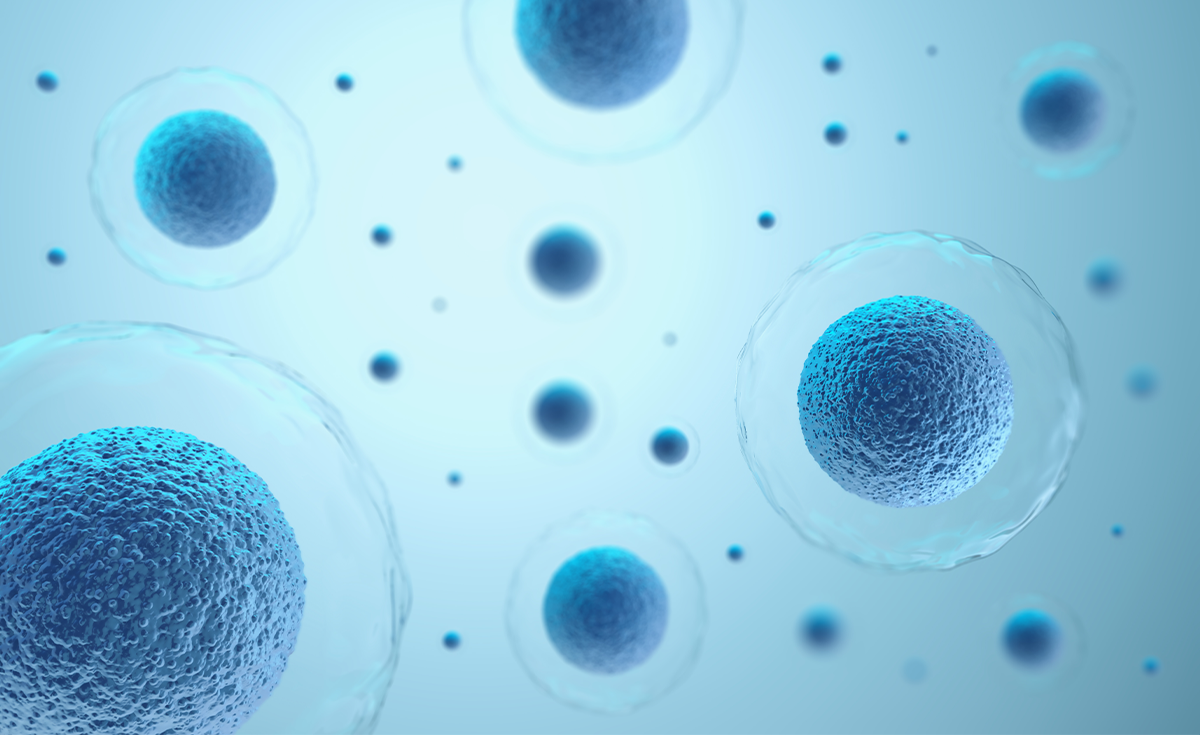
Researchers co-led by synthetic biologist Kate Adamala have announced the development of SpudCell, the first human-made cell constructed entirely from non-living components using a bottom-up approach. The synthetic system has reportedly demonstrated a complete cell cycle, including feeding, DNA replication, and reproduction for approximately five generations. This milestone is significant for the synthetic biology sector as it moves toward manufacturing life-like systems for industrial and medical applications.
The SpudCell project, co-led by Biotic co-founder Kate Adamala, represents a major shift in synthetic biology by building a cell-like system from the ground up using approximately 200 purified, non-living molecules. Unlike previous "minimal cell" research that simplified existing biological organisms, SpudCell was engineered to perform fundamental functions such as growth and replication without starting from a living template. According to an unpublished preprint, the system successfully replicated its DNA and reproduced for several generations, proving that complex biological behaviors can be replicated through organized chemistry.
While the achievement is a technical breakthrough, experts like Imperial College London biochemist Yuval Elani argue that SpudCell is not yet "alive" in the traditional sense. The synthetic cell is vastly less complex than natural cells, which contain billions of molecules, and it requires a constant, highly orchestrated input of nutrients to survive. Additionally, the system has only been shown to reproduce for five generations, which is far short of the threshold required for evolution, a primary characteristic of biological life.
For the synthetic biology market, the successful verification of SpudCell could revolutionize the production of high-value substances. Currently, the industry utilizes genetically engineered bacteria and fungi to manufacture products like insulin, vaccines, and food-making enzymes; however, the ability to manufacture synthetic cells from scratch could offer greater precision and efficiency. As the technology progresses toward creating more complex synthetic organisms, the sector will likely face new ethical challenges regarding the boundaries between engineered chemistry and biological life.
Summary generated by RabbitReport AI from public reporting. The full article and original reporting belong to Nautilus | Science.