From Space Missions to Remote Clinics: Technologies Bringing Care Closer
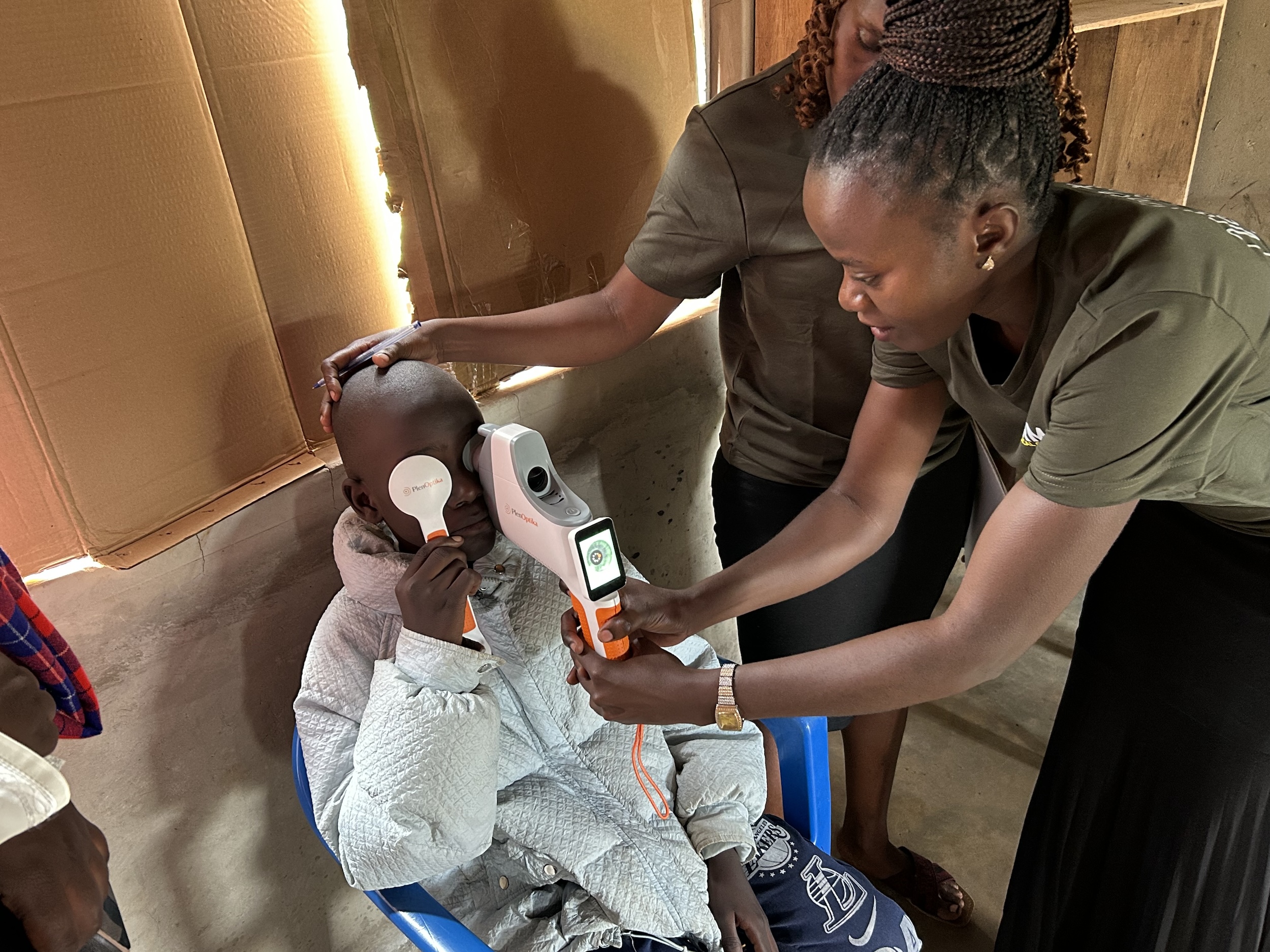
The Translational Research Institute for Space Health (TRISH) is fostering the development of autonomous medical technologies essential for long-duration space exploration. By supporting companies like PlenOptika, TRISH is advancing handheld, AI-powered diagnostic tools designed to operate in the resource-constrained environments of deep space. These innovations not only prepare for missions beyond low Earth orbit but also address critical healthcare gaps on Earth by providing clinical-grade care in remote and underserved regions.
The Translational Research Institute for Space Health (TRISH) is building a robust ecosystem of researchers and companies to address the medical challenges of long-duration space exploration. A key focus of this initiative is the development of tools that bring diagnostic and decision-making capabilities directly to the point of care, which is essential for missions where traditional healthcare infrastructure is absent. Through this program, TRISH supported PlenOptika in the development of its second-generation handheld autorefractor technologies, the QuickSee Free and QuickSee Free Pro. These AI-powered devices are designed to perform objective refraction and automated vision assessments outside of a standard clinical environment, providing a critical capability for maintaining astronaut health during deep-space transit.
The practical application of these technologies in the space sector was highlighted by the use of the QuickSee platform during the Polaris Dawn mission. This deployment demonstrated the utility of autonomous medical tools in environments where crew members must manage their own health without immediate access to Earth-based specialists. Dr. Shivang R. Dave, co-founder and CEO of PlenOptika, emphasized that TRISH’s involvement pushed the company to innovate medical devices capable of delivering clinical-quality results under the most demanding conditions. As space agencies prepare for missions beyond low Earth orbit, such portable diagnostic tools are becoming increasingly vital for operational medical decision-making and ensuring mission success.
Beyond its applications in orbit, the technology has achieved significant scale on Earth, illustrating the translational value of space-focused research. Since its launch in late 2023, PlenOptika’s handheld devices have been deployed in over 65 countries and have facilitated more than 10 million patient interactions. Partnerships with organizations like the Fred Hollows Foundation, Sightsavers, and Orbis International have brought these vision screening tools to remote regions in Nepal, Sierra Leone, Mongolia, Uganda, and India. By supporting early-stage innovations that address the needs of the one billion people globally who lack access to vision care, TRISH is creating a dual-use infrastructure that benefits both future space explorers and underserved populations on Earth.
Summary generated by RabbitReport AI from public reporting. The full article and original reporting belong to Baylor College of Medicine Blog Network -.