3 questions about Trump's 50-year mortgage plan
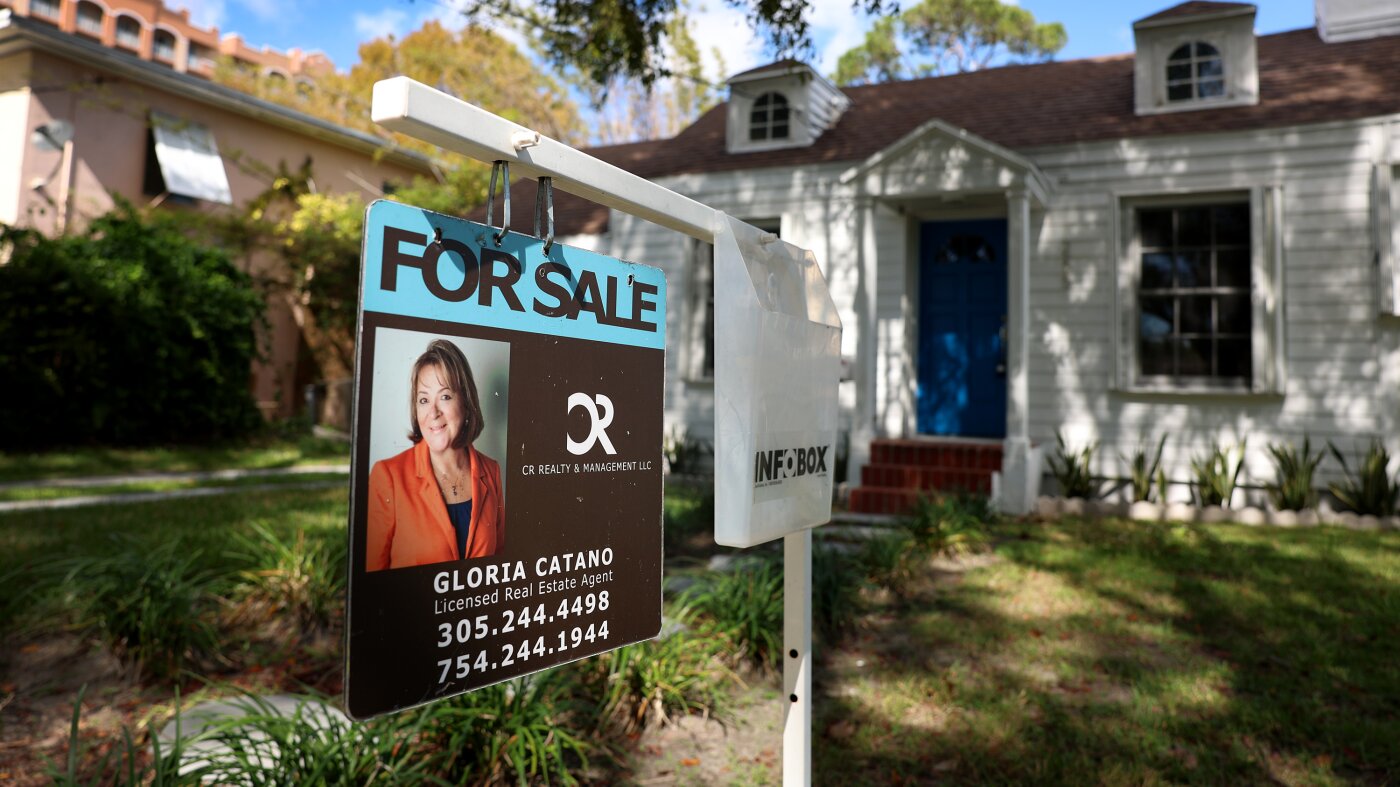
The Trump administration has introduced a proposal for a federally backed 50-year mortgage option intended to lower monthly payments for prospective homebuyers. This initiative aims to provide a foothold for younger buyers currently priced out by high interest rates and rising home values, though it faces significant criticism regarding long-term costs and equity accumulation. For the residential mortgage sector, the plan represents a potential shift in federal backing standards and a challenge to the traditional 30-year fixed-rate dominance.
Federal Housing Finance Agency Director Bill Pulte has described the proposed 50-year mortgage as a "complete game changer" for the housing market. The plan is designed to lower monthly payments by extending the amortization period, a move President Trump suggests will help buyers navigate a market where the median first-time homebuyer age has reached 40. However, the proposal has met with internal political backlash and skepticism from industry experts who argue it may simply prolong the time required for Americans to achieve outright homeownership.
Analysis from Realtor.com senior economist Joel Berner indicates that while a 50-year loan on a $400,000 home might save a borrower approximately $250 per month, the long-term financial burden is substantial. Over the life of the loan, a borrower would pay roughly $816,396 in interest compared to $438,156 for a 30-year term—an 86% increase. Chris Hendrix of NBKC Bank noted that such loans function similarly to interest-only products in the first decade, significantly delaying the wealth-building benefits of home equity.
Implementation of the plan faces significant legal obstacles, as National Economic Council director Kevin Hassett noted that the proposal may require new legislation. Under the Dodd-Frank Act, mortgages exceeding 30 years do not meet "qualified mortgage" criteria, making them ineligible for backing by Fannie Mae and Freddie Mac. Industry leaders like Bruce Marks of the Neighborhood Assistance Corporation of America remain skeptical of consumer adoption, pointing to the limited success of previous 40-year mortgage modifications and the historical preference for the 30-year term.
Summary generated by RabbitReport AI from public reporting. The full article and original reporting belong to NPR.