Shanghai Unveils Quantum Computing Hub as China Races for Tech Supremacy
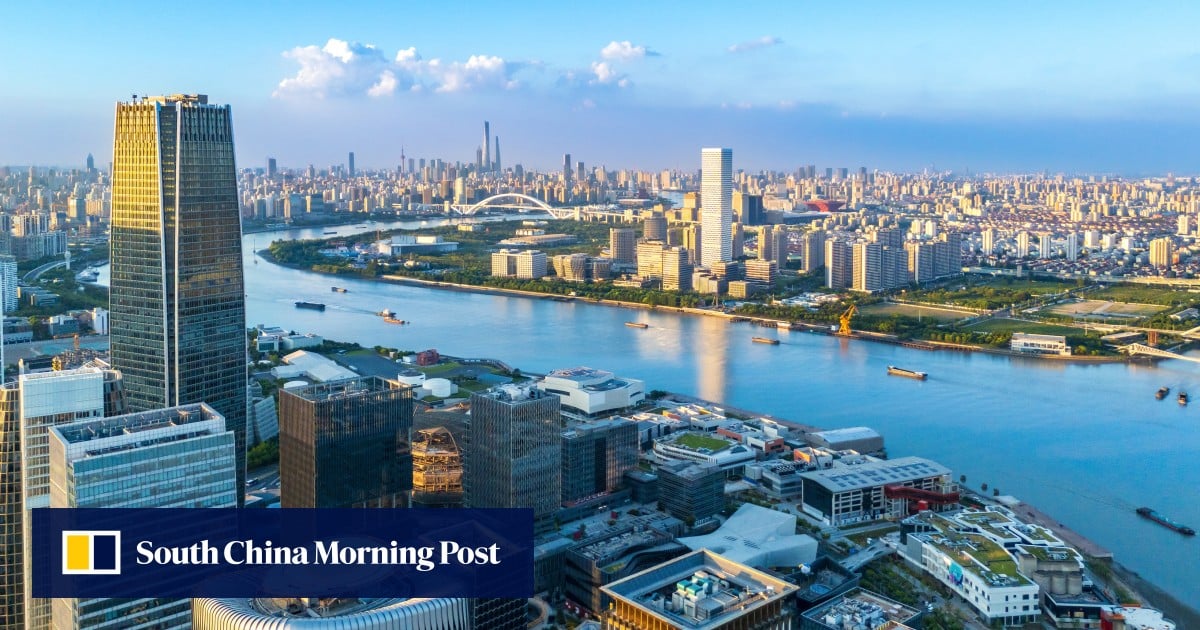
Shanghai has launched the Shanghai Quantum Computing Future Industry Incubation Zone in its Xuhui district to accelerate the transition of quantum research into a commercial industrial ecosystem. The initiative aims to foster a cluster of over 100 quantum firms within three years, supported by significant government subsidies and integration with the city's established artificial intelligence sector. This move aligns with China’s national strategy to prioritize quantum technology in its upcoming 15th five-year plan, intensifying competition among major Chinese tech hubs like Beijing, Hefei, and Shenzhen.
The newly established Shanghai Quantum Computing Future Industry Incubation Zone has launched with an initial cohort of 26 firms, aiming to bridge the gap between laboratory research and commercial application. Located in the Xuhui district, the hub provides a comprehensive support system including talent recruitment, resources, and substantial financial incentives. According to reports from the state-backed Jiefang Daily, the government has pledged up to 100 million yuan (US$14.73 million) to fund foundational research and technology platforms, while companies developing their first products can access up to 20 million yuan. Additionally, the zone offers computing resource subsidies designed to lower the costs of validation and technical iteration for startups.
A central component of Shanghai's strategy is the deep integration of quantum technologies with artificial intelligence. The Xuhui district already serves as a major AI center, housing prominent laboratories and companies such as StepFun AI, the Shanghai Artificial Intelligence Laboratory, and the Hong Kong-listed firm MiniMax. By leveraging this existing infrastructure, officials hope to accelerate real-world testing and the commercialization of quantum research results. Targeted downstream applications for these technologies include high-impact sectors such as biomedical research and financial technology, which are expected to benefit from the increased computational power provided by quantum-AI convergence.
This regional push is part of a broader national effort, as China has designated quantum technology a strategic priority in its 15th five-year plan covering 2026 to 2030. Shanghai is competing with other established Chinese quantum clusters, such as Hefei, which currently hosts over 90 quantum-related companies, and Beijing, where startups like QBoson are applying quantum computing to cancer research and drug development. Meanwhile, Shenzhen recently secured its first quantum unicorn, SpinQ, which raised 1 billion yuan in its latest funding round. Shanghai officials have set an ambitious target for the Xuhui district hub to reach a combined valuation in the hundreds of billions of yuan as it expands its roster of companies over the next three years.
Summary generated by RabbitReport AI from public reporting. The full article and original reporting belong to South China Morning Post.