Public liability exposure rises for hosts and venues alike
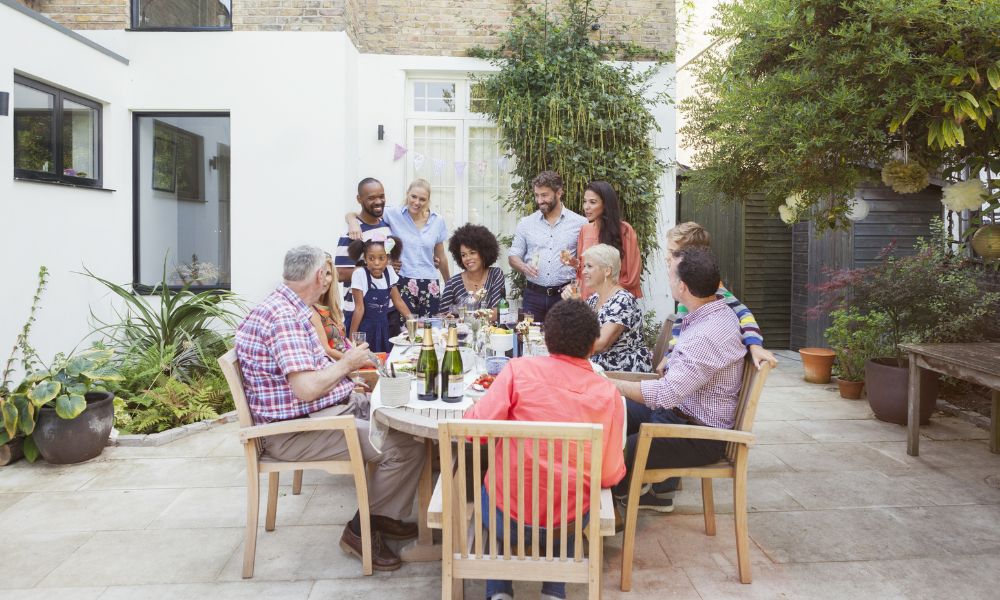
Homeowners and commercial venues face heightened public liability risks during major summer events, particularly when domestic gatherings transition into commercial activities. Charging for admission can reclassify a private event as a commercial one, potentially leaving hosts without coverage under standard home insurance policies. This shift creates a significant coverage gap that property insurance brokers must address to ensure clients remain protected against foreseeable risks and legal liabilities.
The transition from a domestic social gathering to a commercial event occurs the moment a host begins charging for admission, such as for a World Cup garden party. According to James Cooper of specialist insurer Everywhen, this change in character often sits outside the scope of standard home insurance, which is typically designed to cover personal or occupier's liability under the Occupiers' Liability Act 1957. Because policy features and exclusions vary significantly between insurers, ticketed events and the service of alcohol represent critical discussion points for brokers. Without specific commercial extensions, a host's public liability exposure may be effectively uninsured, leaving them vulnerable to legal action if a guest is injured.
While commercial hospitality venues are accustomed to managing large crowds and alcohol service, they are currently navigating an intensified version of these exposures. Gallagher hospitality specialists highlight that longer hours and larger crowds during major sporting events make routine hazards, such as liquid spillages, much harder to control. Private hosts face similar underlying pressures but often lack the professional staff, formal risk assessments, or incident protocols found in commercial settings. Furthermore, telematics data indicates a sharp rise in speeding incidents linked to alcohol and heightened emotion around match times, factors that insurers may consider when assessing whether an event was managed responsibly during the claims process.
Most household liability claims stem from minor, preventable hazards rather than catastrophic events. Common issues include slippery floors from spilled drinks, trailing cables from temporary audiovisual equipment like screens and speakers, and poorly lit garden areas that lead to trip-and-fall incidents. These risks are exacerbated in outdoor settings where guests move between indoor and outdoor spaces after dark, making hazards difficult to defend if they were foreseeable. Additionally, garden features such as pools, hot tubs, and low windows present concentrated injury risks, especially when children are present. Brokers are encouraged to review these specific categories with policyholders to identify exposures that may exceed the limits of standard liability cover or fall under policy exclusions.
Summary generated by RabbitReport AI from public reporting. The full article and original reporting belong to Insurance Business.